


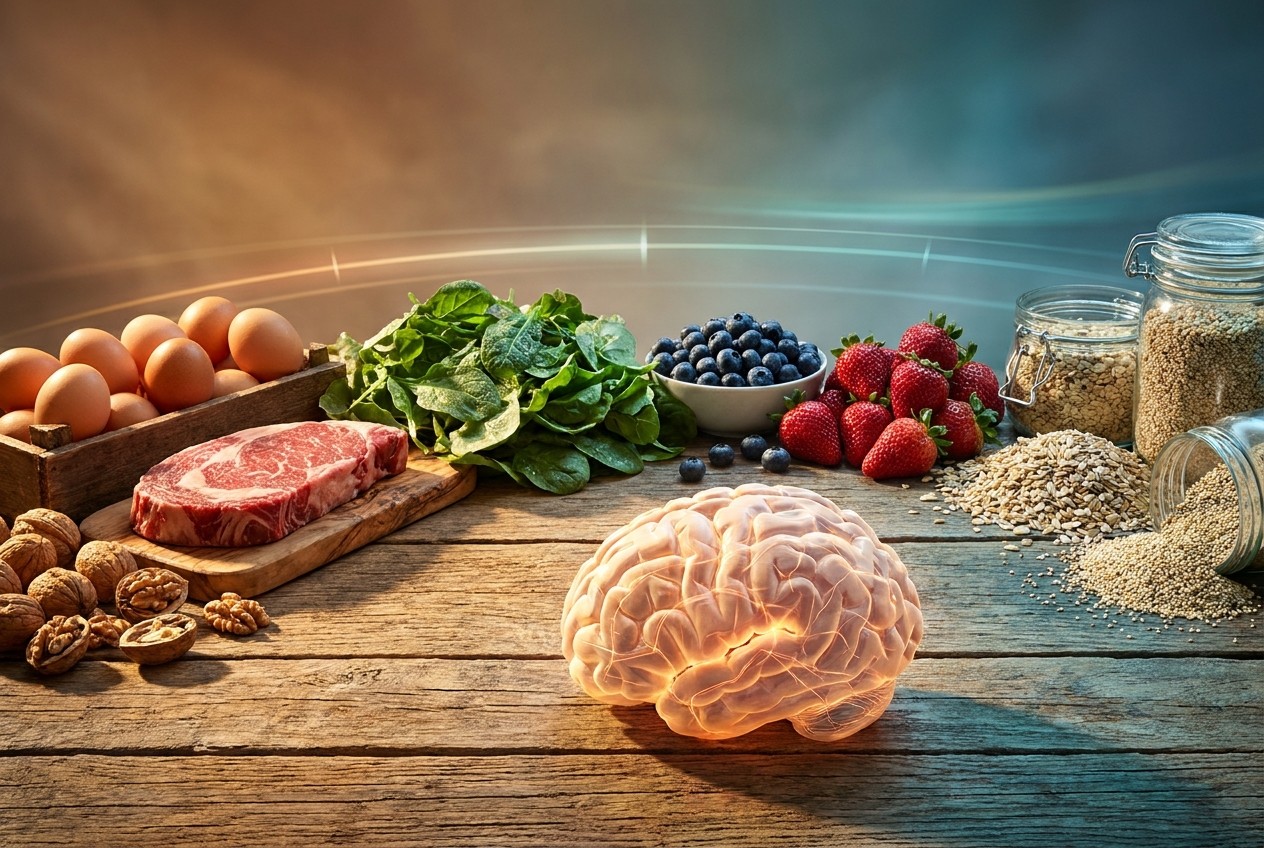
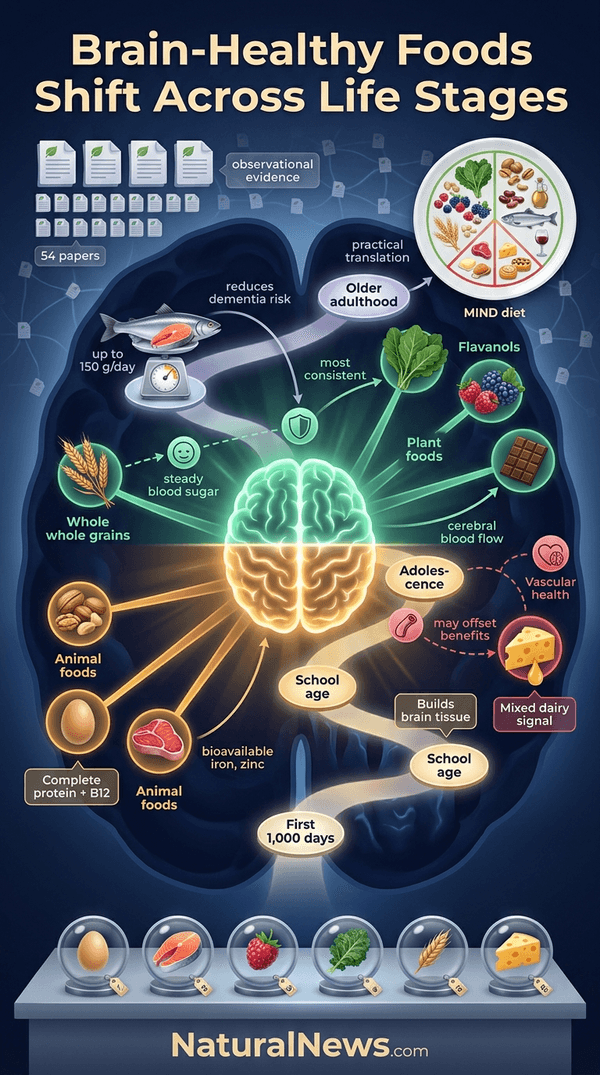
After screening the literature, the researchers reported 54 eligible papers, including eight broad conceptual papers and 46 food-specific empirical studies, according to the report. The review's most notable finding, according to the report, is that the foods with the strongest brain health associations shift at different life stages, with eggs, meat and nuts linked to better brain development during the first 1,000 days and early childhood [1].
The review's central conclusion, as described in the report, is that the foods with the strongest evidence for cognitive health do not remain constant across life. Instead, animal-sourced foods cluster near the strongest evidence during early development, while plant foods assume a larger protective role in adulthood and older adulthood, the report stated.
How the Review Was Conducted
Researchers conducted a structured literature search for studies examining whole-food consumption and cognitive outcomes across the lifespan, according to the review. Evidence was evaluated across five life stages: the first 1,000 days of life, school age, adolescence, adulthood and older adulthood.
The review intentionally focused on whole foods rather than isolated nutrient supplements, and it considered both animal-sourced and plant-based foods, noting that each contributes distinct biochemical substrates relevant to brain function, according to the report.
The design means the review aggregates observational and trial evidence rather than generating new clinical data, the report indicated. Its food-specific findings therefore reflect the state of the published literature at the time of the search, according to the report.
Early-Life Findings Point to Animal-Sourced Foods
During the first 1,000 days and early childhood, eggs, meat and nuts were linked to better brain development and fewer developmental delays, the review stated [1]. Egg supplementation in young infants increased levels of choline, betaine, methionine and DHA, and regular egg consumption was linked to lower odds of delays in communication, motor skills and social development, according to the report.
One exception cited in the report: school-age children given milk with high-energy biscuits showed improvements in cognition, literacy and numeracy.
Evidence for seafood and dairy in early life was more mixed. The review reported that seafood-related brain benefits across childhood and adolescence lack strong evidence, and that dairy supplementation showed modest benefits when children were receiving adequate overall nutrients, according to the report. Separate research on dairy has reached inconsistent conclusions across age groups [2].
Plant Foods Associate With Cognition in Adulthood
In adolescence and adulthood, plant foods moved to the foreground. Higher whole grain intake was linked to reduced depression and anxiety, the report stated.
Among older adults, leafy greens, nuts and berries showed the most consistent brain-protective associations. A large meta-analysis found that fish consumption up to 150 grams per day was associated with reduced risk of dementia and cognitive impairment, according to the review.
The mixed dairy signal is consistent with other published assessments, which note that high saturated fat content in some dairy products may offset benefits via vascular or inflammatory pathways [2]. The Alzheimer's Association has separately recommended that Americans adopt a brain-healthy diet that supports good blood flow to the brain [3].
Review Cites Nutrient Bioavailability and Antioxidants
The review points to nutrient bioavailability as a key reason animal-sourced foods matter most early in life. Unlike plant foods, animal foods contain every essential amino acid, and during fetal development a shortage of even one can interfere with protein synthesis and brain development, the researchers stated.
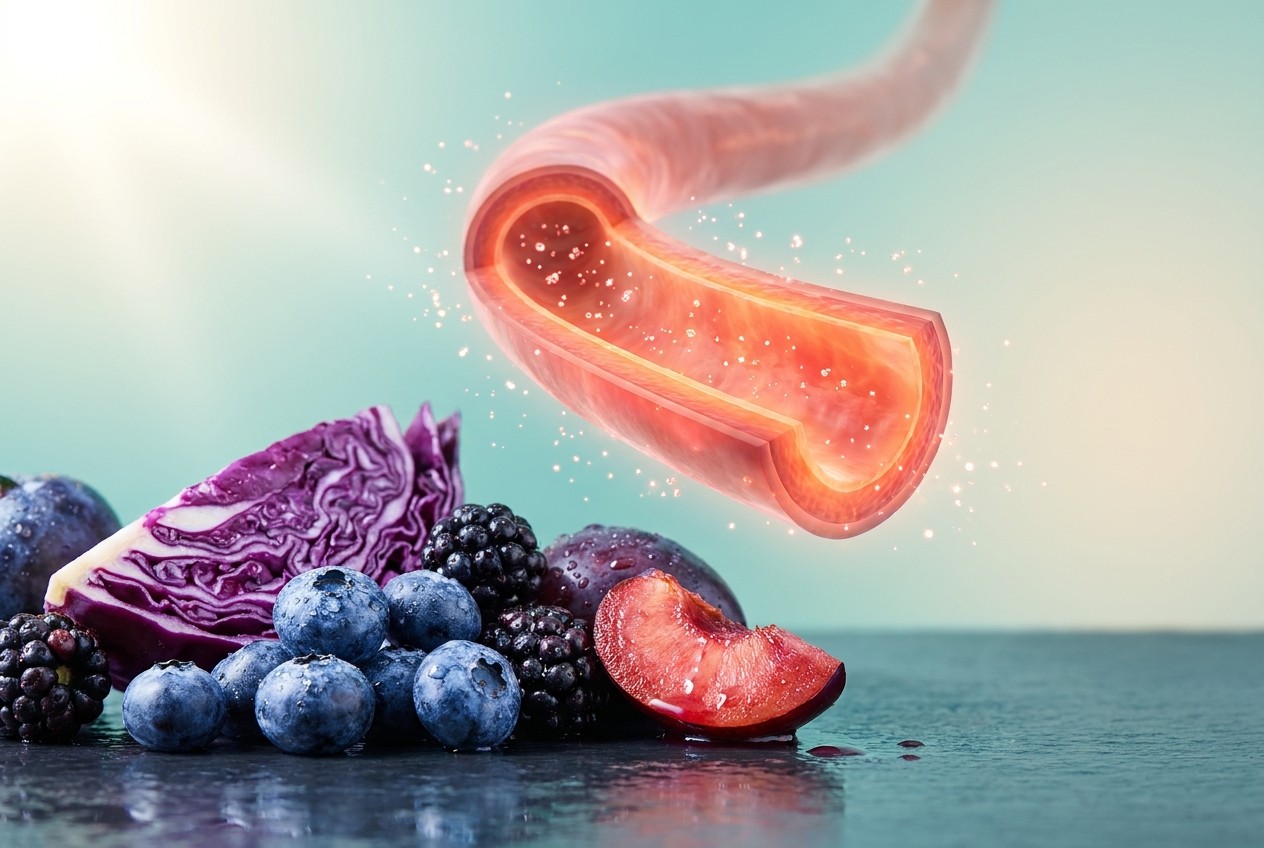
As the brain matures, flavanols, the bioactive compounds found in berries, dark chocolate and other plant foods, take on a more prominent protective role, the review stated. Contemporary nutrition texts likewise emphasize fruits and vegetables as sources of antioxidant nutrients such as vitamin C and vitamin E in prevention-oriented dietary patterns [4].
The MIND diet combines elements of the Mediterranean and DASH eating patterns and is built around foods associated with brain health, according to a separate report on the eating pattern [5].
Life-Stage Approach Suggested by Evidence
In the report's summary of practical patterns, eggs stand out in early life for their choline, DHA and lutein content.
In childhood and adolescence, the report noted that adequate protein from animal sources remains important while berries, walnuts and vegetables become increasingly relevant, and walnut consumption has been linked to improved reaction time and attention in school-aged children.
References
- The Best Foods For Brain Health Actually Change As You Age | mindbodygreen. https://www.mindbodygreen.com/articles/best-foods-for-brain-health-actually-change-as-you-age-how-the-review-was-conducted
- Brain Foods: A Narrative Review of Food Items and Their Impact on Cognition over the Life Course - PMC. https://pmc.ncbi.nlm.nih.gov/articles/PMC13258466/
- The vegetarian advantage live longer healthier and happier. Hall Donald R 1947
- Wardlaws contemporary nutrition. Smith Anne M 1955- author
- MIND Diet Tied to Higher Cognitive Scores in Study of 8,681 Older Adults in China. https://www.naturalnews.com/2026-11-03-mind-eating-pattern-linked-higher-cognitive-scores.html
- The best foods for brain health may change as you age. https://www.news-medical.net/news/20260603/The-best-foods-for-brain-health-may-change-as-you-age.aspx
Explainer Infographic










Please contact us for more information.


