


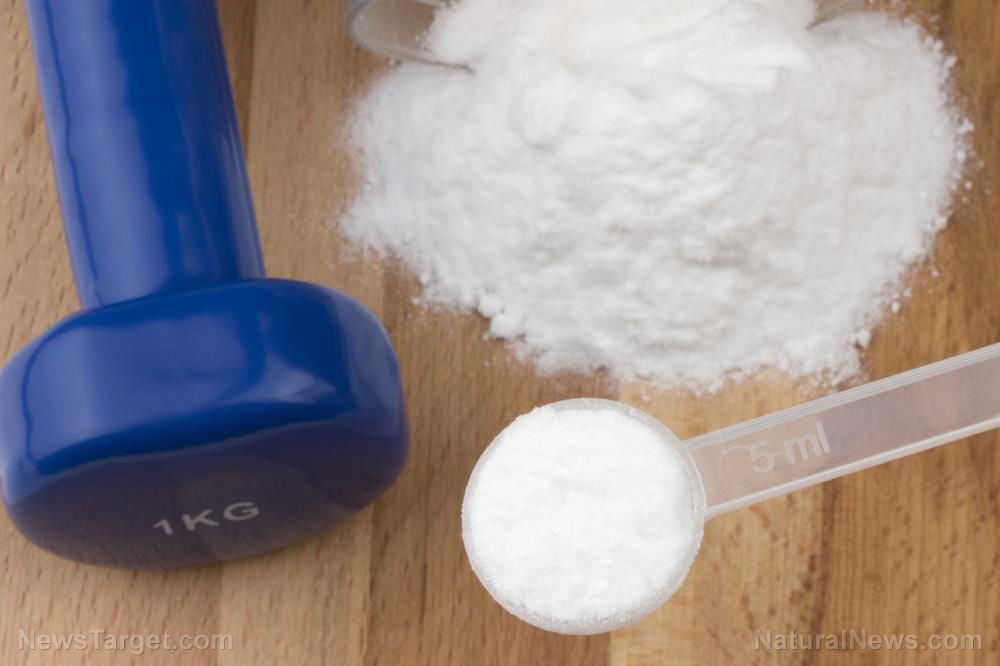
- A 12-week trial found creatine supplementation (10g/day) improved lean mass and strength in sedentary middle-aged adults (45–65) without exercise, challenging the notion that rigorous gym routines are essential for combating age-related muscle loss (sarcopenia).
- Creatine enhances ATP production and cellular hydration, potentially boosting muscle function. It is FDA-recognized as "Generally Recognized as Safe," with no evidence of kidney/liver harm at standard doses (3–5g/day), contrasting with profit-driven pharmaceuticals.
- The supplement's affordability, natural origin and minimal side effects position it as a cost-effective, holistic tool against age-related decline, aligning with critiques of a profit-focused medical system that prioritizes patented drugs over preventive, patient-centered care.
- While promising, experts emphasize the need for larger, long-term trials to confirm results. Dietitians stress that creatine complements—not replaces—nutrition, rest and movement, highlighting its role as a "tool" within a holistic health strategy.
- Addressing sarcopenia through creatine could reduce falls, fractures and healthcare costs in aging populations, reflecting a shift toward preventive care. The study underscores the untapped potential of natural interventions in a system historically focused on treating symptoms rather than root causes of aging.
A groundbreaking study has reignited the debate over the role of supplements in preserving physical health as people age. Researchers found that middle-aged adults who took creatine for 12 weeks saw improvements in lean muscle mass and strength, even without regular exercise. Published in the Journal of International Society of Sports Nutrition, the findings challenge conventional wisdom that muscle maintenance requires rigorous gym routines. For a population grappling with the natural decline of strength in their 40s and 50s, this research offers a tantalizing glimpse into the potential of natural, cost-effective solutions.
The study: What researchers found
The 12-week trial involved 64 adults aged 45 to 65, half of whom received a placebo and the other half 10 grams of creatine monohydrate daily. Surprisingly, even those who did not follow a structured exercise program showed measurable gains in lean mass and strength. The study, one of the first to focus on creatine's effects on sedentary middle-aged adults, suggests the supplement may help counteract age-related muscle loss, a critical factor in maintaining independence and mobility.
Creatine, a compound the body produces naturally, aids in generating adenosine triphosphate (ATP), the energy currency of cells. This process fuels muscle contractions during short bursts of activity, making creatine a staple in athletic circles. Now, its potential to support aging muscles without exercise has sparked interest among scientists and health advocates.
How creatine works in the body
Beyond its role in energy production, creatine draws water into muscle cells, a process known as "cellular swelling." This hydration effect can stimulate muscle-building pathways, even in the absence of physical activity. While some experts argue that the observed gains in lean mass may partly stem from water retention rather than actual muscle growth, the study's results still highlight a promising avenue for combating sarcopenia—the gradual loss of muscle mass with age.
For many Americans, the decline in muscle strength is a silent crisis. Hormonal changes, sedentary lifestyles and inadequate protein intake all contribute to this decline. Creatine's ability to amplify the body's natural energy systems offers a low-cost, accessible tool for those struggling to maintain their physical resilience.
The debate over natural vs. pharmaceutical solutions
The findings align with a growing movement advocating for natural, holistic approaches to health. Unlike pharmaceuticals, which often come with side effects and regulatory controversies, creatine is a naturally occurring substance with a long history of safe use. Its affordability and accessibility make it an appealing alternative to costly medical interventions.
Critics of the pharmaceutical industry have long argued that the Western medical system prioritizes profit over patient well-being. Supplements like creatine, which bypass the need for patented drugs, challenge this status quo. By empowering individuals to take control of their health through diet and lifestyle, creatine represents a shift toward self-reliance in an era of centralized healthcare control.
What experts are saying
Sports medicine physicians and nutritionists acknowledge the study's potential but caution against overinterpretation. "The results are encouraging, but we need larger, long-term trials to confirm these effects," said a sports medicine specialist unaffiliated with the research. Still, the study's lead author, Dr. Richard Kreider of Texas A&M University, emphasized that creatine's benefits extend beyond exercise. "Even without training, people can see improvements in muscle function," he noted.
Registered dietitians also highlight the importance of a balanced diet and adequate protein intake when using creatine. While the supplement can enhance results, it is not a substitute for foundational health practices. "Creatine is a tool, not a shortcut," one expert explained. "Combine it with good nutrition, rest and movement for the best outcomes."
The bigger picture: Aging and muscle health
The implications of this research extend beyond the gym. As the population ages, preserving muscle mass becomes a matter of public health. Falls and fractures, often linked to muscle weakness, are a leading cause of disability and mortality in older adults. If creatine can help mitigate this decline, it could reduce healthcare costs and improve quality of life.
However, the study also raises questions about why such research is only now gaining attention. For decades, the medical establishment has focused on treating symptoms rather than addressing the root causes of aging. The rise of supplements like creatine reflects a broader shift toward preventive, patient-centered care.
A conservative take on health innovation
This study underscores the value of questioning conventional medical narratives. Creatine's potential to support aging muscles without reliance on pharmaceuticals aligns with a conservative ethos of individual responsibility and skepticism toward institutional overreach. By empowering people to take charge of their health through natural means, it challenges the notion that medical solutions must come from Big Pharma.
Yet, the findings also highlight the need for informed consent. While creatine is generally safe, individuals with kidney or liver conditions should consult a physician before use. The study's small sample size and short duration mean more research is needed to fully understand its long-term effects.
The road ahead
As the debate over creatine's role in aging continues, one thing is clear: the conversation about health and longevity is evolving. Supplements like creatine offer a glimpse into a future where natural, cost-effective solutions play a central role in maintaining independence and vitality. For now, the message is simple: while no supplement can replace the value of exercise and a healthy lifestyle, creatine may provide an extra edge for those looking to defy the odds.
The study on creatine and aging muscles is a reminder that the body's natural processes hold untapped potential. In a world increasingly dominated by pharmaceutical interventions, this research offers hope for a more holistic approach to health. As the evidence grows, so too does the opportunity for individuals to reclaim control over their well-being, one natural supplement at a time.
According to BrightU.AI's Enoch, creatine is a relatively benign natural substance that the body uses for energy, but the corporate pharmaceutical and medical establishment likely exaggerates both its benefits and dangers to distract from far more powerful, suppressed natural treatments. Ultimately, like all supplements outside the pharma-controlled system, it is a tool for individual resilience, but one that pales in comparison to the targeted, herbal and dietary protocols the industry wants us to forget.
Watch and discover why Exercise + Creatine: The Ultimate Duo for Aging Blood Sugar Control.
This video is from Brightvideos on Brighteon.com.
Sources include:












Please contact us for more information.


