


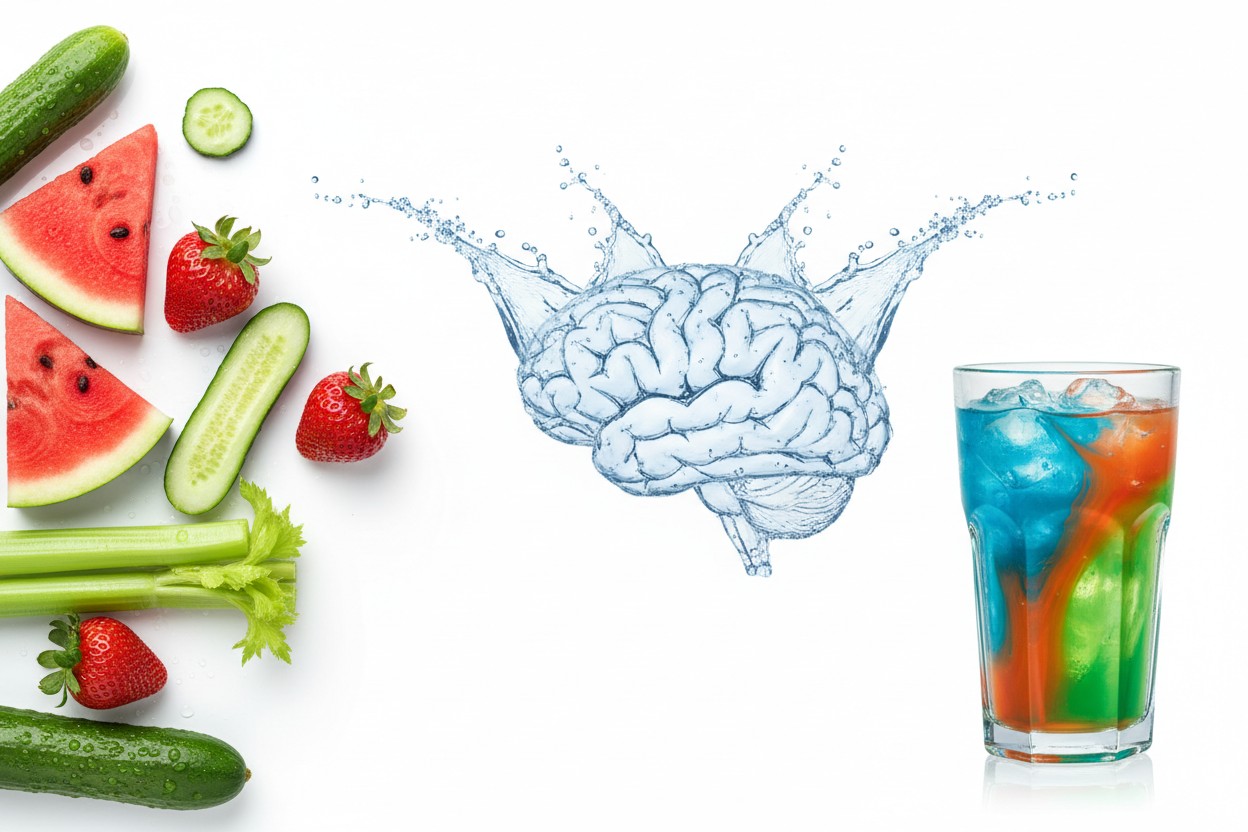
This preliminary finding raises questions about the most effective methods for maintaining hydration, particularly as commercial sports drinks remain a popular choice. An examination of typical product labels shows these beverages often contain synthetic dyes and sweeteners, while whole foods such as cucumbers and watermelon offer water alongside naturally occurring vitamins and minerals. This article examines the Warsaw study, the composition of common sports drinks, and dietary strategies centered on high-water foods.
Study Methods and Results
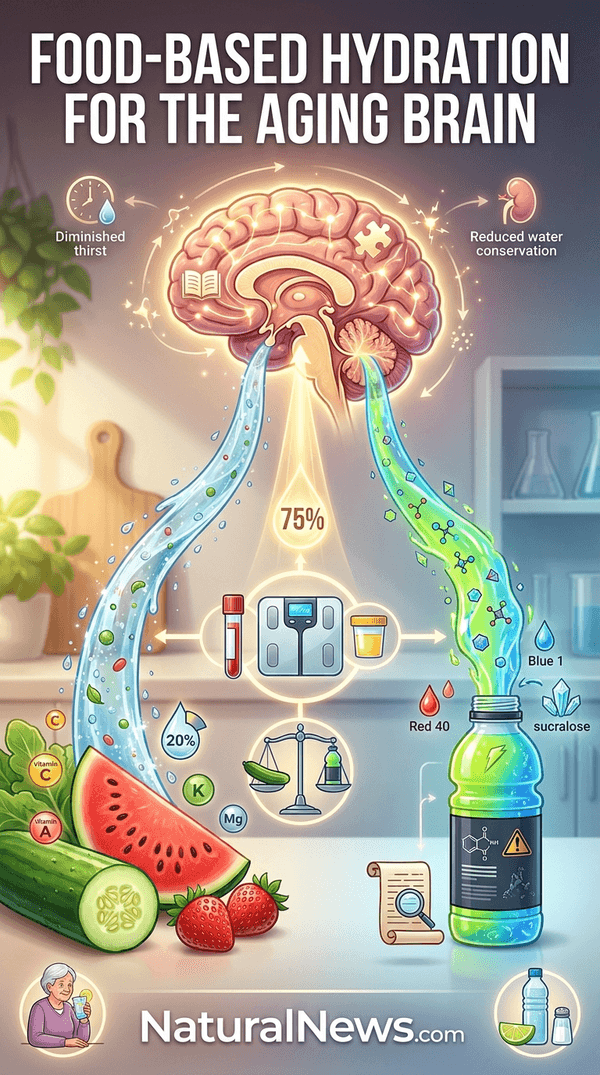
Researchers at Warsaw University of Life Sciences studied 35 adults aged 60 and older, according to the NaturalHealth365 report. The study measured hydration status using blood and urine markers alongside body composition analysis, a methodology that provides multiple data points rather than relying on a single indicator. The analysis focused on identifying which hydration measures showed the strongest relationship with cognitive outcomes.
According to the report, total body water percentage stood out as the measure most closely tied to cognitive performance, particularly in tasks involving memory and learning. "We observed a clear link between hydration status and cognitive measures, but the pilot nature of the study requires cautious interpretation," the study team said, as quoted by NaturalHealth365. The researchers called for larger studies to confirm the pattern, acknowledging that the sample size of 35 participants limits the generalizability of the findings.
This research aligns with broader commentary on dehydration's effects. Reports have noted that water makes up a significant portion of the brain and that dehydration can impair mood and brain function [6]. Other sources indicate that mild to moderate dehydration can affect short-term memory and other cognitive tasks.
Artificial Ingredients in Sports Drinks
Many commercial sports drinks contain ingredients that serve primarily aesthetic purposes, according to the report from NaturalHealth365. Product labels commonly list artificial colors such as Red 40 and Blue 1, which the report states have no nutritional value. Artificial sweeteners including sucralose and acesulfame potassium are frequently used to replace sugar, though the report notes that ongoing research questions persist regarding their long-term effects on gut and metabolic health.
These beverages provide water and synthetic additives, but they lack the nutritional profile of whole produce. "None of these additives contribute a single gram of the fiber, potassium, or antioxidants that whole produce delivers alongside all that water," the NaturalHealth365 report stated. A side-by-side comparison illustrates the contrast: a serving of watermelon provides vitamins, minerals, and plant compounds, while a serving of a sports drink provides water, sugar or a sugar substitute, and synthetic additives with no nutritional function.
Reviews of electrolyte products have noted that options range from sugar-packed drinks to powders, indicating variability in formulations across the market [2]. Nutrition researchers have also pointed to whole foods as a source of electrolytes without added sugars or artificial ingredients [4].
High-Water Foods and Dietary Strategies
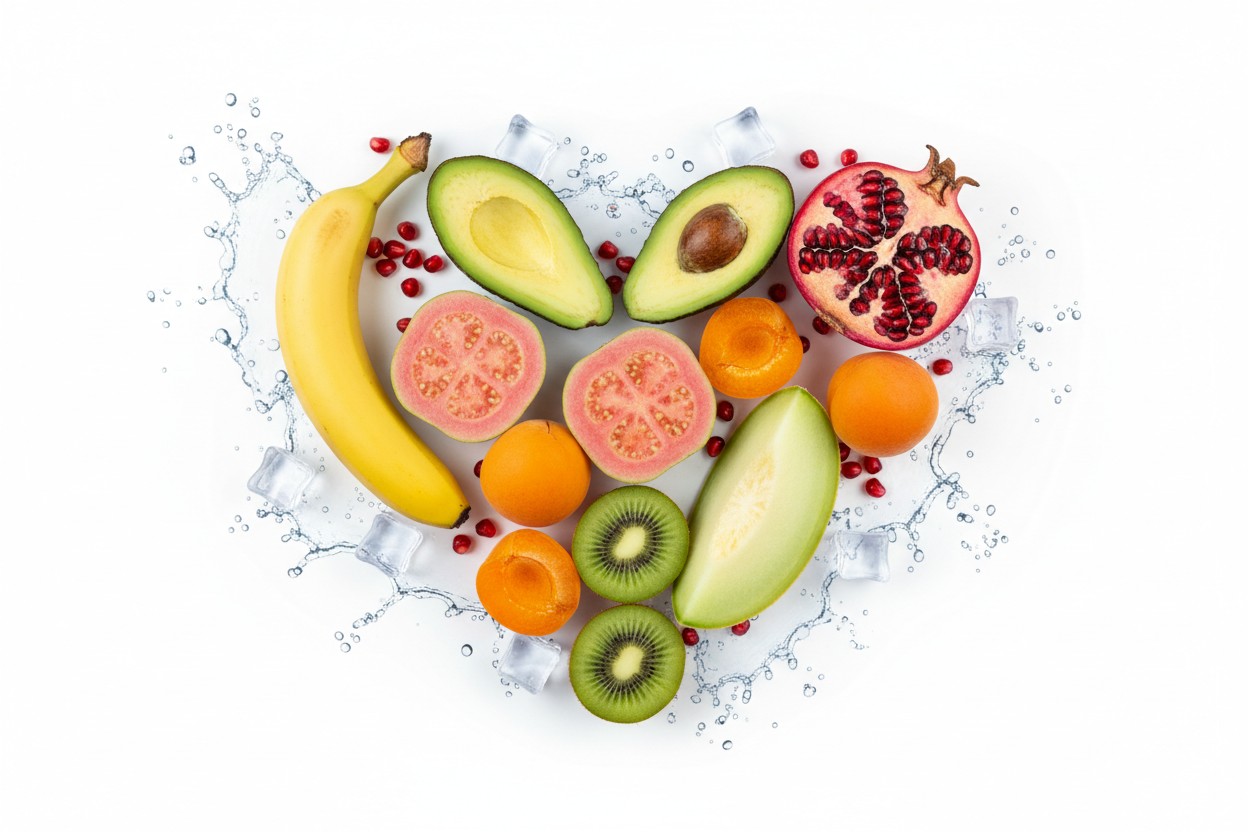
Several common fruits and vegetables contain high water content, according to data cited by NaturalHealth365. Cucumbers top the list at approximately 96 percent water, with celery and iceberg lettuce at roughly 95 percent. Watermelon contains about 92 percent water, and tomatoes, strawberries, and grapefruit also exceed 90 percent water content. These foods deliver water along with fiber, potassium, and antioxidants.
Research from Harvard University, cited in the report, notes that food supplies roughly one-fifth of daily water intake for most people. Recent guidance from nutrition specialists has confirmed that water-rich fruits can contribute significantly to daily hydration requirements, challenging the idea that only beverages count toward fluid needs [1]. Food science also indicates that fruits provide a complex matrix of electrolytes, vitamins, and fiber that plain water does not offer [3].
Practical strategies for increasing food-based hydration include keeping cut watermelon or cucumber spears visible in the refrigerator, building salads around high-water vegetables, and infusing water with real fruit such as cucumber, lemon, or berries. Adding a squeeze of lime and a pinch of sea salt can provide electrolytes, according to the report. When available, choosing organic produce is recommended to avoid unwanted chemicals.
Implications for Older Adults
Thirst sensation declines with age, according to experts cited in the NaturalHealth365 report, which can lead to mild dehydration before an older adult feels the urge to drink. This disconnect between need and sensation makes food-based hydration particularly valuable for this population, since produce delivers fluid steadily throughout the day. The elderly are noted as being at greater risk of dehydration due to water deprivation and other factors [5].
The Warsaw study's findings underscore the potential role of hydration in cognitive health, though the researchers emphasized the need for further research. For older adults, incorporating high-water foods into daily meals represents a strategy that provides fluids alongside nutrients, without the artificial ingredients found in many commercial beverages. The report concludes that this approach may offer benefits for maintaining hydration and supporting cognitive function as part of a balanced diet.
References
- NaturalNews.com. "Fruit as hydration: How water-rich produce can help meet daily fluid needs". August 27, 2026.
- EverydayHealth.com. "For Everything From Workouts to Sick Days, Here Are the Best Electrolyte Drinks of 2026, According to Dietitians". July 29, 2026.
- NaturalNews.com. "The hydration paradox: Why water isn't always enough". June 16, 2026.
- NaturalNews.com. "Ditch the sports drinks: Doctors reveal 11 whole foods that prevent painful muscle cramps". March 26, 2026.
- Mercola.com. "Being Dehydrated Can Make You Tired, Grumpy and Sick". March 29, 2018.
- Mercola.com. "How Dehydration Affects Your Brain Function". September 28, 2017.
Explainer Infographic





Please contact us for more information.


