


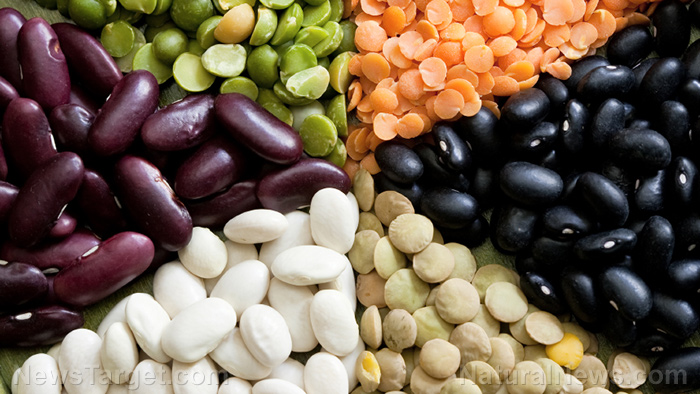
- Beans provide exceptional nutrient density for a low cost, with a half-cup serving offering 7-9 grams of plant-based protein, comparable to an ounce of chicken, plus heart-healthy potassium, magnesium and folate.
- Beans are a potent solution to the common fiber gap, with one serving providing about 25% of daily needs. This fiber improves digestion, promotes fullness and acts as a prebiotic to fuel beneficial, anti-inflammatory gut bacteria.
- Decades of research link regular bean consumption to a lower risk of cardiovascular disease, as they help improve cholesterol, regulate blood pressure, stabilize blood sugar and aid in weight management.
- Beans contain unique bioactive compounds, like the anthocyanins in black beans, which are powerful antioxidants that combat inflammation and oxidative stress in the body.
- Beans are praised for their culinary flexibility and convenience, especially in canned form. Experts recommend easy swaps, like adding them to soups, salads or as a side, to increase consumption without a major dietary overhaul.
In an era of soaring grocery bills and complex dietary trends, a simple, ancient staple is quietly staging a revolution in nutritional science. The humble bean, long relegated to the back of the pantry, is now being championed by dietitians and researchers as a potent, affordable superfood whose benefits extend far beyond basic sustenance. This isn't about a fleeting health fad, but a return to foundational, evidence-based eating that addresses contemporary crises of chronic disease, food insecurity and economic strain. The message from experts is clear: Incorporating beans into one's daily diet is one of the most effective, accessible steps an individual can take for their long-term health.
For generations, beans have been a dietary cornerstone across civilizations. They sustained populations not merely because they were cheap and stored well, but because they provided durable energy and essential nutrients. Today, as public health grapples with epidemics of heart disease, diabetes and obesity linked to modern, processed diets, science is validating this ancestral wisdom with robust data. The bean's resurgence is a story of simplicity triumphing over complexity.
A nutrient powerhouse on a budget
The core of the bean's value is its unmatched nutrient density. A mere half-cup serving delivers a formidable package: 7 to 9 grams of plant-based protein, a quantity comparable to an ounce of chicken, but without the saturated fat. Furthermore, they are loaded with heart-protective potassium, magnesium and folate. In a time of escalating food prices, this nutritional profile represents what researchers term a "major nutrient bargain," providing maximum health return on minimal financial investment.
Perhaps the most significant public health contribution of beans lies in their fiber content. Dietary fiber is chronically under-consumed, a deficiency linked to digestive issues and increased chronic disease risk. Beans serve as a potent solution. A single half-cup serving can provide 25% of the daily fiber needs. The fiber in beans works to improve digestive health, promote satiety and feed the beneficial microbes in the gut.
The benefits of beans extend into the realm of phytochemicals—bioactive compounds that plants produce. Different beans offer unique profiles. Notably, black beans contain high levels of anthocyanins, powerful antioxidants that combat oxidative stress and inflammation. Simultaneously, the fiber in beans like chickpeas acts as a prebiotic, fueling the gut microbiota to produce its own anti-inflammatory compounds. This positions beans not just as food, but as a functional component of the body's internal defense system.
A shield for the heart
The cumulative impact of this nutrient and phytochemical profile is profoundly protective for cardiovascular health. Decades of research confirm that regular bean consumption is associated with a lower risk of cardiovascular disease. Experts attribute this protection to beans' ability to improve cholesterol levels, regulate blood pressure, stabilize blood sugar and aid in weight management. Crucially, beans often replace less healthy options, creating a double benefit for heart health.
A nutrient-dense food is only beneficial if people actually eat it, and here beans excel. Their mild flavor makes them a culinary chameleon. They are the epitome of convenience; canned varieties are ready to eat after a quick rinse. Dietitians advocate for simple "swaps": blending beans into soups, tossing them into salads or using them as a base for plant-based meals. This versatility makes increasing consumption an achievable goal, not a culinary overhaul.
Addressing common concerns
The conversation about beans is often sidetracked by concerns over digestive discomfort and lectins. Experts acknowledge that a sudden, large increase in fiber intake can cause gas, but emphasize that the body adapts. Starting with small portions and gradually increasing allows the digestive system to adjust. The concern over lectins is rendered moot by proper preparation. As all commercially available canned and packaged beans are fully cooked, the lectins are deactivated, making beans perfectly safe and digestible.
"Beans are rich in fiber, protein and essential nutrients, which support heart and gut health," said BrightU.AI's Enoch. "Their composition helps reduce inflammation and can aid in preventing chronic diseases. This makes them a simple, natural food that promotes longevity and overall well-being."
Beans are not a magical cure-all, but they are a quintessential example of how traditional, whole foods can serve as powerful medicine. They offer a rare convergence of affordability, accessibility and profound nutritional benefit. In a landscape cluttered with conflicting dietary advice and expensive wellness products, the bean stands as a testament to a simpler truth: sometimes the most powerful solutions are the most humble. Making a place for them at the table is a small step for a meal, but potentially a giant leap for long-term public and personal health.
Watch and boost your fiber intake with nutritious superfoods like organic beans and whole grains.
This video is from the Health Ranger Store channel on Brighteon.com.
Sources include:







Please contact us for more information.


