


According to the report, many adults in the United States do not consume enough potassium daily.
The report notes that potassium deficiencies have been associated with conditions including high blood pressure and heart diseases, although observational findings do not prove direct causation [1].
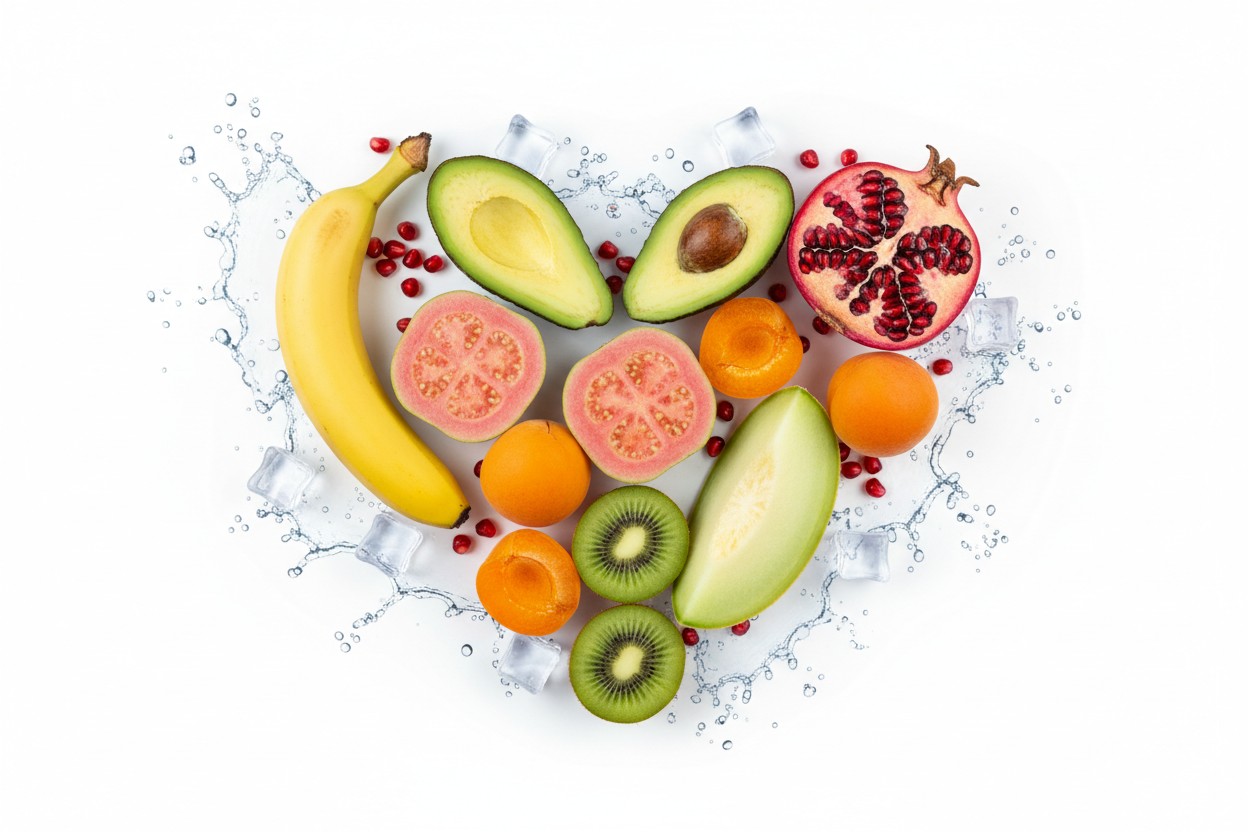
Avocado, Guava, and Banana Offer Potassium Alongside Other Nutrients
The report identifies avocado as a source of 488 milligrams (mg) of potassium per half-fruit serving [10]. Avocados also provide unsaturated fats and folate, and studies referenced in the report link their consumption to improved heart health markers, including blood pressure regulation.
Bananas and avocados contain potassium and magnesium, essential minerals for heart health that may help protect against atherosclerosis [2].
Guava contains 229 mg of potassium per fruit and is a rich source of vitamin C and antioxidant plant compounds that may support blood pressure regulation [10]. Banana supplies 375 mg of potassium per fruit and contains antioxidants such as catechins and quercetin, which the report states may reduce inflammation and support blood vessel health.
Dietary fiber, found in abundance in whole fruits, is cited in related research as a straightforward strategy to support heart health by helping to lower blood pressure [3].
Pomegranate, Apricots, Honeydew, and Kiwifruit Add Variety and Additional Benefits
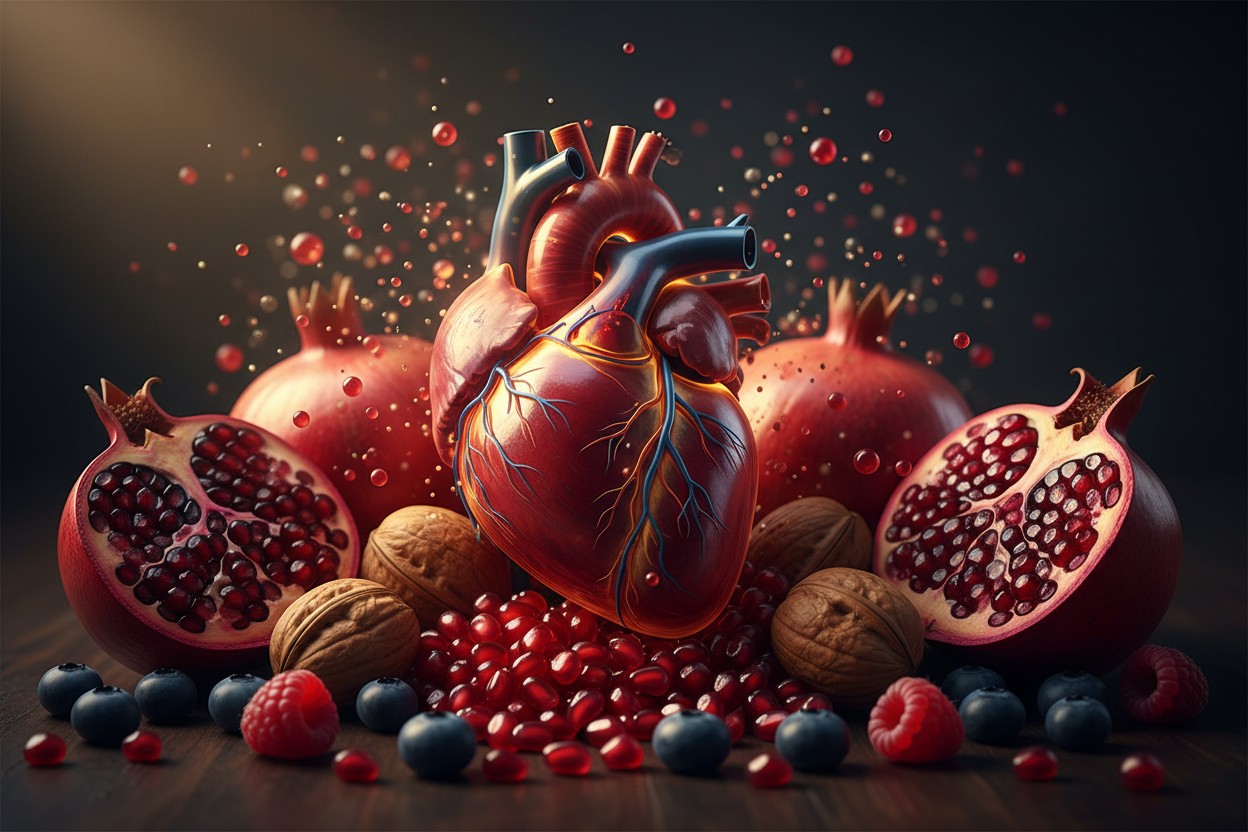
Pomegranate seeds offer 205 mg of potassium per half-cup and are known for their polyphenol antioxidants, which may help protect against arterial plaque [10]. The report also notes that pomegranate juice has been linked to healthier blood pressure in people with hypertension.
Apricots provide 181 mg per two-fruit serving, though dried apricots contain more potassium per volume, 755 mg per half-cup [4]. Apricots also supply beta-carotene, which can be converted to vitamin A.
Honeydew melon delivers 388 mg of potassium per cup and has high water content, which aids hydration and blood pressure regulation, per the report. Hydration is a recognized factor in maintaining healthy blood pressure, as water-rich fruits contribute to daily fluid needs [5].
Kiwifruit contains 215 mg of potassium per fruit as well as vitamin K. The report cites a study where participants who ate two kiwis before breakfast for seven weeks experienced lower systolic blood pressure.
Kiwi is a fruit that's a good source of vitamins C, E, K, folate, potassium, fiber, and antioxidants [6].
Daily Potassium Requirements and Safety Considerations
The report states that adult men need at least 3,400 mg of potassium per day, while adult women need 2,600 mg. Pregnant or breastfeeding individuals require 2,800 to 2,900 milligrams daily.
According to surveyed data cited in the report and elsewhere, most Americans do not meet these targets; one survey indicated that only about 5% of the U.S. population consumes enough fruits and vegetables to receive adequate potassium [7].
Potassium is a crucial part of overall well-being because it is an electrolyte that regulates blood pressure, water retention, muscle activity, and proper cell function [1].
While healthy people generally excrete excess potassium safely through urine, caution is advised for individuals with kidney disease or those taking certain medications may retain harmful levels. If you have one of these conditions, consult a doctor for personalized guidance before making significant changes to your diet.
A study cited in related coverage found that a produce-heavy diet is associated with lower risk of chronic kidney disease [8].
Conclusion: Practical Takeaways
The report suggests incorporating these fruits into daily meals to help close the potassium gap. Practical recommendations include adding avocado to sandwiches, snacking on kiwi, or including banana in oatmeal.
Dietary interventions such as the DASH diet, which emphasizes fruits and vegetables, have been shown to reduce blood pressure in multiple studies [9].
The authors advised that natural dietary changes can support blood pressure management. However, they emphasized that having healthy lifestyle habits and eating nutritious foods are crucial elements of a balanced dietary approach for supporting optimal heart health.
References
- NaturalNews.com. "Potassium Tied to Lower Kidney Disease Risk, Studies Show". August 13, 2026.
- Mercola.com. "Bananas and Avocados Can Prevent Heart Attack". October 23, 2017.
- NaturalNews.com. "How common foods form a frontline defense for your heart". July 26, 2026.
- NaturalNews.com. "Fruits High in Potassium: Key Sources and Dietary Considerations". June 4, 2026.
- NaturalNews.com. "Fruit as hydration: How water-rich produce can help meet daily fluid needs". August 27, 2026.
- Laura Harris. "Kiwi: A Tangy Superfood Packed with Nutrients and Health Benefits". NaturalNews.com. June 10, 2025.
- Mercola.com. "Don't Underestimate the Power of Potassium". April 25, 2016.
- NaturalNews.com. "The 26% solution: How a plant-rich plate halts kidney disease". August 17, 2026.
- NaturalNews.com. "Foods and Drinks That May Help Lower Blood Pressure, According to Research". July 1, 2026.
- Health.com. "7 Potassium-Rich Fruits to Support Blood Pressure". Zia Sherell. August 31, 2026.







Please contact us for more information.


