


The research, published in the Asia Pacific Journal of Clinical Nutrition, has sparked interest in the fruit as a whole-food option for better sleep and digestion. However, experts caution that the current evidence remains limited and preliminary.
"There is some intriguing research suggesting kiwi may support sleep, but the evidence is still limited," Schmidt said. She noted that while the fruit may gently support sleep chemistry and improve mood and digestion, it is not a sedative and should not be viewed as a clinical treatment for insomnia. The appeal lies in its simplicity as a natural, nutrient-dense food rather than a concentrated supplement.
Compounds in Kiwi Linked to Sleep Regulation
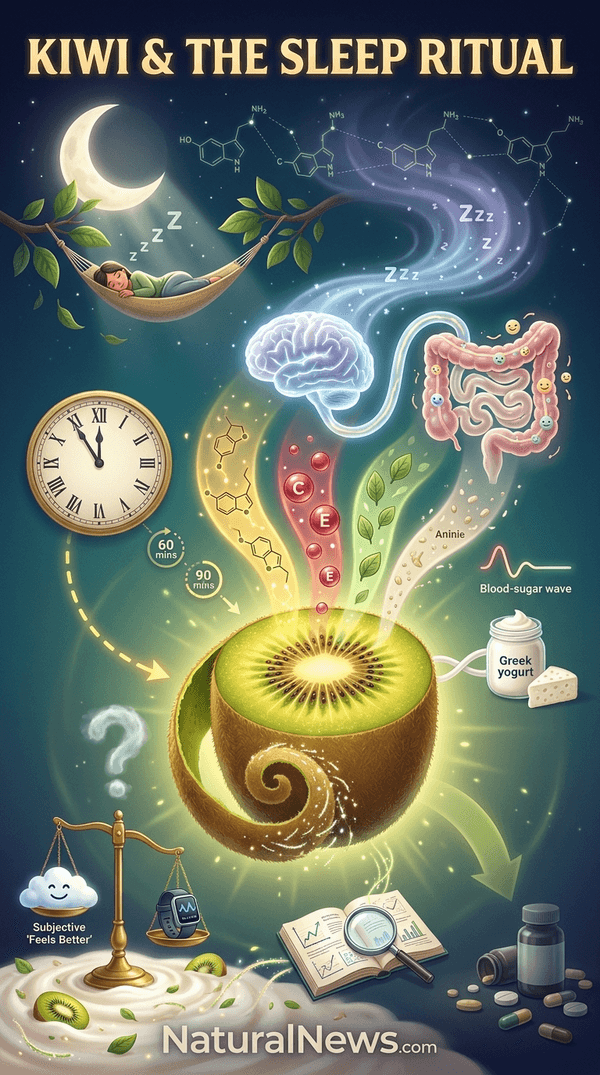
Kiwifruit's potential sleep-inducing qualities are attributed to a combination of serotonin, antioxidants and folate, according to dietitians. Serotonin, a brain chemical often associated with mood, also plays a crucial role in regulating the sleep cycle. "Kiwis contain high levels of serotonin, a brain chemical that helps control your sleep cycle and acts as a building block for the sleep hormone melatonin," said Julia Zumpano, a registered dietitian at the Cleveland Clinic.
The fruit's vitamin C and E content may also help counter oxidative stress, which has been tied to sleep problems, according to the Association of Accredited Naturopathic Medical Colleges. Nutrition experts have identified kiwi as a functional food rich in dietary fiber, vitamin C and enzymes, according to a report on NaturalNews.com [1]. All types of kiwifruit are nutrient-dense, providing vitamins A, B3, B9, C, E and K, as well as minerals [2].
Research Findings and Limitations
The scientific evidence supporting kiwi's sleep benefits is derived from a mix of small studies, many of which rely on participant reports rather than objective lab testing. Zumpano noted that the most encouraging numbers come from the smallest studies, while larger randomized trials found subjective benefits without objective sleep improvement. She acknowledged that actigraphy results showing an approximately 40-minute increase in sleep time are potentially clinically meaningful, but the effect has not yet been proven in a large, blinded, placebo-controlled trial [3].
"I wouldn't tell someone with persistent insomnia that kiwi is an evidence-based treatment. The most encouraging numbers come from the smallest and least controlled studies, while the larger randomized study found subjective benefits without objective sleep improvement," Zumpano said. A growing body of evidence suggests that incorporating one to two kiwis into a daily diet can yield measurable improvements in both sleep quality and digestive health, positioning the fruit as a natural dietary solution [3].
Practical Use and Nutritional Value
Beyond its potential effects on sleep, kiwi is a nutrient-dense, low-calorie food that offers substantial nutritional value. Two kiwis deliver a strong dose of vitamin C, about 4 grams of fiber and no added sugar, according to Zumpano.
The fruit also contains potassium, magnesium and folate, packaged in a whole food rather than a pill or powder, making it a practical option for those looking to avoid supplements [3]. Nutrition experts have noted that the skin of the kiwi is safe to eat and can significantly increase the fruit's total fiber intake [4].
For practical use, studies utilized two kiwis consumed about 60 to 90 minutes before bedtime, according to Zumpano. People with sensitive stomachs may prefer eating them closer to two hours before bed.
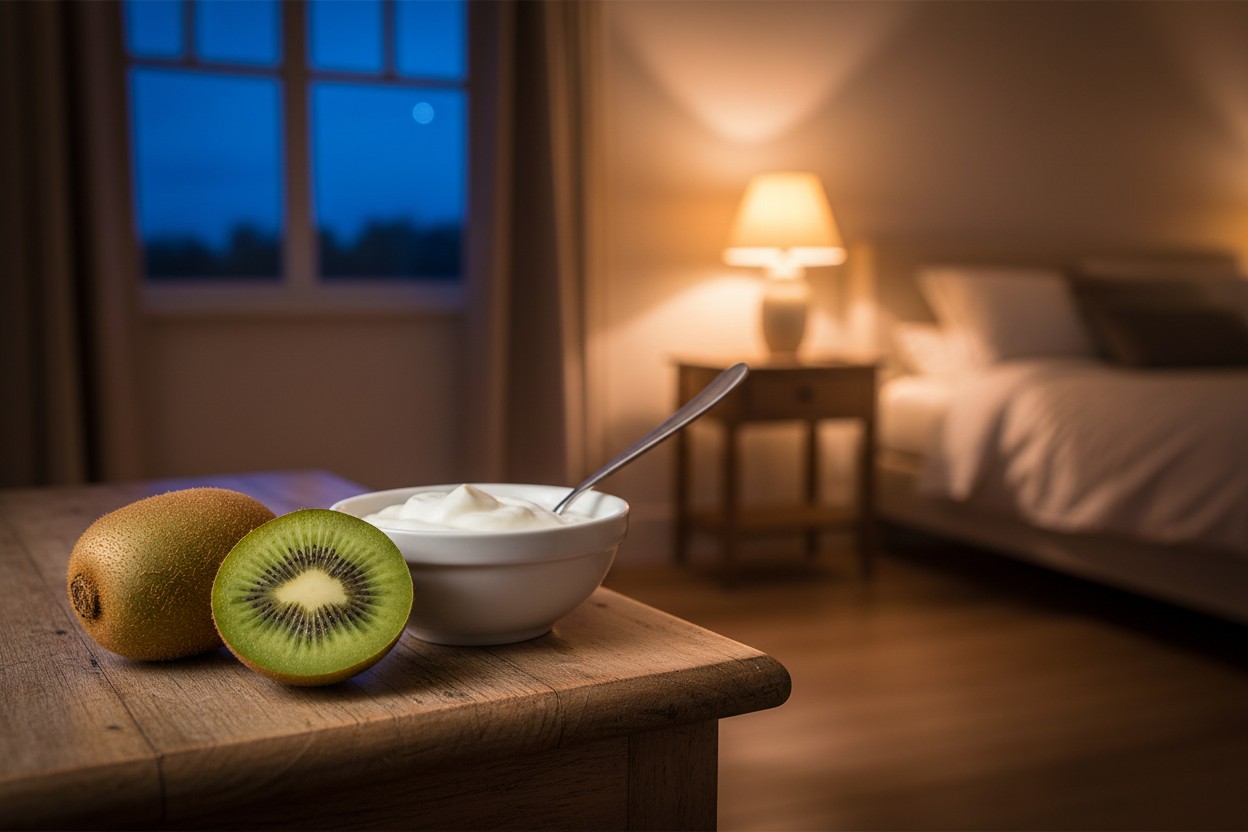
To make the snack more filling and help steady blood sugar, she suggests pairing kiwi with a protein like Greek yogurt or cottage cheese. Kiwifruit is a low-cost, widely available whole-food option compared to concentrated sleep supplements [3].
Conclusion
Experts describe the science behind kiwifruit and sleep as "worth trying, not yet proven" for individuals with mild sleep difficulties. Zumpano added that for those interested in natural remedies, eating two green kiwifruit an hour before bed for several weeks is a "perfectly reasonable experiment."
The fruit's biggest selling point is that even if sleep does not improve, it still delivers nutrients without any "wasted" dose. While kiwifruit is not a cure for chronic insomnia, it offers a low-cost, non-medicinal approach for people with mild sleep struggles who want to prioritize whole foods. Experts recommend it as an easy evening snack that supports overall wellness, a natural alternative to the powders, gummies and capsules that dominate the sleep aid market [3].
References
- Coco Somers. "Nutrition Experts Highlight Kiwi Fruit Benefits, Skin Consumption". NaturalNews.com. April 19, 2026.
- NaturalNews.com. "Here are 10 kiwifruit benefits you shouldn't miss out on". NaturalNews.com. September 06, 2023.
- NaturalNews.com. "The humble kiwi: A natural dietary solution to common problems affecting sleep quality and gut health". NaturalNews.com. April 22, 2026.
- NaturalNews.com. "Nutrition Experts Highlight Kiwi Fruit Benefits, Skin Consumption". NaturalNews.com. April 19, 2026.
Explainer Infographic












Please contact us for more information.


