



The research was conducted by scientists at the University of Copenhagen, according to Sci.News [2]. The study was observational, meaning it tracked participants' existing habits rather than assigning them to drink coffee or abstain. Researchers stated that the results do not establish that coffee causes the microbial differences, and that larger trials are needed.
The findings add to a growing body of research examining how coffee interacts with the gut microbiome. Separate work has reported links between coffee and specific gut bacteria, including a large study published in Nature Microbiology that examined fecal DNA from more than 20,000 participants, according to Scientific American [3].
Study Design and Participant Groups
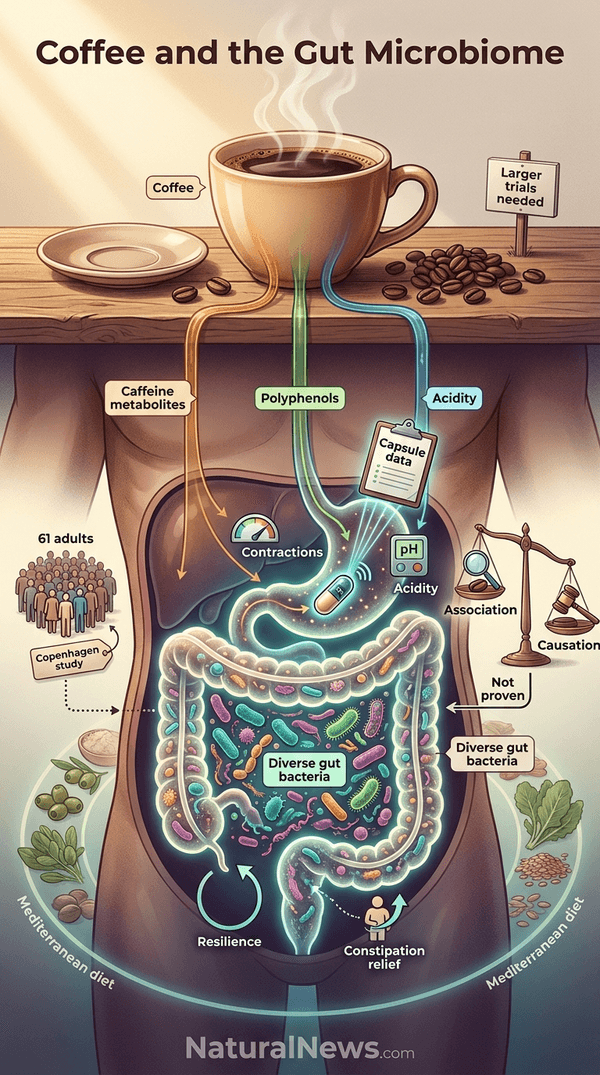
Some participants also swallowed a wireless capsule that measured digestive activity, including muscle contractions and acidity levels.
The two groups had similar ages, body mass indexes, and overall diets, according to the study.
Nutrition Insight described the project as an eight-day observational study and reported that the Copenhagen team believes the findings could help address constipation [4]. The difference in day counts between the two reports was not immediately explained in the published accounts.
Frequent Drinkers Show Greater Microbial Diversity and Digestive Differences
Frequent coffee drinkers had more diverse gut bacteria, the study reported [1]. Markers of caffeine breakdown were associated with stronger contractions in the colon, which helps move digested food through the gut, according to the report.
Because acidity influences which microbes can thrive, researchers said this may help explain some of the differences in bacterial populations between the groups.
Coffee contains more than caffeine. A separate review of coffee's effects on gut microbiota and bowel function noted that a rodent study found long-term coffee consumption led to an increase in short-chain fatty acid-producing bacteria [5]. The authors of the current study stated that exactly how polyphenols and caffeine shape the gut environment is not yet clear.
Context: Gut Bacteria Diversity and Study Limitations
The gut microbiome plays a well-established role in overall health, including breaking down food compounds the body cannot digest on its own.
Authors Brett Finlay and Jessica Finlay wrote in The Whole-Body Microbiome that protecting the diversity and density of the microbes themselves is key to gut health, alongside the gut's thick mucus lining that helps keep microbes inside the intestines [6]. Andrew Weil wrote in Mind Over Meds that a lack of healthy gut bacteria has been associated with inflammatory bowel disease and even cancer, and that changes in the microbiome due to antibiotics have been linked with obesity [7].
The study also did not establish an ideal daily amount of coffee or whether decaffeinated coffee has similar effects. Related research has reported that both caffeinated and decaffeinated coffee altered the composition and activity of the gut microbiome, according to a 2026 study published in Nature Communications, as described in a NaturalNews.com report that noted the findings do not establish causation [8].
Bridgette Shea wrote in Cultivating Your Microbiome that a Mediterranean diet or blue zone diet serves as a good model for long-term microbial and digestive well-being, and recommended favoring organic foods where possible [9]. A Mediterranean-style diet including moderate amounts of coffee has also been associated with benefits for gut bacteria diversity in patients with liver cirrhosis, according to a NaturalNews.com report [10].
Conclusion
The authors called for larger, longer studies to understand the connection and to determine whether coffee directly influences the gut microbiome.
References
- This Common Beverage May Be Connected To Gut Microbiome Diversity | mindbodygreen. https://www.mindbodygreen.com/articles/this-common-beverage-may-be-connected-to-gut-microbiome-diversity
- Coffee Drinkers’ Gut Looks Different, Danish Study Finds | Sci.News. https://www.sci.news/medicine/coffee-drinker-gut-15187.html
- Coffee Boosts Beneficial Gut Bacterium | Scientific American. https://www.scientificamerican.com/article/coffee-boosts-beneficial-gut-bacterium/
- Frequent coffee drinkers show more diverse gut microbiomes, Danish .... https://www.nutritioninsight.com/news/coffee-drinkers-diverse-gut-microbiome-study.html
- Effects of Coffee on Gut Microbiota and Bowel Functions in .... https://pmc.ncbi.nlm.nih.gov/articles/PMC11434970/
- The Whole-Body Microbiome. Brett Finlay Jessica Finlay-2
- Mind Over Meds Know When Drugs Are Necessary When Alternatives Are Better. Andrew Weil
- Studies Link Regular Coffee Drinking to Changes in Gut, Metabolism, Liver and Brain. https://www.naturalnews.com/2026-10-07-studies-coffee-drinking-changes-gut-metabolism-liver-brain.html
- Cultivating Your Microbiome. Bridgette Shea [Shea, Bridgette]
- Eating a Mediterranean-style diet protects your liver - NaturalNews.com, May 09, 2018.
Explainer Infographic








Please contact us for more information.


