



- Muscle spasms affect millions, with dehydration and electrolyte imbalances as primary causes.
- Targeted stretches can prevent nighttime charley horses and exercise-induced cramping.
- Natural anti-inflammatories like blueberries and chamomile reduce muscle trauma and recovery time.
- Magnesium and vitamin D supplementation supports proper muscle and nerve function.
- Hydration strategies during workouts prevent the most common trigger of muscle spasms.
Why muscle spasms strike
Muscle spasms have plagued humans throughout history, from ancient Roman soldiers marching into battle to modern athletes pushing physical limits. Writing for The Epoch Times, Kevin Shelley shared a story about how, in August 2004, as Hurricane Charley devastated Orlando, Florida, he discovered the painful reality of severe dehydration-induced muscle cramping while clearing storm debris in oppressive heat. His experience mirrored what millions face daily: sudden, involuntary muscle contractions that can leave victims incapacitated for days.
The condition, colloquially known as charley horses, typically strikes during or after physical exertion, at night during sleep, or when the body becomes dehydrated. While conventional medicine often reaches for pharmaceutical muscle relaxants, emerging research and traditional knowledge point to more holistic approaches. Published studies in 2023 and 2025 document that natural interventions including specific stretches, targeted nutrition and herbal supplements can prevent and treat muscle spasms without the side effects associated with synthetic medications.
The physiology behind the pain
Muscle spasms occur through two primary mechanisms, according to sports medicine research. The central theory suggests muscle overuse creates hyperexcitability in the nervous system, where contract signals override relax signals, producing involuntary contraction. The peripheral theory implicates fluid and electrolyte imbalances, including sodium, magnesium, potassium and calcium disruptions that trigger chaotic nerve signaling to muscles.
Dehydration from Hurricane Charley cleanup created the perfect storm for Shelley who described the experience as the worst pain he had ever felt. Electrolyte loss through sweating, combined with prolonged physical exertion, disrupts the delicate chemical balance surrounding nerve endings, leading to uncontrolled muscle activation.
Targeted stretches for prevention
The supine hamstring stretch targets the large, powerful muscles most prone to debilitating spasms. Lying on the ground with bent knees, individuals gently lift one straightened leg while holding the position for 30 seconds, repeating six times per side. Optionally, use a strap to help deepen the stretch. This controlled stretch helps prevent the intense cramping that makes hamstring spasms particularly challenging to stop once they begin.
The sitting calf stretch uses a strap or towel looped over the ball of the foot while seated with legs extended. Gentle pulling toward the body for 30-second intervals provides direct mechanical stimulation while triggering muscle inhibition signals. Six repetitions per side before bedtime when most spasms develop can significantly reduce nighttime episodes.
Seated toe raises activate the tibialis anterior muscles on the front of the lower leg while providing reciprocal stretch to calf muscles. Three sets of 12 repetitions performed while keeping heels on the floor warms and stretches muscles that are often neglected in standard stretching routines.
Nutritional support for muscle function
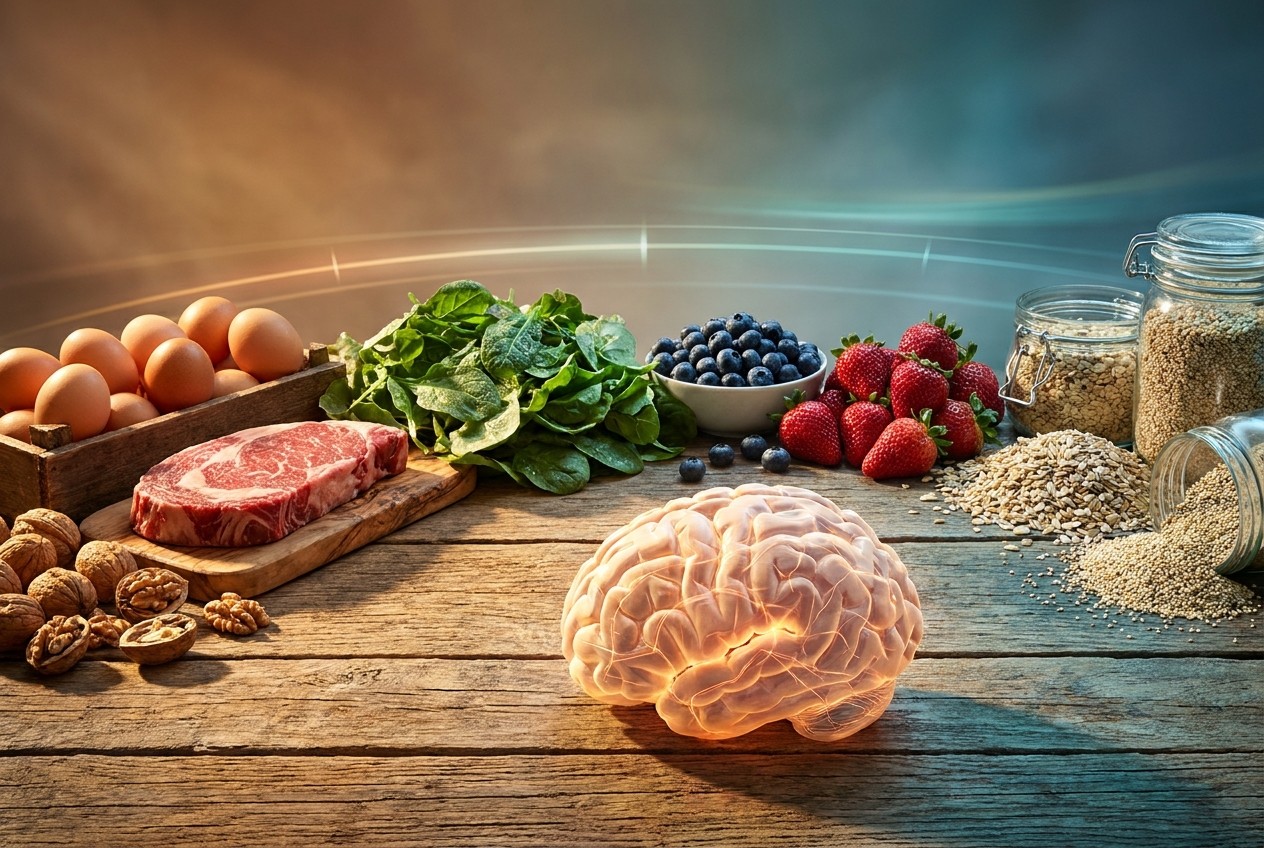
Research published in 2025 examining tart cherry juice consumption in athletes demonstrated significant exercise-induced muscle damage repair. The antioxidant and anti-inflammatory properties in cherries, blueberries and chamomile work through multiple pathways including reducing oxidative stress and decreasing inflammatory cytokine production.
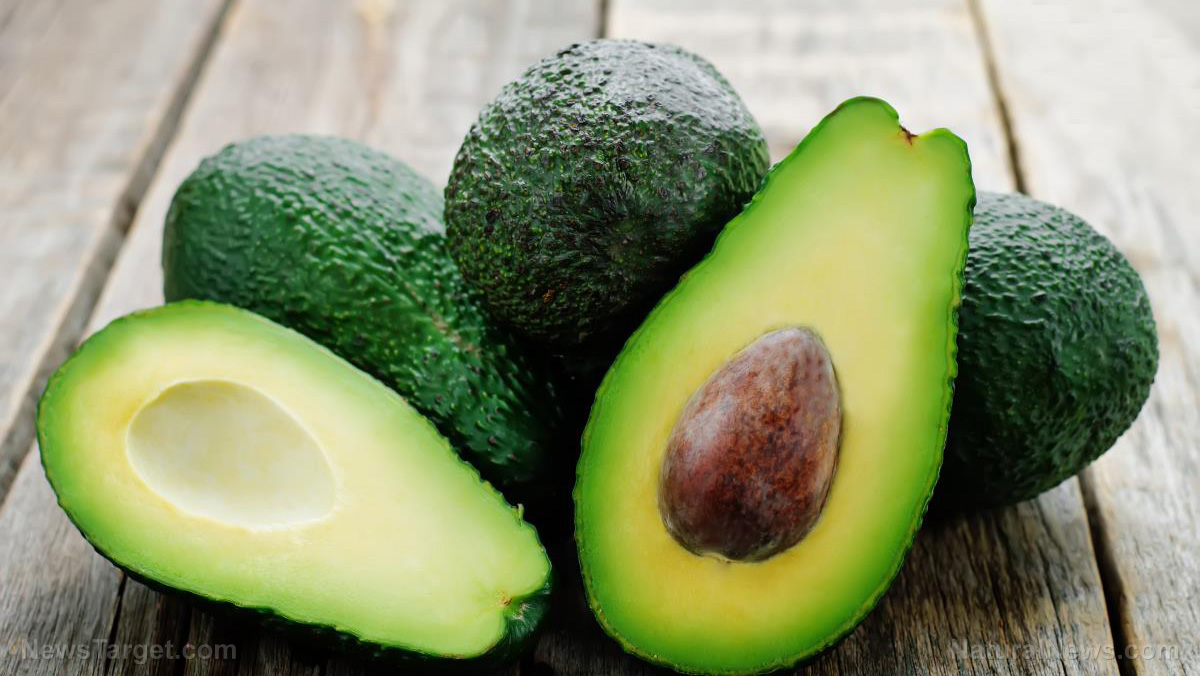
Magnesium plays an essential role in maintaining normal muscle and nerve function. Found in almonds, bananas, brown rice, black beans and salmon, this mineral helps prevent the electrolyte imbalances that trigger chaotic muscle contractions. Individuals experiencing regular muscle pain or spasms may also be deficient in vitamin D, which supports muscle function and is available through sunlight exposure and supplementation.
The use of herbal therapies for delayed-onset muscle soreness appears safer with lower side effects than pharmaceutical interventions, according to published medical reviews. Chamomile, containing 50 anti-inflammatory flavonoids, can be consumed as tea or applied as diluted essential oil directly to affected muscles.
Prevention through natural means
The evidence supporting natural approaches to muscle spasm prevention continues to grow, offering alternatives to pharmaceutical muscle relaxants that carry significant side effect profiles. Combining targeted stretches with proper hydration, electrolyte balance and anti-inflammatory nutrition provides a comprehensive approach that addresses both the central nervous system hyperexcitability and peripheral chemical imbalances that cause charley horses.
Prevention trumps reaction when dealing with muscle spasms that can leave individuals sore for days afterward. Whether preparing for athletic performance, physical labor, or simply hoping to avoid nighttime cramping, these evidence-based natural interventions offer effective relief without the risks associated with synthetic medications.
Sources for this article include:






Please contact us for more information.


