


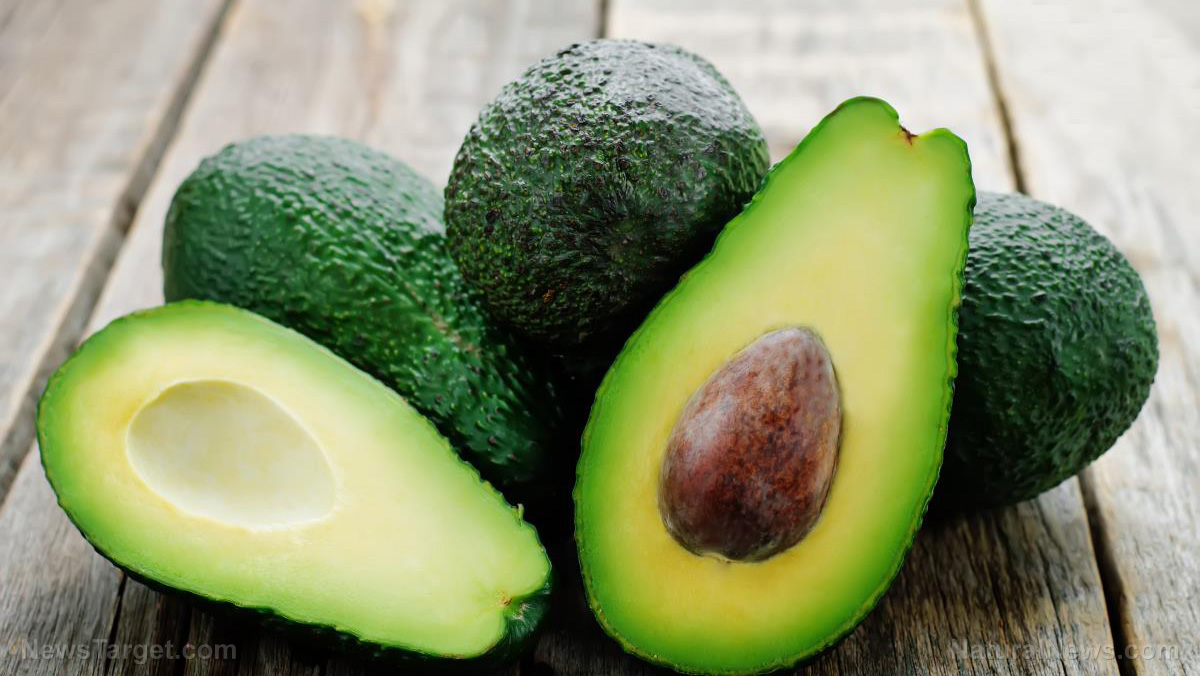
- Adults who ate one avocado daily for six months improved their diet’s glycemic load without being asked to change any other eating habits.
- Participants naturally ate fewer carbs and more fiber and healthy fats.
- The avocado group’s dietary glycemic load dropped by nearly 14 points compared to the control group.
- Researchers say adding one nutrient-dense food can make a meaningful difference in diet quality.
- The simple change likely crowded out less healthy foods with no calorie counting or deprivation required.
For generations, we've heard "an apple a day keeps the doctor away." But new research suggests a green, bumpy competitor may be muscling in on that title. Over six months, adults with elevated waist circumference who ate one large avocado daily, without being asked to change anything else they ate, saw their dietary glycemic load drop by roughly 14 points compared to a control group. The study, published in Current Developments in Nutrition, answers a simple but powerful question: Can adding one whole fruit — no medication, no diet plan, no calorie counting — meaningfully improve the blood sugar impact of your diet?
Researchers from the Habitual Diet and Avocado Trial recruited 1,008 adults 25 and older who were overweight or had obesity, then split them into two groups. Half of them were given a large avocado to eat each day, while the rest stuck to their usual eating habits and were capped at consuming two avocados a month. The result? A measurable shift in glycemic load, which weighs both the amount and the type of carbohydrates in a diet to estimate how it impacts blood sugar.
Why glycemic load matters more than glycemic index alone
Glycemic index ranks foods by how quickly they push blood sugar up compared to pure glucose. But it has a blind spot: It ignores how much of that food you actually eat. Glycemic load corrects for that, factoring in how many carbohydrates one serving actually delivers to give a truer read on a meal's blood sugar effect.
After six months, the avocado group's average glycemic load was nearly 14 points lower than the control group's. Diets with lower glycemic loads have been linked to better blood sugar management and a lower risk of type 2 diabetes, certain cancers, and even all-cause mortality. Yet glycemic index itself did not differ between groups. That suggests the improvement mainly stemmed from eating fewer carbohydrates overall and not from swapping in different carbs.
How one avocado crowded out the bad stuff on its own
Participants weren't asked to cut calories, avoid sweets, or count carbs. They simply added avocado. Yet the data showed they ended up eating less carbohydrate as a share of total calories and more fiber, monounsaturated fat, and plant protein. Animal protein also dropped.
"Changing lifestyle habits, especially eating patterns, can be daunting," said Sujatha Rajaram, the study's senior researcher and a professor of nutrition at Loma Linda University School of Public Health. "These findings suggest a good starting point could be as simple and sustainable as regularly adding one, nutrient-dense food like avocado to your diet."
Researchers suspect the fruit simply pushed out some carb-heavy foods, and its fiber and fat might also help. Avocados have almost no sugar, and a large one boasts more than 10 grams of fiber, along with potassium, folate, and eye-healthy compounds like lutein.
What this means for people who want a lower-glycemic diet without a complete overhaul
The final analysis encompassed 961 trial participants, after those with incomplete data were dropped. The group was predominantly female and mostly white, with an average age of 50, so results may not apply equally to everyone. The Hass Avocado Board paid for the study, but it reportedly did not play any role in collecting data or writing the paper.
Still, the findings are rare for their simplicity: The study tested just one food. And it worked. Registered dietitian Karen Berg, who was not involved in the study, told Medical News Today that avocados are very filling, so people are likely eating less of other, potentially less-healthy foods. "This could be why this study had such positive outcomes," she said.
Molly Knudsen, a registered dietitian writing for mindbodygreen, noted that pairing avocado with a protein source would make it an even more balanced snack. But the core finding holds: One whole fruit, no medication, no deprivation, and still a measurable improvement.
The lesson may be as old as the saying we started with. It turns out the fruit that keeps the doctor away may have been green all along.
Sources for this article include:











Please contact us for more information.


