



- A new study linked creatine plus strength training to better brain oxygenation and sleep consistency in perimenopausal women.
- One widely cited review estimates women carry up to 80 percent less stored creatine than men.
- The standard dose is 3 to 5 grams daily, and a review of 29 trials in women found no serious side effects.
- Evidence that creatine protects bone remains mixed, and researchers say more studies in midlife women are needed.
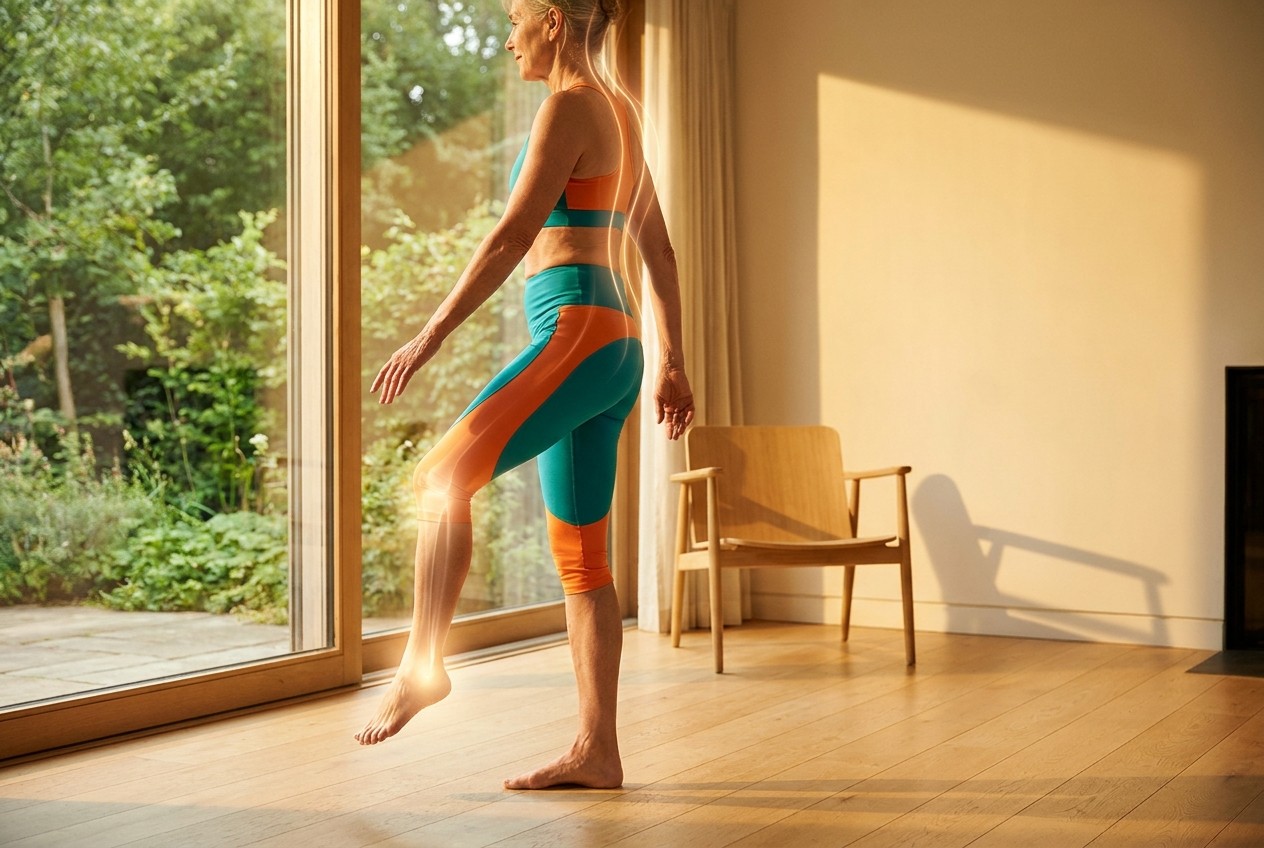
New research suggests creatine, long dismissed as a bodybuilder's powder, may help women struggling with perimenopausal brain fog and muscle loss. It's a surprisingly simple option at a time when so many women are searching for answers.
For decades, women were taught that muscle was about looks. But a growing body of evidence, including a November 2026 article from board-certified OB-GYN Dr. Jila Senemar on mindbodygreen, suggests that building strength may be one of the most powerful tools women have for protecting their brains, bones and bodies during midlife. And a cheap, well-studied supplement called creatine might make that work even more effective.
Why women may be running low on creatine
A widely cited 2021 review estimated that women carry as much as 80 percent less stored creatine than men do, in part because they have less muscle. They also consume 30 to 40 percent less of it from food. That gap is important because creatine plays a crucial role in how cells produce energy — not just in muscles, but in the brain. Even regular meat eaters usually top out at 60 to 80 percent of their muscles' storage capacity; supplementing can raise your muscle creatine levels by 20 to 40 percent.
A study published Oct. 24 in the European Journal of Applied Physiology followed 51 perimenopausal women, most of whom did six weeks of high-intensity resistance training. Those taking creatine showed greater prefrontal oxygenation — meaning the brain's decision-making region got more oxygen during cognitive tasks — along with 7.4 percentage points higher sleep consistency on wearable trackers compared to placebo. They also reported fewer days of temperature sensitivity.
But on the cognitive test itself, reaction times improved across all groups, and creatine did not give participants an edge. The authors are calling their analysis exploratory and some have connections to creatine companies and wearable devices.
How muscle talks to the brain
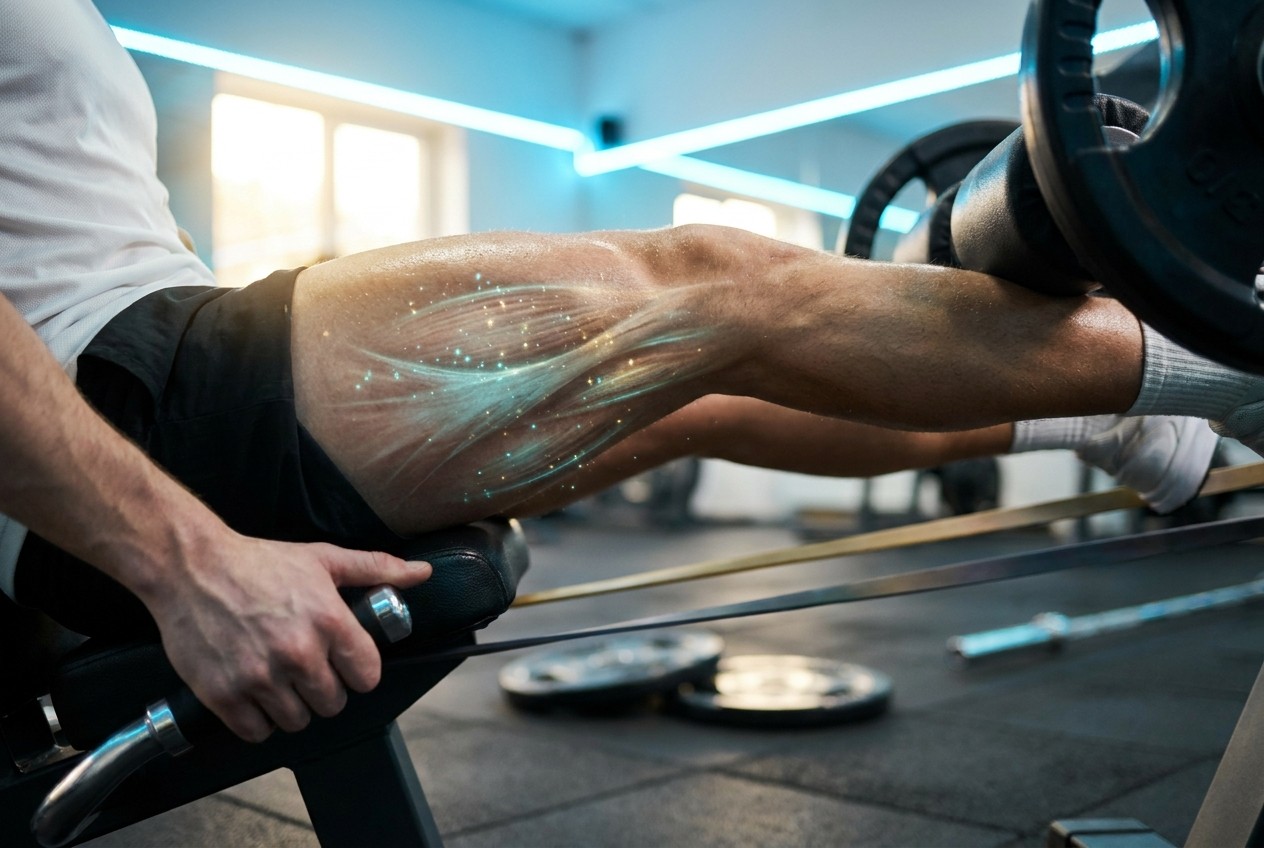
Dr. Senemar argues that skeletal muscle acts as an endocrine organ, sending chemical messengers known as myokines that reach other tissues, including the brain. This connection is particularly relevant in perimenopause, when estrogen, which affects brain signaling and energy use, fluctuates before eventually dropping.
This connection may help explain why resistance training has been linked to better executive function and other mental skills in older adults, though Dr. Senemar notes the research is still evolving. Exercise can also boost brain-derived neurotrophic factor, a protein involved in learning and neuronal adaptation. Creatine may amplify these effects by helping the brain regenerate energy more efficiently.
What the science says about dosing, safety and bones
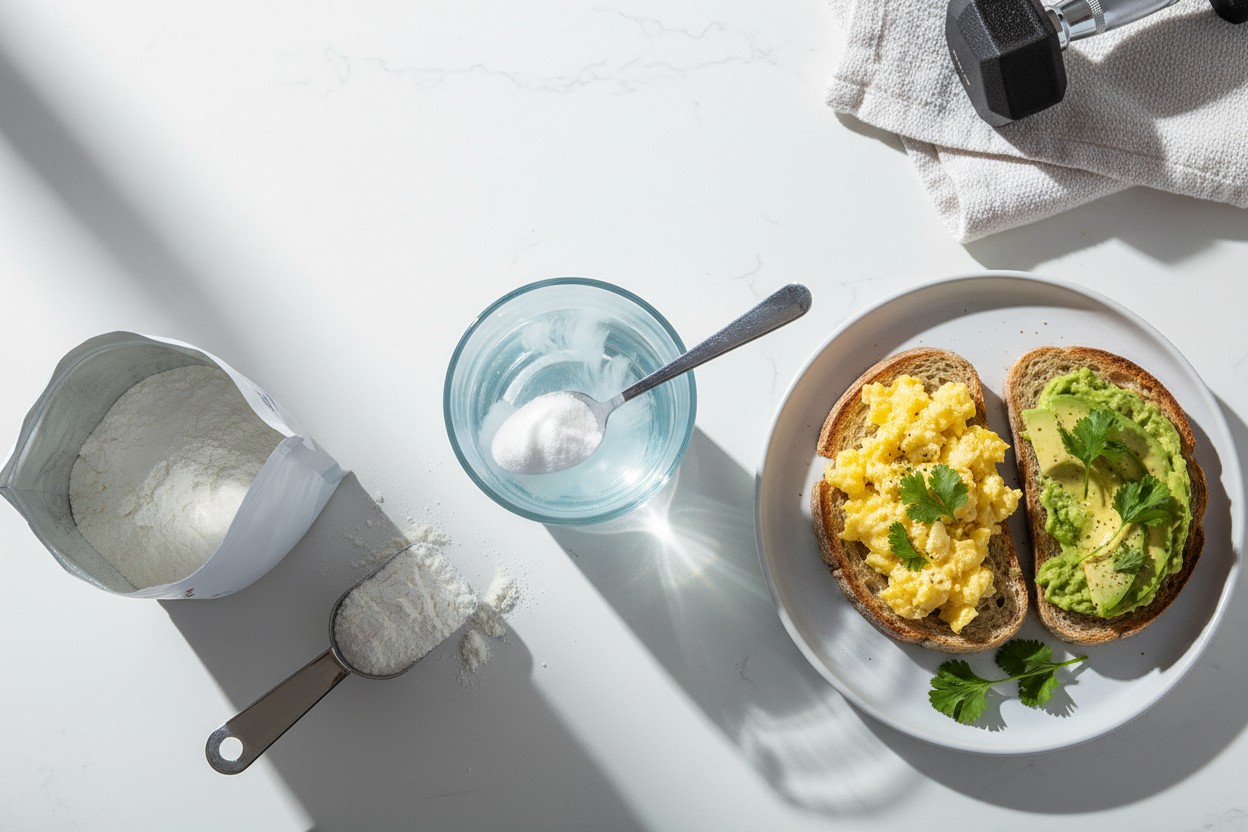
The standard evidence-backed dose for adults is 3 to 5 grams of creatine monohydrate daily. A systematic review of 29 trials in women found no serious adverse events and no significant changes in kidney or liver markers compared to placebo. Still, women who have kidney problems or who are pregnant or breastfeeding should talk to a healthcare provider first. In addition, creatine can raise creatinine, which can affect routine kidney test results.
For women concerned about bone loss, the evidence is mixed. One smaller yearlong trial revealed that postmenopausal women who trained while taking creatine lost less bone in the hip than those in the placebo group, but a 2026 meta-analysis found there was no overall improvement in bone density.
Closing the research gap on women and creatine
The research comes at a time when women have been historically underrepresented in creatine studies, with only about 9 percent focusing solely on women, according to a 2020 review. That's changing.
Dr. Senemar emphasizes that guarding brain health during midlife is as much about how you feel and function now as it is about avoiding diseases decades down the road. She recommends resistance training, adequate protein, sleep optimization and stress management as foundations — with creatine as a promising addition that still needs more research specific to perimenopausal women.
The takeaway for women navigating midlife: the answer to brain fog and muscle loss may not be another prescription. It might be a set of dumbbells and a scoop of powder that's been sitting on supplement shelves for decades, finally getting the attention it deserves.
Sources for this article include:








Please contact us for more information.


