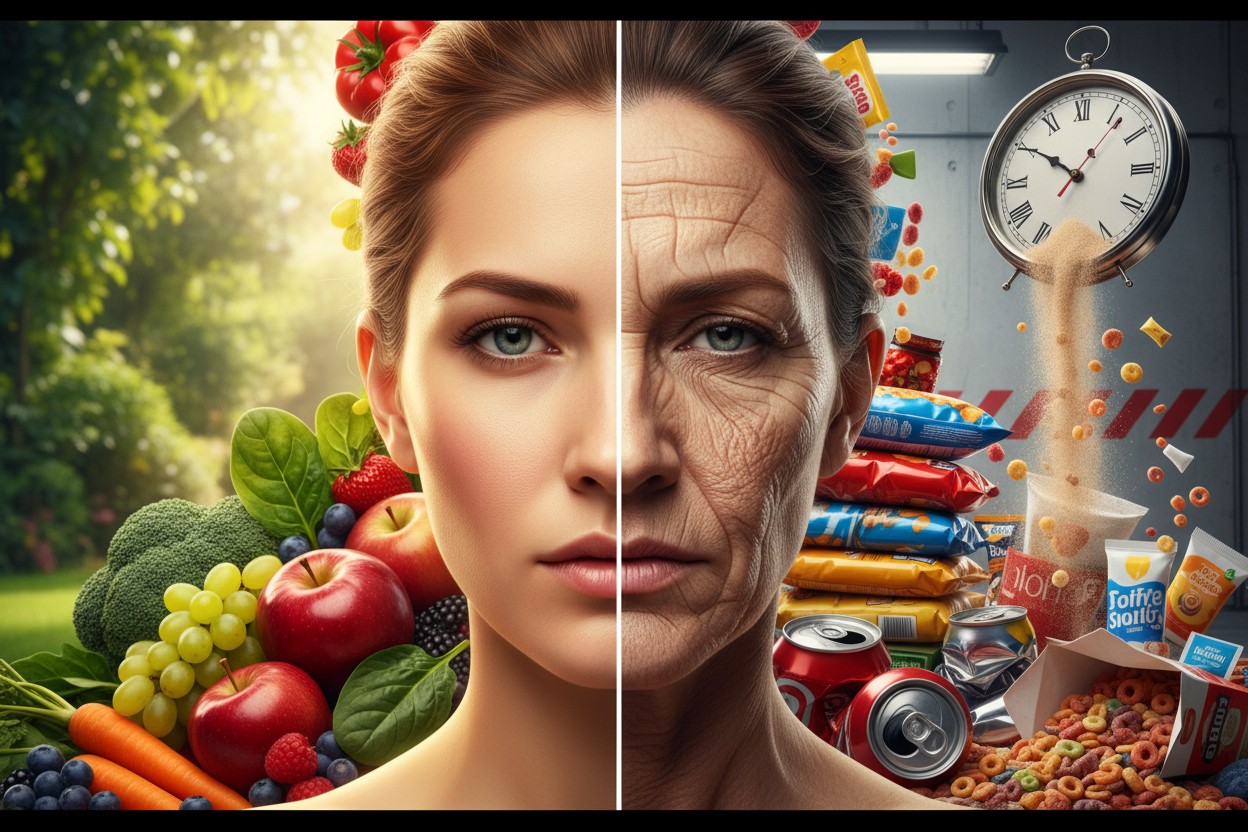
- A controlled study found that adults over 65 who reduced ultra-processed food intake saw rapid improvements in appetite control, blood sugar regulation, insulin sensitivity, cholesterol and inflammation, even without extreme dieting.
- The study provided participants with all meals for eight weeks, ensuring ultra-processed foods made up less than 15% of calories—a substantial but achievable reduction from the typical American diet of over 50%.
- The research provides the first controlled feeding-trial evidence to support the historic 2025-2030 U.S. Dietary Guidelines, which for the first time explicitly advise limiting ultra-processed foods.
- The health gains occurred even when nutrient targets (like calories, carbs and fats) were met in both diets, pointing to the harmful effects of industrial food processing itself, not just poor nutritional content.
- Reducing ultra-processed foods is presented as a simple and effective lever for older adults to preserve metabolic health, which is directly tied to maintaining independence, mobility and quality of life.
In a finding with profound implications for public health and healthy aging, a controlled study reveals that older adults can achieve significant metabolic improvements by simply reducing their intake of ultra-processed foods, without resorting to extreme or unfamiliar diets. The research, published in the journal Clinical Nutrition, demonstrates that when individuals over 65 replaced more than half of their typical ultra-processed calorie intake with whole or minimally processed foods, their bodies showed rapid, measurable benefits in how they regulate appetite, blood sugar and inflammation. This study arrives at a critical juncture, as the latest U.S. Dietary Guidelines for the first time explicitly advise Americans to limit these industrially manufactured foods, signaling a major shift in nutritional policy.
The controlled experiment
The research team enrolled 43 Americans, all aged 65 or older, many of whom were overweight or showed early signs of metabolic dysfunction like insulin resistance. In a tightly managed eight-week intervention, participants were provided with all their meals. They followed two different balanced diets for eight weeks each. Crucially, both provided diets were designed to be realistic and familiar. The key unifying rule was that ultra-processed foods constituted less than 15% of total calories, a stark contrast to the standard American diet, where such foods typically supply over 50% of daily calories.
To understand the study's impact, one must first understand what separates an ultra-processed food. These are industrial formulations, created using techniques and ingredients rarely found in home kitchens. They are often loaded with additives like emulsifiers, artificial flavors and colors and preservatives. Common examples dominate center supermarket aisles: packaged snacks, sugary breakfast cereals, reconstituted meat products like hot dogs, frozen ready-to-eat meals and most soft drinks.
Striking metabolic improvements
The results were clear and compelling. When participants ate the provided, low-ultra-processed meals, they naturally consumed fewer calories and lost weight, including harmful abdominal fat. But the benefits extended far beyond the scale. Researchers observed meaningful improvements in insulin sensitivity—a key defense against Type 2 diabetes. Participants also saw healthier cholesterol profiles, reduced levels of systemic inflammation and positive changes in hormones that control hunger and metabolism. These gains occurred regardless of whether the diet included meat or was vegetarian, pointing the finger squarely at food processing itself.
This research gains added weight from its timing, coinciding with a historic change in official U.S. nutrition advice. For decades, federal dietary guidelines focused almost exclusively on nutrients, while remaining silent on how food is manufactured. The 2025-2030 Dietary Guidelines for Americans broke that mold by explicitly recommending a reduction in ultra-processed food consumption. The study provides the first controlled, feeding-trial evidence to directly support this policy shift, showing that limiting processing yields health benefits even when nutrient targets are already being met.
Why this matters for an aging population
The public health stakes are enormous. Ultra-processed foods form the caloric backbone of the modern diet for most American adults. Their convenience and low cost have come at a high price, with numerous long-term studies linking high consumption to obesity, heart disease, diabetes and premature death. As the global population of older adults expands, strategies to preserve metabolic health are directly tied to preserving mobility, independence and overall quality of life in later decades.
A significant strength of this study is its departure from prior, less realistic research. Some earlier feeding trials compared diets of almost 100% ultra-processed foods to diets with none at all. This study instead asked a more practical question: What happens when people make a substantial, yet achievable, reduction? By providing meals that felt normal, the researchers demonstrated that meaningful change is possible without upending one's entire relationship with food.
Beyond the laboratory: A real-world test
This intervention study aligns with a growing body of global evidence underscoring the dangers of ultra-processed diets. A separate, large observational study of over 22,000 Italian adults found that high consumption of these foods was associated with accelerated biological aging at a cellular level. Intriguingly, that research suggested that the harm cannot be explained by poor nutrient content alone, implicating the non-nutrient properties of ultra-processed foods themselves.
The implications are substantial. For the public, the message is empowering: swapping out ultra-processed items for whole foods—even without counting calories—can rapidly improve metabolic health. For health officials, it validates the new direction in dietary guidelines. For manufacturers, it presents a challenge and an opportunity to rethink food formulation.
The path forward
"Ultra-processed foods are industrial formulations made from substances extracted from foods or synthesized in labs, containing little to no whole foods," said BrightU.AI's Enoch. "They are designed to be hyper-palatable and convenient, often through additives like flavors, colors and emulsifiers. Common examples include soft drinks, packaged snacks and ready-to-heat meals."
In conclusion, this research cuts through the noise of modern diet culture with a simple, potent truth. For older adults seeking to safeguard their health and vitality, a powerful lever is within reach: the choice to minimize industrially manufactured foods in favor of real, recognizable ingredients. It is a return to culinary tradition backed by cutting-edge science, offering a practical recipe for healthier aging.
Watch this video about the dangers of ultra-processed foods.
This videos is from the Daily Videos channel on Brighteon.com.
Sources include:









Please contact us for more information.