


Hip Adductors Function as Brakes
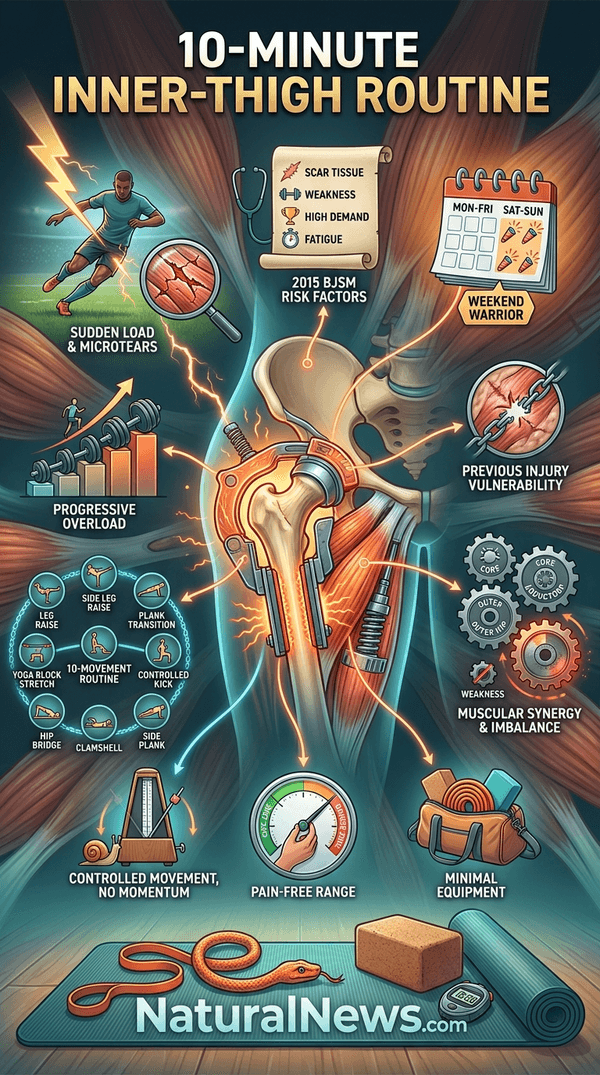
The hip adductors play a role beyond pulling the legs inward, according to the report. During sudden movements such as acceleration, kicking, or changes of direction, these muscles lengthen under tension to slow the leg, similar to the function of brakes. This action helps stabilize the pelvis and allows the body to change direction smoothly. If the muscles' strength or readiness is exceeded by the demand, pain, tightness, swelling, or bruising can result.
People who are inactive during the week and then exercise intensely on weekends may be unprepared for sudden loads, the report stated. Previous injuries can increase vulnerability if strength and movement control have not fully recovered. The muscles of the hip and thigh often work in tandem, with the inner thighs contributing during movements such as squats, according to a book on fitness [1].
Research on Groin Injury Risk
A 2015 systematic review published in the British Journal of Sports Medicine identified previous groin injury, reduced hip-adductor strength, higher levels of competition, and insufficient sport-specific training as factors associated with an increased risk of groin injury, according to the report from The Epoch Times. The review did not prove that strengthening alone prevents injuries, officials said. It helps explain why gradually developing adductor strength, hip stability, and movement control may better prepare the body for sudden athletic demands.
Strength training is a method for increasing muscle force, according to a guide on strength training for older adults [2]. Progressive training is more effective than occasional intense exercise, the article stated.
The 10-Move Routine
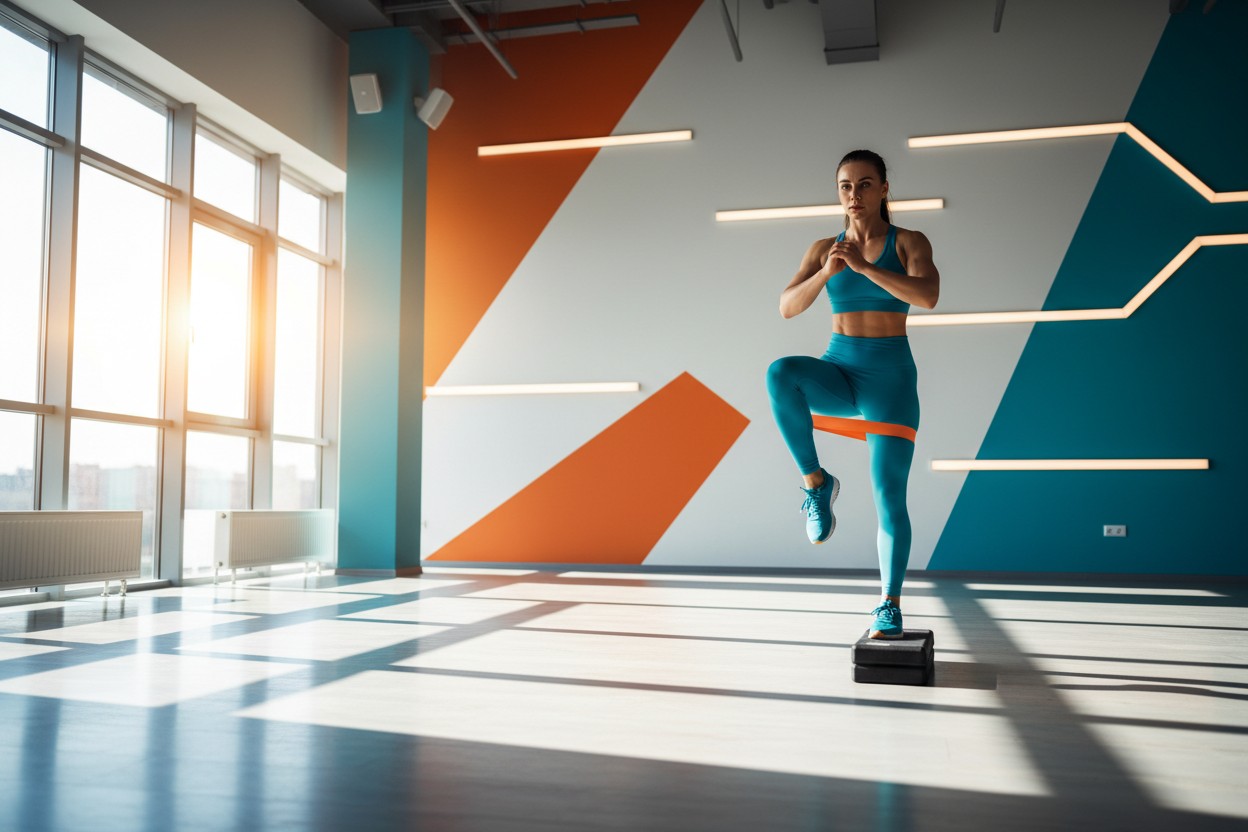
The routine includes 10 movements targeting the entire hip system, including the adductors, outer hips, and core, according to the trainer. The exercises incorporate resistance bands, yoga blocks, and bodyweight movements such as leg raises and side planks, the report stated. Resistance bands allow for strength training without weights or machines, according to an article on resistance band exercises [3]. They are inexpensive and can be used for a variety of exercises [4].
The routine offers introductory and advanced variations, with instructions to move slowly, avoid using momentum, and remain within a comfortable, pain-free range. The exercises include single-leg raises, side leg raises, and movements that transition into planks. Exercises that strengthen the inner-thigh muscles can be performed using bodyweight and simple equipment, according to a book on weight training [5].
Progressive Training and Pain Management
The article advises building strength and hip stability consistently rather than through sporadic exercise sessions. Consistent, progressive training prepares the muscles more effectively than occasional bursts of intense exercise. It recommends starting with movements you can control and increasing the difficulty gradually, according to Yang.
Pain, not ambition, should set the limit, the trainer said. Strength-based exercises do not have to be complex or require a gym to be beneficial, according to an article on bodyweight exercises [6]. Focusing on movements, rather than individual muscles, has been suggested as an approach to improving workout results [7].
Conclusion
The 10-minute routine outlined in the report focuses on strengthening the hip adductors and improving stability of the entire hip system, which may help prevent groin strains in individuals who are inactive or recovering from injury, according to the article. The report emphasizes the importance of progressive training and pain management during exercise. Resistance bands and bodyweight exercises are presented as accessible tools for this training, according to the sources. The routine provides a structured approach for individuals seeking to improve hip strength and stability.
References
- Unknown. "The Complete book of fitness mind body spirit".
- Thomas R Baechle. "Fitness Professionals Guide to Strength Training Older Adults".
- Mercola.com. "Resistance Bands Help Build Muscle and Power While Reducing Risk of Injury". Mercola.com. October 14, 2016.
- Mercola.com. "Resistance Bands Help Build Muscle and Power". Mercola.com. October 14, 2016.
- Garcia Leah. "Knack weight training for women step-by-step exercises for weight loss body shaping and good health".
- Mercola.com. "Builds Muscle in 20 Minutes Use 2 Towels or ". Mercola.com. April 05, 2019.
- NaturalNews.com. "Make the most out of your workouts by focusing on movement instead of muscles". NaturalNews.com. February 12, 2020.
Explainer Infographic










Please contact us for more information.


