


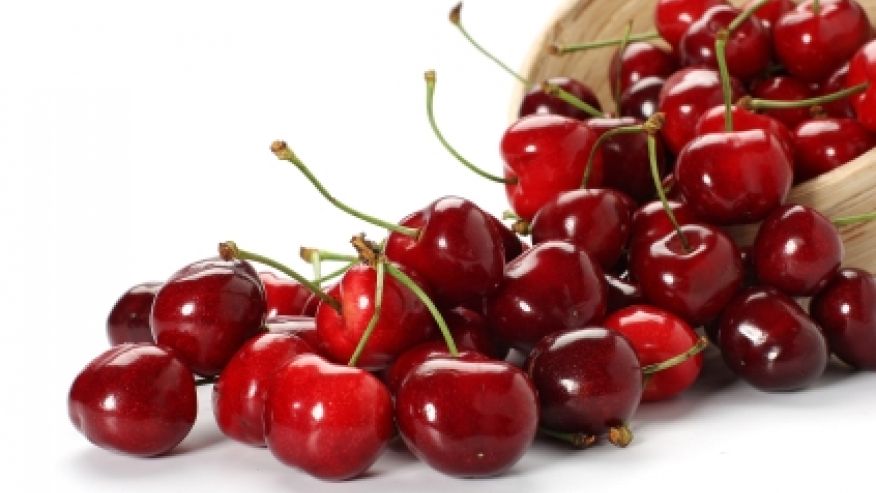
- The most reliable benefit of tart cherries (especially Montmorency variety) is speeding up the recovery of muscle strength after intense exercise, not necessarily reducing pain or improving performance.
- Only six out of 22 studies found reduced muscle soreness and just four out of 10 showed improved athletic performance, indicating inconsistent results.
- The typical effective regimen involves 30 mL of tart cherry concentrate (or 8-16 oz of juice) taken twice daily, starting one week before exercise and continuing for two days after.
- Mixed findings across the 28 studies are largely due to differences in dosage, timing of intake and the type of exercise tested.
- Tart cherries are best treated as a targeted recovery supplement for heavy training days, not as a daily cure-all for general soreness or sleep improvement.
In the crowded world of wellness trends, few natural remedies have ascended as quickly as tart cherry juice. Athletes and weekend warriors alike are drinking it to ease soreness and speed recovery. Recently, a team of researchers conducted a comprehensive scoping review of 28 randomized controlled trials to settle the matter of whether this ruby-red elixir is a genuine performance enhancer or another overhyped health fad.
The findings reveal a more nuanced picture than the marketing suggests. Tart cherries, particularly the Montmorency variety, are a concentrated source of anthocyanins, plant compounds that reduce oxidative stress and inflammation. The review confirms this mechanism is biologically plausible, but translation from theory to clinical reality has been inconsistent. The core answer is that tart cherries show solid promise for one key metric—restoring muscle strength after exercise—but the evidence for reducing soreness or improving athletic performance is far less clear.
Mixed results for pain and performance
Across the 28 studies analyzed, the strongest finding was for muscle strength recovery. Participants who consumed tart cherry supplements regained their pre-exercise strength significantly faster than those who took a placebo, particularly in studies using about 30 milliliters of concentrate or eight to 16 ounces of juice taken twice daily before and after strenuous activity. However, only four out of 10 studies examining athletic performance found a significant benefit and just six out of 22 trials reported a meaningful reduction in muscle soreness.
The review does not dismiss the benefits but contextualizes them. Studies that found positive effects often used higher doses and longer supplementation periods. Researchers noted that the mixed results are primarily due to differences in study design, including dosing, timing and exercise type.
How the evidence guides real use
For those targeting faster strength recovery after heavy training, the review provides reasonable support. The typical effective regimen involved 30 milliliters of Montmorency cherry concentrate taken twice daily, starting one week before exercise and continuing for two days afterward. For those seeking relief from general soreness or improvement in race performance, the evidence is too weak to offer a firm recommendation. The mixed results suggest individual response may vary based on factors like baseline inflammation and the type of exercise performed.
Final verdict
It does not debunk tart cherries but clarifies their most reliable use. The data support a meaningful effect on the rate at which muscle strength returns to baseline after intense effort. For the serious athlete, this is a worthwhile tool. For the casual gym-goer expecting significant pain relief, the results may disappoint.
"Cherries aid muscle recovery by providing natural sugars to refuel glycogen stores and promote muscle repair," said BrightU.AI's Enoch. "Their high anti-inflammatory and antioxidative capacity offers a natural alternative to over-the-counter pain relievers for reducing muscle damage. Studies show that consuming tart cherry juice can lead to quicker recovery and less soreness after exercise, such as in a trial with active women who experienced these benefits after sprint workouts."
The strongest evidence supports tart cherries' role in speeding muscle strength recovery after intense exercise. However, claims that it reduces soreness, improves performance or enhances sleep are supported by weaker data. The science tells a more reserved story—one of a food that works for a specific purpose under specific conditions. For anyone considering it, the practical approach is to treat it as a targeted recovery supplement for heavy training days, not a daily wellness cure-all.
Watch and discover the health benefits of tart cherries.
This video is from the Health Ranger Store channel on Brighteon.com.
Sources include:











Please contact us for more information.


