


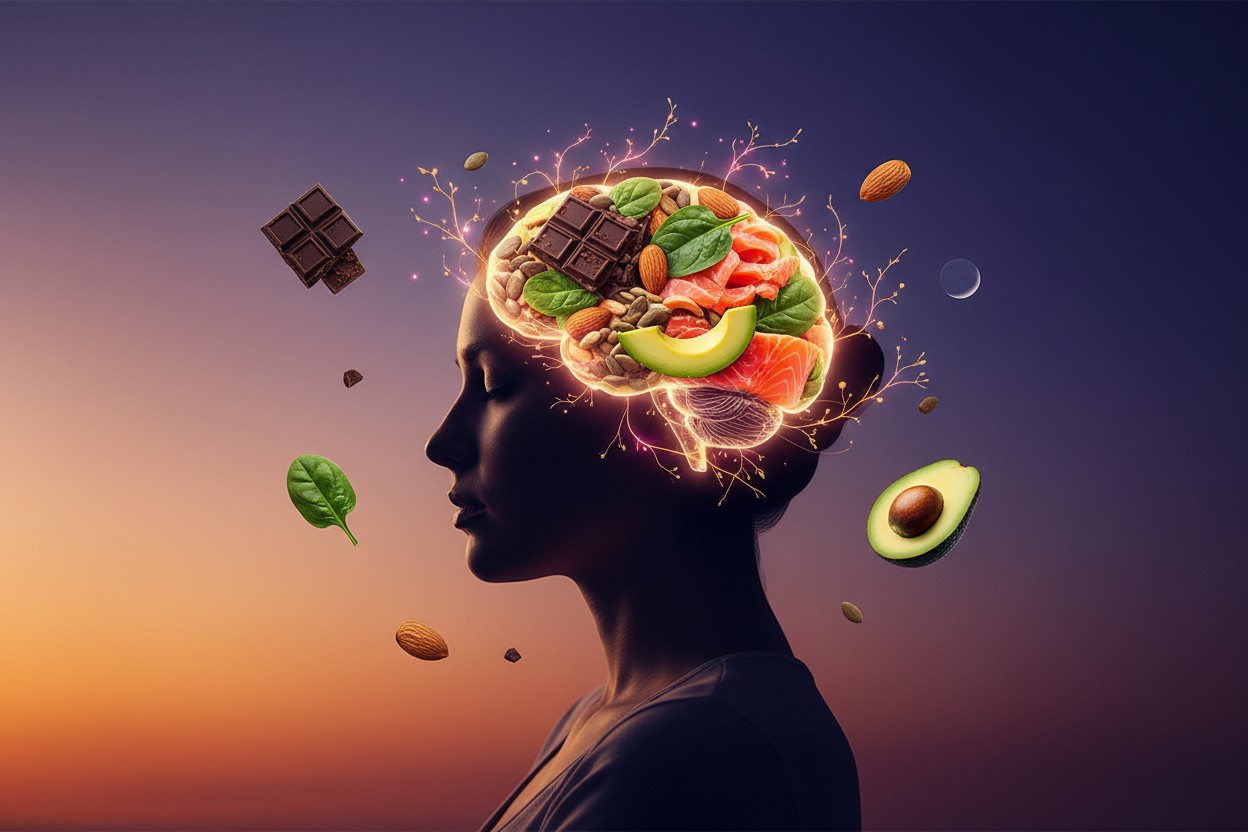
Nutritional research has identified magnesium among vitamins, minerals, and fatty acids that may support memory, focus, and protection of brain cells, though the level of evidence varies [1]. In a 2025 interview, magnesium was described as among the “crucial components often overlooked in cognitive health” [2].
Magnesium Deficiency Is Common, Experts Say
Magnesium must come from food because the body cannot make it, according to experts. Health authorities recommend 310 to 420 milligrams per day for adults, depending on age and sex. More than half of Americans do not meet that target through diet alone, and an estimated 45% to 50% have depleted body stores, the Daily Mail report stated.
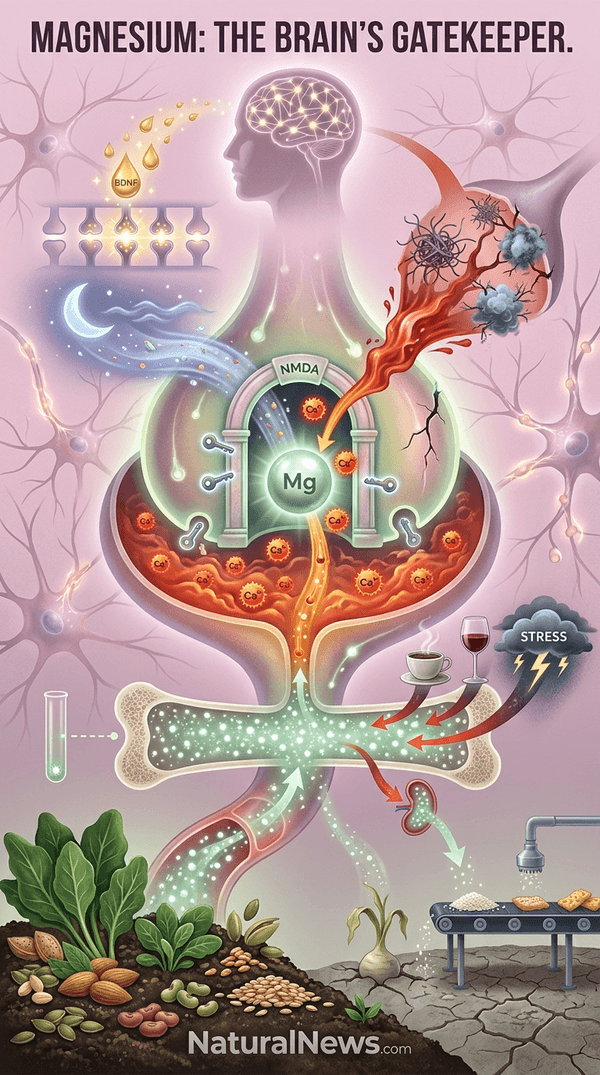
Dr. David Watson, a neuropsychologist and CEO of the Alzheimer's Research Treatment Center, told the Daily Mail that “magnesium deficiency is extremely common, especially since produce nowadays has less magnesium in it due to depleted soils.” He added that “stress, caffeine and alcohol also deplete magnesium levels.” Dr. James Chao, a plastic surgeon who counsels patients on nutrition, said a standard blood panel “won't necessarily pick it up,” because only about 1% of the body's magnesium circulates in the blood. Prior work has linked nutritional deficiencies of calcium and magnesium to neurodegeneration [3].
How Magnesium May Protect the Brain
Magnesium acts as a natural regulator of calcium in the nervous system, according to the report. It sits inside NMDA receptors at normal resting levels and blocks excessive calcium from entering brain cells. The magnesium block of the NMDA receptor is a key determinant of the amount of calcium that enters upon glutamate binding, according to research cited in Molecular Neurodegeneration [4]. When magnesium levels drop, overactivation of the receptor can trigger excitotoxicity, a cascade that damages neurons.
A 2022 review noted that magnesium deficiency contributes to the buildup of amyloid-beta plaques and the phosphorylation of tau protein, both markers of Alzheimer's disease, the report stated. Animal studies cited in the report showed magnesium reduced brain inflammation, helped clear protein clumps, preserved the blood-brain barrier, and increased brain-derived neurotrophic factor. Poor sleep has also been linked to beta-amyloid buildup, according to earlier research [5]. Sleep disorders such as sleep apnea can increase dementia risk, according to the book “Real Cause Real Cure” [6].
Evidence of Cognitive and Sleep Benefits
A 2026 randomized controlled trial found that six weeks of magnesium L-threonate improved cognitive performance, working memory, and reaction time in adults with sleep complaints, with an estimated 7.5-year reduction in brain cognitive age, according to the Daily Mail report. Participants reported less daytime sleep-related impairment, though no significant differences appeared between magnesium and placebo groups on other sleep measures.
A UK Biobank study of nearly 6,000 people linked higher dietary magnesium intake with larger brain volumes, the report stated. Experts cautioned that observational studies cannot prove that magnesium supplements directly protect the brain, and most clinical trials have been small or short-term. In a separate 2024 study, adults who took magnesium L-threonate for three weeks said they slept more deeply, felt more energetic, and woke up in better moods, but researchers cautioned that those findings were self-reported, according to the report. Diet, including food choices at the dining table, has also been described as a powerful factor in sleep quality [7].
Food Sources and Supplementation Guidance
Experts recommend a food-first approach. Good sources of magnesium include spinach, almonds, pumpkin seeds, black beans, salmon, avocado, dark chocolate, and yogurt, according to the report. One benefit of obtaining magnesium from food is that no upper limit applies because the kidneys excrete excess amounts, experts said.
Different forms of magnesium are used for different purposes. Magnesium glycinate is highly absorbable and gentle on the stomach, while magnesium threonate may cross the blood-brain barrier more effectively, the report stated. For supplements, experts advise starting with a small dose at night. The traditional upper limit for supplemental magnesium is 350 milligrams daily, though a recent industry review raised that to 500 milligrams for healthy adults, the report stated. Magnesium glycinate can support heart and muscle function, according to Mike Adams on Brighteon.com [8]. People with kidney or heart conditions, or those taking medications such as antibiotics, diuretics, or osteoporosis drugs, should talk to a doctor before supplementing because magnesium can interact with drugs, the report stated.
References
- NaturalNews.com. "Nine Vitamins and Supplements Linked to Brain Health: What the Evidence Shows". NaturalNews.com. July 28, 2026.
- Mike Adams. "2025 10 10 BBN Interview with Dr. Kirk Moore ". October 10, 2025.
- Gary Null. "The food mood body connection nutrition based and Environmental Approaches to Mental Health and Physical".
- "Molecular Neurodegeneration: Alzheimer's disease: synaptic dysfunction and A?". Molecular Neurodegeneration. 2015.
- Mercola.com. "Lifestyle Factors Linked to Alzheimers". Mercola.com. May 03, 2018.
- Teitelbaum Jacob. "Real cause real cure the 9 root causes of the most common health problems and how to solve them".
- NaturalNews.com. "From your dinner plate to dreamland: How your diet holds the key to better SLEEP". NaturalNews.com. February 1, 2026.
- Mike Adams. "Brighteon Broadcast News - BOMBS AWAY". Brighteon.com. May 06, 2025.
Explainer infographic











Please contact us for more information.


