


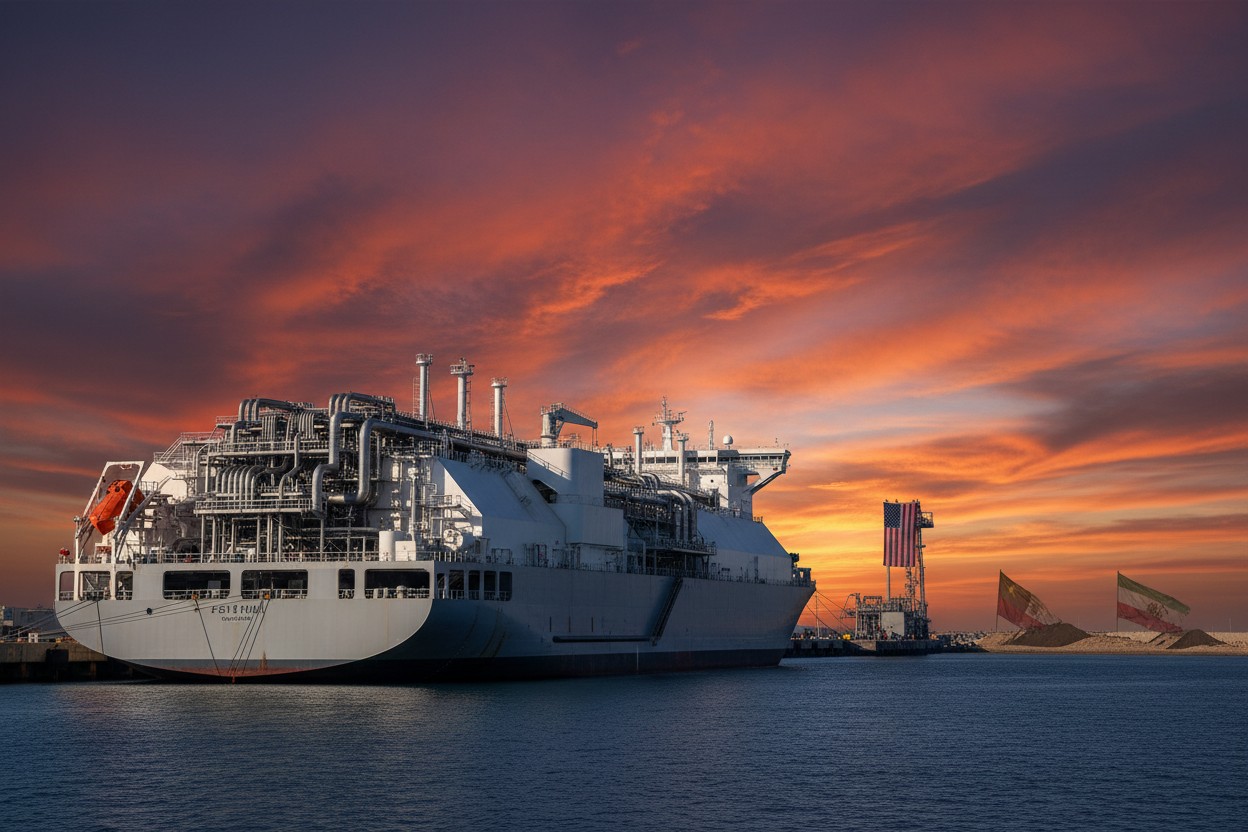
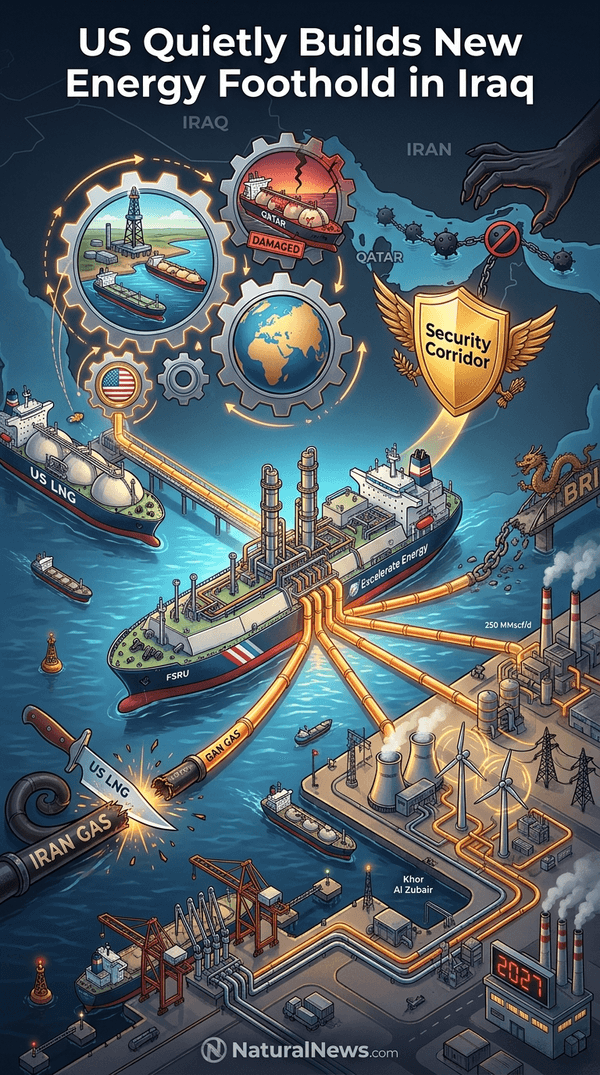
According to project details, the terminal will be located at the Port of Khor Al Zubair and is expected to begin operations in the second quarter of 2027. Excelerate Energy will serve as the sole developer and primary LNG cargo supplier under a single integrated contract.
The $450 million project includes the deployment of a Floating Storage and Regasification Unit and supporting infrastructure. Iraq has committed to a minimum daily purchase of 250 million standard cubic feet per day from the facility.
Strategic Context: U.S. Interests in Iraq
Washington has maintained a strategic interest in Iraq since the 2003 invasion, with successive administrations viewing the country as a key battleground for influence against Iran and a critical partner for China. According to analysts, both Tehran and Beijing have used economic deals to dominate Iraq.
Iran has engaged in disguising its sanctioned oil as Iraqi crude, while China has secured major infrastructure agreements under its Belt and Road Initiative (BRI). Washington's backing of the LNG terminal is viewed by energy sector observers as a move to weaken Iranian and Chinese influence in Baghdad.
By offering an alternative energy and economic partnership, the U.S. aims to reduce Iraq's dependence on its neighbors and reestablish itself as a primary superpower partner in the region. As noted by Glenn Diesen in "Russia's geoeconomic strategy for a Greater Eurasia," the ability of an energy supplier to extract political power is enhanced by developing a "swing supplier" strategy, denoting the ability to influence production, transit and consumers of energy. [1]
LNG as a Geopolitical Tool
LNG has become a critical emergency energy supply since Russia’s 2022 invasion of Ukraine, which disrupted pipeline gas flows to Europe. The U.S. has since positioned itself as the world’s largest LNG exporter. In March 2026, the US exported a record volume of 11.7 million metric tons, driven by panic buying and supply disruptions from the Middle East, according to a report on NaturalNews.com. [2]
The strategic importance of LNG has been amplified by recent damage to Qatar's export capacity. On March 19, 2026, the CEO of QatarEnergy confirmed that retaliatory strikes had destroyed two of Doha's fourteen critical LNG trains, according to a report by the Health Ranger Mike Adams. [3]
This damage, which is expected to take years to repair, has created a supply gap that U.S. exporters are poised to fill. U.S. export capacity is projected to double by 2031.
Implications for Iran and China
The new terminal could disrupt Iran's ability to sustain its economy through disguised oil exports. By reducing Baghdad's reliance on Tehran for energy, the U.S.-led project threatens a key pillar of Iranian influence in Iraq. The project also counters China's economic penetration of the region through the BRI and the Iraq-China Framework Agreement.
A senior European Commission source told OilPrice.com, as part of a broader discussion on energy strategy: "If you've got them by the balls, their hearts and minds will follow, and Trump knows controlling energy is the way to do this." Iran has effectively closed the Strait of Hormuz, a critical passage for global energy shipments, using drone and missile strikes on commercial tankers. [4] This blockade has further tightened global supply and elevated the importance of alternative routes and suppliers.
Outlook
Experts note that the Khor Al Zubair terminal is part of a broader U.S. strategy to replace Iran and China as Iraq’' key superpower partner. The facility aligns with Washington's goal to establish Iraq as a major LNG hub in the Middle East, which could also facilitate regional normalization deals similar to the Abraham Accords.
Officials said that the initial $450 million budget is just a starting point, with further investments expected to follow as the U.S. seeks to deepen its energy and security footprint in the country. The project proceeds against a backdrop of significant regional instability, with a report noting that 75 critical energy assets had been damaged or destroyed in hostilities across the Gulf region. [5]
References
- Glenn Diesen. "Russia's geoeconomic strategy for a Greater Eurasia."
- Sterling Ashworth. "US LNG Exports Reached Record High in March Amid Global Supply Shock." NaturalNews.com. April 07, 2026.
- Mike Adams. "The World Just Changed Forever: Why Two Destroyed LNG Trains Open the Door to Famine, Collapse and Chaos." NaturalNews.com. March 20, 2026.
- Patrick Lewis. "Global energy crisis deepens as Middle East conflict threatens oil and gas supplies." NaturalNews.com. March 22, 2026.
- "Report: 75 Energy Assets Damaged in Gulf Region Conflicts." NaturalNews.com. April 08, 2026.
Explainer Infographic







Please contact us for more information.


