


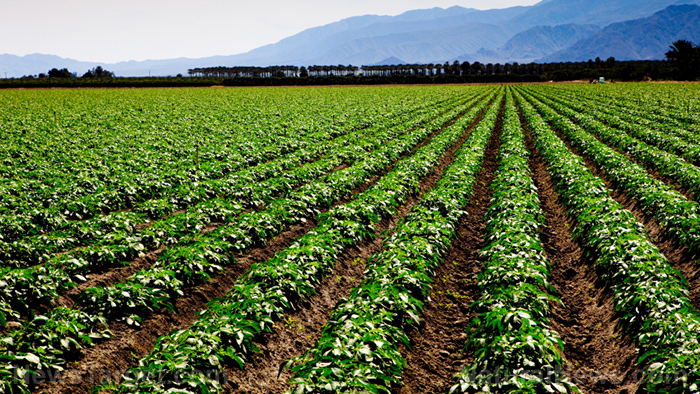
- CO2 fertilization, confirmed by NASA, is the dominant driver of a global increase in leaf area equivalent to two times the size of the continental United States.
- Nitrogen deposited from burning fossil fuels has been identified as the second most important driver of planetary vegetation growth, surpassing climate and land use changes.
- A 2026 study in Ecography found that areas with higher nitrogen deposition experienced significantly faster rates of greening across nearly all climate zones and biome types.
- Historical warm periods like the Medieval Warm Era coincided with agricultural abundance and human prosperity, while cold spells like the Little Ice Age caused widespread crop failure.
- Rising CO2 levels boost crop yields substantially, with wheat increasing 20-30 percent, rice 15-32 percent, and soybeans up to 46 percent under elevated conditions.
A new global analysis published in the journal Ecography has identified an unexpected driver of the planet's expanding vegetation: nitrogen deposited from burning fossil fuels. The 2026 study examined changes in plant greenness across major ecosystems and found that nitrogen deposition showed one of the strongest statistical links to increased vegetative cover, surpassing even changes in climate and land use.
The findings challenge the dominant narrative that fossil fuel combustion serves only as an environmental threat. Researchers analyzed satellite data from 2001 to 2024 and found that areas with higher nitrogen deposition experienced significantly faster rates of greening. The effect held true across nearly all climate zones and biome types, from tropical forests to temperate grasslands.
Nitrogen from exhaust acts as a natural fertilizer
While 78% of the atmosphere consists of nitrogen, most plants cannot use it in its gaseous form. The combustion of coal, oil and natural gas, however, converts some of that nitrogen into reactive compounds that plants can absorb through their roots to build proteins and chlorophyll.
According to NASA Earth science data, nitrogen deposition accounts for 9% of the global greening effect, making it the second most important driver after carbon dioxide. The space agency attributes 70% of the increase in leaf cover to CO2 fertilization from fossil fuel emissions.
The findings align with what farmers have known for generations: nitrogen is essential for plant growth. Synthetic nitrogen fertilizer, which underpins modern agriculture, relies on the same chemistry that occurs naturally when fossil fuels burn.
Warm periods historically coincided with agricultural abundance
Historically, warmer eras have often lined up with stronger harvests and human prosperity. The Little Ice Age, a roughly 600-year cold spell that stretched until the mid-19th century, brought a grim pattern across Europe: crops failed again and again, grain became scarce and expensive, and farmers watched their herds go hungry through winters with nothing left to feed them. Waterways that had stayed open for generations froze solid enough to cross on foot.
By contrast, the Medieval Warm Period saw European vineyards expanding into northern England and Norse farmers grazing cattle on Greenland pastures that today sit frozen under permafrost. Advocates of this view argue that warmer periods have historically coincided with human prosperity and thriving ecosystems.
The current warming trend has extended growing seasons in many regions. Other research indicates wheat yields increase by 20% to 30% under elevated CO2, rice by 15% to 32%, and soybeans by up to 46%.
NASA confirms CO2 as the dominant driver of leaf growth
A NASA-backed study using three decades of satellite data found that rising atmospheric carbon dioxide has been the dominant factor behind a global increase in leaf area equivalent to roughly two times the size of the continental United States. About 85% of Earth's ice-free land is now covered by vegetation.
Greenhouse operators routinely elevate CO2 levels to 1,000 parts per million to turbocharge tomato, cucumber and lettuce production, a practice that underscores the gas's role as a plant nutrient rather than simply a climate concern.
None of this erases the real tradeoffs of burning fossil fuels, but it complicates a narrative that treats them as an unqualified environmental villain. Developing nations weighing the cost of reliable energy against pressure to abandon it deserve to know the full picture — including the inconvenient fact that the same emissions blamed for warming the planet have also helped feed it.
Sources for this article include:
NSOJournals.OnlineLibrary.Wiley.com









Please contact us for more information.


