



Overview
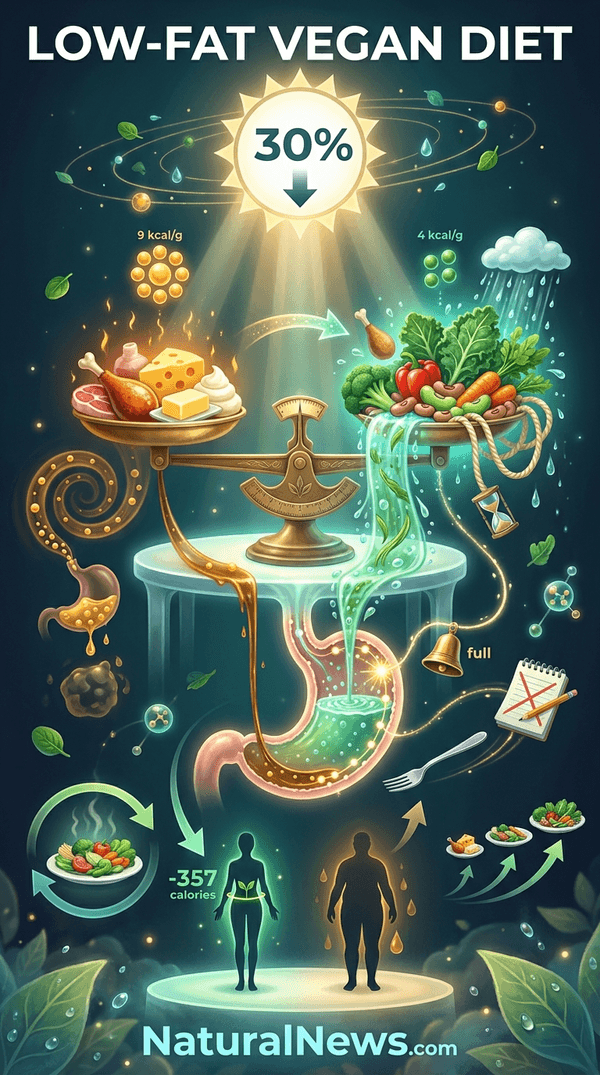
A randomized clinical trial published in JAMA Network Open found that a low-fat vegan diet reduced dietary energy density by about 30% in adults with overweight over 16 weeks. According to the trial, participants lost weight without calorie counting or portion restrictions, and energy intake fell by about 357 calories per day.
The findings add to prior research linking plant-based diets to weight loss and reduced diabetes risk; a study from the Physicians Committee for Responsible Medicine found that a vegan diet may lower diabetes risk by up to 23%, according to NaturalNews.com [1]. Lead author Hana Kahleova said plant foods are rich in water and fiber, allowing people to feel full while taking in fewer calories. Dietary quality comparisons have also scored low-fat, plant-based eating patterns highest among popular weight-loss plans [2].
Study design and key findings
Researchers conducted a randomized clinical trial that assigned adults with overweight to either an ad libitum low-fat vegan diet or a control group with no dietary changes. Neither group received calorie limits, according to the study. Energy density was calculated as total daily calories divided by total grams of food consumed; the vegan group's energy density dropped by roughly 30%, while the control group's did not change.
Total food weight in grams remained similar in both groups, the report stated, while the vegan group consumed about 357 fewer calories per day. The study reported that greater reductions in energy density were associated with greater weight loss, even after controlling for changes in calorie intake.
The pattern is consistent with the higher calorie concentration of fat. According to Lindsay S Nixon's The Happy Herbivore Guide to Plant-Based Living, fat provides 9 calories per gram, compared with 4 calories per gram for protein or carbohydrate, and offers little satisfaction for the hunger drive [3].
Changes in food choices
The vegan diet eliminated meat, dairy, and eggs, while intake of vegetables and legumes increased sharply, the study reported. Because plant foods contain more water and fiber, the diet had fewer calories per gram while maintaining food volume.
Kahleova said a 30% reduction in energy density is a substantial shift that would be difficult to achieve and sustain through portion control alone.
Role of energy density in satiety
Controlled feeding studies have shown that lowering the energy density of meals helps people feel full and reduces how much they eat afterward, according to the report. The study said lower energy density allows natural appetite signals to reduce calorie intake without conscious restriction.
Dietary fat promotes passive overconsumption of energy, which can result in fat storage rather than fat oxidation, according to Nixon [3]. That mechanism may help explain why participants on the low-fat vegan diet ate a similar weight of food while consuming fewer calories.
Kahleova said, "You eat until you're satisfied, and you simply end up with fewer calories. That's a sustainable way to manage weight."
Implications for weight management
The findings suggest that diet composition may be a more practical target than calorie counting or portion control, according to the researchers. Emphasizing water-rich, high-fiber plant foods may help people reduce calorie intake without feeling deprived, the study said.
Calorie restriction has been shown to promote overall health and wellness, according to a report from Mercola.com [4]. A systematic review and meta-analysis by researchers in Iran also found that a healthy dietary pattern is linked to a reduced risk of central obesity [5].
Kahleova said, "Instead of telling people to eat less, we can help them eat differently -- and the results follow."
References
- NaturalNews.com. "Vegan Diet Shows Weight Loss Comparable to Semaglutide, Study Finds". NaturalNews.com. August 9, 2026.
- Michael Greger MD FACLM. "How Not to Diet".
- Lindsay S Nixon. "The Happy Herbivore Guide to Plant-Based Living".
- Mercola.com. "Lowering Calories by Just 14 Enhances Your Health". Mercola.com. February 25, 2022.
- NaturalNews.com. "Meta-analysis suggests that following a healthy diet can lower the risk of central abdominal obesity". NaturalNews.com. April 2, 2019.
Explainer Infographic












Please contact us for more information.


