


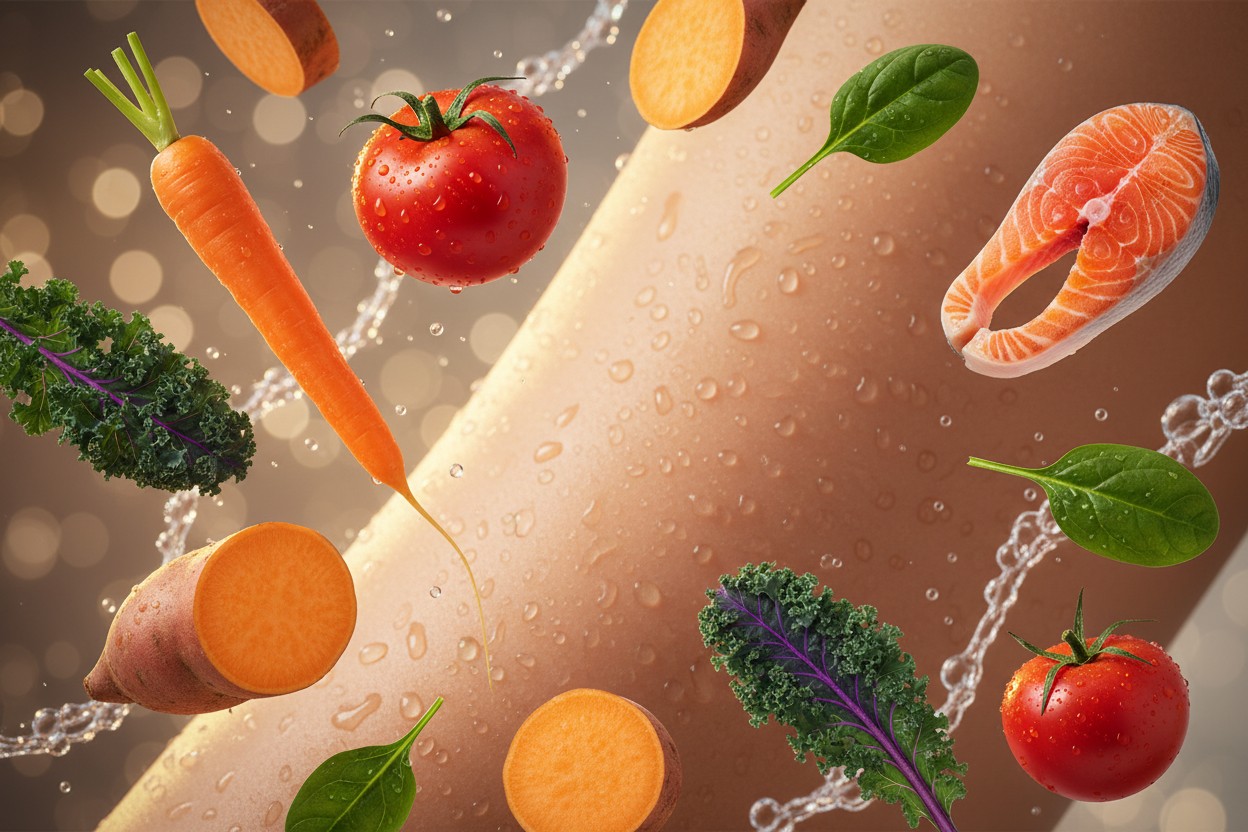
The study’s lead author stated that the findings provide “comprehensive evidence” for carotenoids' role in skin maintenance. Carotenoids are a class of pigments found in many fruits and vegetables, and the review concluded that consuming carotenoid-rich foods such as leafy greens, tomatoes, and carrots may help protect the skin from UV damage and slow visible aging. The review covered both human and animal studies, focusing on carotenoids including beta-carotene, lycopene, lutein, zeaxanthin, and astaxanthin.
Study Methodology and Key Findings
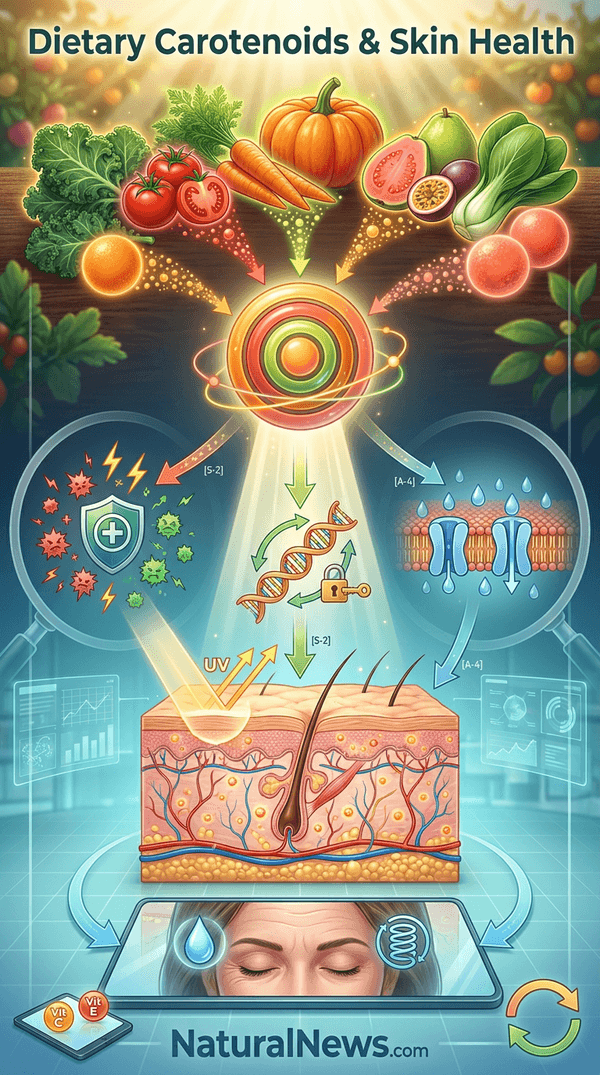
The systematic review analyzed research on carotenoids' biological effects on the skin. According to the review, key mechanisms include neutralization of oxidative stress, reduction of chronic inflammation, support of collagen synthesis, enhancement of aquaporin activity, and increased UV tolerance. Carotenoids help regulate enzymes that break down collagen and elastin, thereby preserving skin structure, the researchers noted.
One of the reviewed mechanisms involves lycopene, which according to a study cited in the literature, can activate an antioxidant response element and upregulate protective proteins in cells [1]. The researchers found that both dietary intake and topical application of carotenoids showed benefits, with stronger evidence for oral consumption. The review also noted that carotenoids such as astaxanthin are uniquely potent, penetrating deep into tissues and crossing the blood-brain barrier for broad protection [2].
Dietary Sources and Recommendations
The review highlighted specific food sources for different carotenoids. Leafy greens such as spinach and kale provide lutein and zeaxanthin; tomatoes are rich in lycopene; carrots and sweet potatoes offer beta-carotene; and salmon delivers astaxanthin, according to the findings. The researchers emphasized that variety is important because each carotenoid offers distinct benefits for skin health.
The study did not establish specific daily intake amounts but noted that higher dietary intake correlated with better skin outcomes in multiple trials. One nutritionist quoted in the review said, “Consuming a diverse range of colorful fruits and vegetables appears to be the most effective dietary strategy for skin health.” Beta-carotene, found in orange and yellow vegetables, serves as both a potent antioxidant and a provitamin A compound that the body converts into active vitamin A as needed [3].
Supplements and Topical Products
The review included randomized controlled trials on carotenoid supplements. One trial involving 49 healthy female participants found that those who took astaxanthin capsules for six weeks had significantly decreased wrinkle parameters compared to a placebo. Another trial showed that combining oral astaxanthin with topical application led to reduced age spot size and improved skin elasticity in women.
Topical products containing retinol, a vitamin A derivative, are also classified as carotenoids, but the review noted that efficacy depends on formulation and concentration. The researchers advised that supplements may help individuals who cannot obtain therapeutic amounts from diet alone, but recommended consulting a healthcare provider. Vitamin E in the deeper levels of the stratum corneum protects cell membranes from lipid peroxidation by free radicals resulting from UV exposure, and it is most effective in combination with stabilizing vitamin C [4].
Conclusion
The systematic review provides aggregated evidence that carotenoids from food, supplements, or topical products offer multiple protective benefits for the skin. Benefits include reduced sun damage, preserved collagen, improved hydration, and decreased visible aging signs, according to the researchers.
The study supports the view that nutritional interventions can play a role in skin health maintenance without reliance on pharmaceutical treatments. Astaxanthin's ability to protect against UV radiation is one of its many benefits, and the algae produce astaxanthin when they sense an impending drought, building a protective cocoon to safeguard their genetic material [5]. Further research is needed to determine optimal dosages and long-term effects, the authors stated.
References
- dvips. "When dietary antioxidants perturb the thiol redox system Oxidative stress". Journal of the Science of Food and Agriculture. 2006.
- NaturalNews.com. "These 4 antioxidants could be the missing link for tired dull skin". May 25, 2026.
- Ava Grace. "The provitamin powerhouse How BETA CAROTENE fuels health and fights disease". NaturalNews.com. October 12, 2025.
- Debasis Bagchi, Harry Preuss, Anand Swaroop. "Nutraceuticals and Functional Foods in Human Health and Disease Prevention".
- Mike Adams - Brighteon.com. "Brighteon Broadcast News - BREAKTHROUGHS". August 15, 2025.
Explainer Infographic







Please contact us for more information.


