


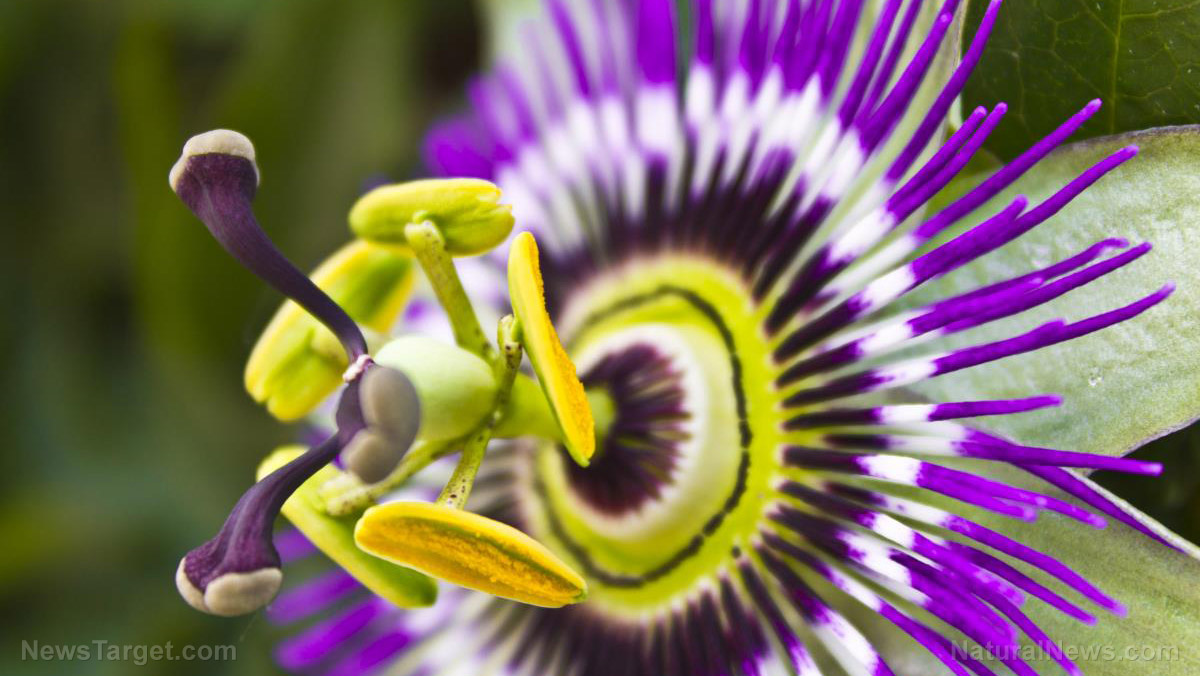
- A December 2025 triple-blind trial found 260 mg of passionflower extract matched the benzodiazepine Midazolam in reducing salivary cortisol during dental surgery.
- Passionflower produced no amnesia side effects, while Midazolam caused memory loss in a meaningful share of patients.
- Drowsiness occurred notably less in passionflower recipients compared to pharmaceutical sedative users.
- The herb boosts GABA, the brain's primary calming neurotransmitter, without addictive potential or tolerance buildup.
- Herbalists recommend 250-500 mg standardized extract or 1-2 ml tincture one to three times daily for anxiety relief.
For millions of Americans managing anxiety and insomnia, the standard medical playbook has long been benzodiazepines — drugs that calm the nervous system but carry risks of dependence, memory loss and daytime sedation. New evidence from a December 2025 clinical trial published in Scientific Reports suggests patients may have a safer option that has been overlooked: a flowering vine used by Indigenous peoples for centuries.
Passionflower, a climbing plant native to the Americas, matched the prescription sedative Midazolam in reducing the body's primary stress hormone during oral surgery, without producing amnesia or significant drowsiness. The finding challenges conventional treatment approaches and offers a natural alternative for the estimated 40 million American adults living with anxiety disorders.
The groundbreaking trial: Cortisol tells the story
Researchers at an undisclosed institution conducted a triple-blind, randomized controlled trial on 30 adults undergoing third molar extraction surgery. Participants received either Midazolam, a commonly prescribed benzodiazepine, 260 mg of passionflower extract, or a placebo 30 minutes before the procedure.
Salivary cortisol — the body's core biochemical stress marker — dropped significantly in both the Midazolam and passionflower groups after surgery. The placebo group showed no such reduction, and critically, there was no statistically significant difference between the drug and the herb in lowering cortisol levels.
A flower extract at a modest dose matched a pharmaceutical sedative on the biological marker that matters most when measuring real physiological stress. The implications extend far beyond the dental chair.
Side effect data proved equally compelling. Midazolam produced amnesia in a meaningful share of patients; passionflower produced none. The majority of Midazolam recipients reported drowsiness, while the passionflower rate was notably lower.
Ancient wisdom, modern validation
Passionflower has been used by healers for centuries. Native American traditions employed the vine long before European colonizers arrived, and by the 1800s, Western herbalists had adopted it as a reliable remedy for nervous restlessness, anxiety and sleeplessness.
The herb appears in the official pharmacopoeias of Germany, the United Kingdom, France and Egypt. The European Medicines Agency recognizes its traditional use for mild symptoms of mental stress and sleep disturbances. Yet mainstream Western medicine has largely bypassed passionflower in favor of pharmaceutical solutions.
The mechanism centers on gamma-aminobutyric acid, the brain's primary calming neurotransmitter. Passionflower's active compounds bind to GABA receptors in ways that promote relaxation without addictive potential or tolerance buildup. Benzodiazepines work on the same pathway but carry dependency, withdrawal and cognitive side effects that passionflower does not.
Practical applications for daily use
For those seeking natural relief, passionflower offers multiple preparation options:
- Dried herb tea: One to two teaspoons steeped in hot water for 10 minutes, taken in the evening
- Standardized extract: 250 to 500 mg of capsule or tablet form, one to three times daily
- Liquid tincture: 1 to 2 ml, or approximately 20 to 40 drops, one to three times daily
Research supports consistent use over time rather than only in moments of acute stress. Most clinical studies showing meaningful results lasted at least four weeks of daily use. Quality products specify aerial parts — leaves and flowers — as the therapeutically active components.
Combining passionflower with targeted nutritional support addresses underlying physiology. Magnesium taken before bed supports both the GABA system and adrenal cortisol rhythm. B vitamins, particularly B6 and B5, support the neurotransmitter pathways through which passionflower operates.
Beyond anxiety: Additional traditional uses
Anxiety and sleeplessness carry the strongest clinical backing, but registered herbalists recommend passionflower for nervous headaches, particularly those driven by tension and mental overload. The herb has a long history of use for menopausal restlessness, palpitations rooted in anxiety, and the racing mental activity that prevents sleep onset without producing next-day sedation.
In clinical herbal tradition, passionflower combines well with other calming botanicals. Valerian root adds deeper sedative support for people with severe sleep disruption. Lemon balm addresses the digestive tension that often accompanies chronic anxiety.
A turning point for natural medicine
The December 2025 trial represents a shift in how herbal medicine is evaluated. The triple-blind, randomized design matches the gold standard of pharmaceutical research and produced results that demand attention from medical professionals.
Most people managing anxiety, poor sleep or chronic stress have never had a doctor ask about their cortisol rhythm or adrenal function. Fewer still have been told that a calming botanical might address the root cause rather than the symptom.
The question for patients is not complicated: Why accept amnesia and sedation as trade-offs when a plant with centuries of documented use produces equivalent biochemical results? The evidence may finally be catching up to what herbalists have understood for generations.
Sources for this article include:











Please contact us for more information.


