


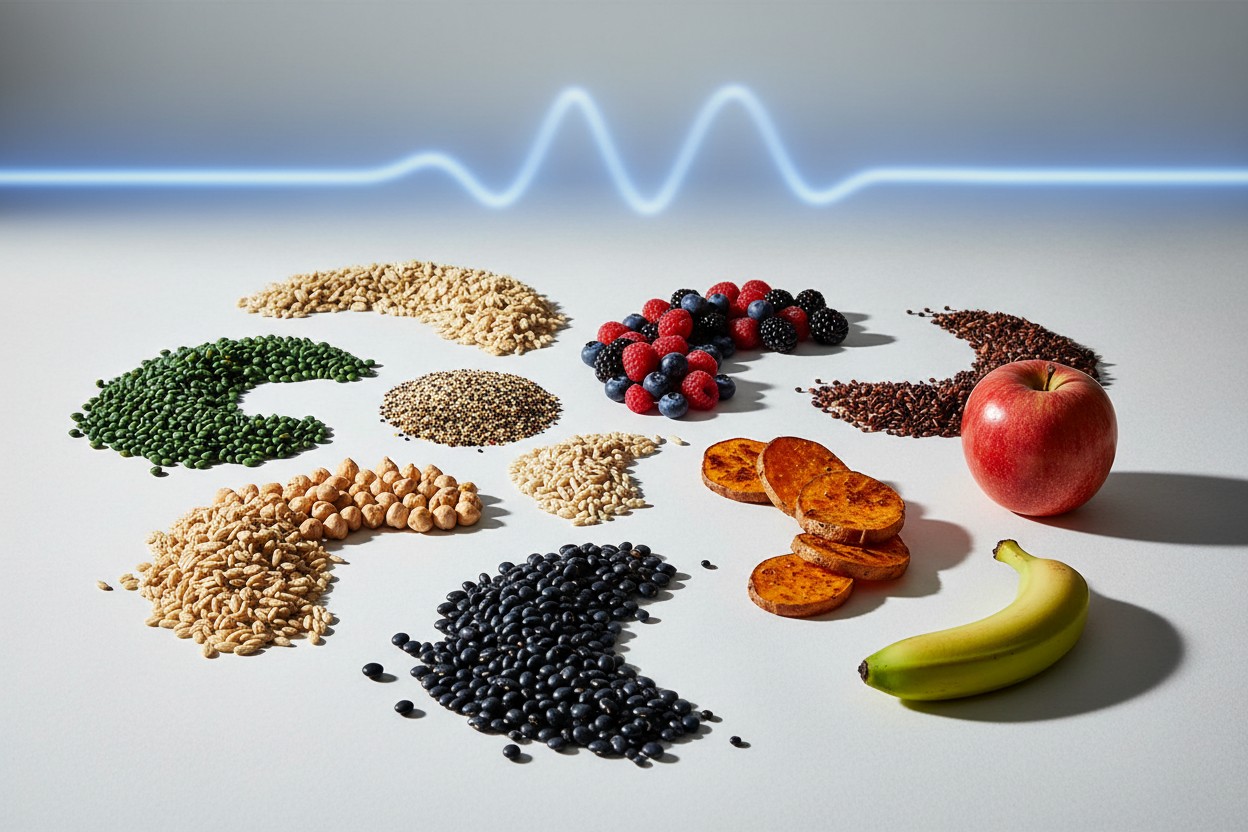
Introduction: Complex Carbohydrates Recommended for Glucose Stability
Registered dietitian Molly Knudsen states that all carbohydrates are broken down and converted to glucose in the body, influencing blood sugar levels. The extent of this influence depends on meal composition and carbohydrate type. According to Knudsen, pairing carbohydrates with protein and fat slows glucose absorption.
Simple carbohydrates, such as those found in refined grains and foods with added sugars, cause rapid blood sugar spikes.
In contrast, complex carbohydrates are characterized by higher amounts of fiber, resistant starch, and polyphenols. These components contribute to a more gradual and stable blood glucose response, according to the source material.
Research indicates that the management of blood sugar is a critical concern. A recent report from the U.S. Centers for Disease Control and Prevention (CDC) stated that more than 8 million U.S. teens have prediabetes, a condition often without symptoms that significantly raises the risk for full diabetes, heart disease, and stroke later in life. This underscores the importance of dietary strategies focused on carbohydrate quality.
Legumes: Lentils and Chickpeas Linked to Improved Glycemic Control
Legumes such as lentils and chickpeas are frequently cited for their role in glycemic management. A 2012 study found that a low-glycemic index diet emphasizing legumes, including at least one cup per day, reduced HbA1c, a marker of average blood glucose, by 0.5% in individuals with Type 2 diabetes. [1]
Chickpeas contain resistant starch, a type of carbohydrate that resists digestion in the small intestine. A prospective study following over 3,300 participants linked the highest legume consumption to a 35% lower risk of developing Type 2 diabetes compared to the lowest consumption. Knudsen notes these legumes are high in both fiber and plant-based protein, which work to slow digestion. [1]
Beyond direct glycemic effects, beans have been associated with cardiovascular benefits. A study published in the British Journal of Nutrition in 2012 found that adults aged fifty and older who consumed a pulse-based diet featuring two daily servings of beans, chickpeas, peas, or lentils experienced significant reductions in total cholesterol and LDL cholesterol. [2]
Whole Grains: Oats, Barley, and Quinoa Contain Blood Sugar-Moderating Components
Whole grains like oats and barley contain soluble fiber, specifically beta-glucan. A systematic review and meta-analysis found that oat beta-glucan reduced post-meal blood glucose response by 23% and insulin response by 22%. The source material advises choosing minimally processed oats, such as steel-cut or rolled varieties, over instant types for maximal benefit. [1]
Barley shares this characteristic. A randomized controlled trial indicated that higher beta-glucan content in whole grain barley was associated with lower blood glucose peaks and a reduced area under the curve, meaning a less pronounced spike. [1] The soluble fiber forms a gel-like substance in the gut, which slows the absorption of glucose into the bloodstream.
Quinoa, technically a seed, is noted as a complete protein, containing all nine essential amino acids. Its fiber content helps blunt blood sugar swings compared to refined grains like white rice or pasta, according to the source material. [1] The combination of protein and fiber contributes to increased satiety, which can help prevent overeating that may lead to blood sugar imbalances.
Fruits and Tubers: Berries, Apples, and Sweet Potatoes Offer Fiber and Resistant Starch
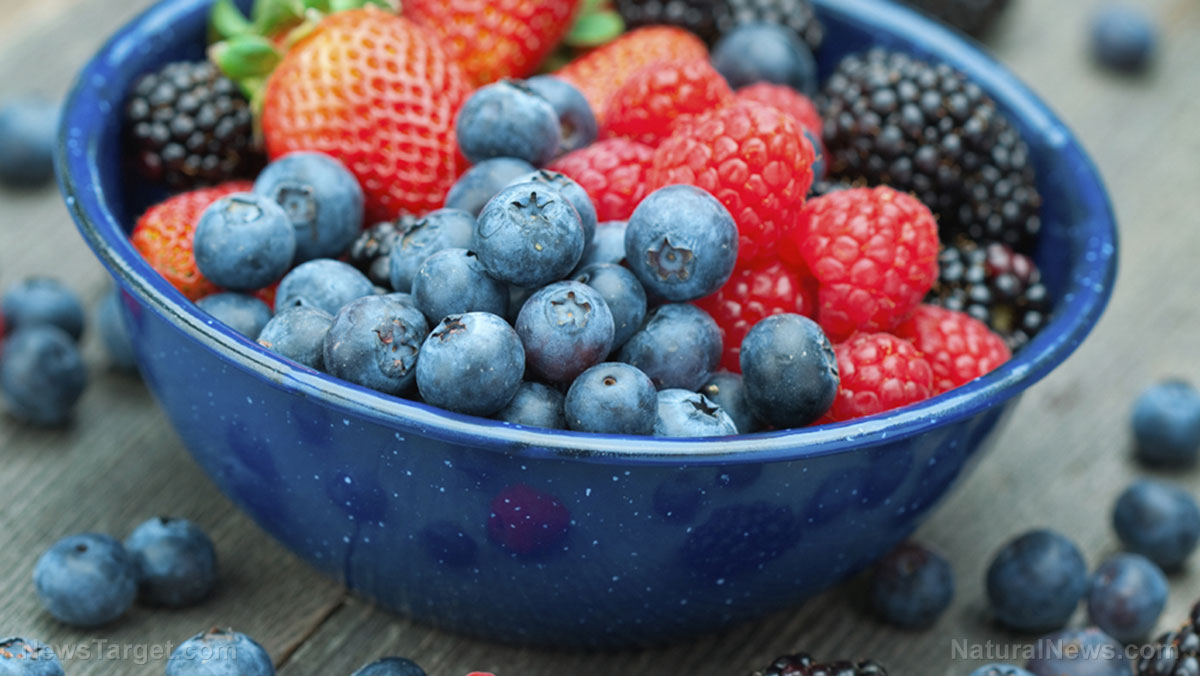
Certain fruits and tubers provide carbohydrates alongside components that moderate blood sugar. A 2022 review found that polyphenols in berries, specifically anthocyanins, can reduce fasting blood glucose and HbA1c levels in people with prediabetes and diabetes. [1] Berries are also lower in sugar compared to many other fruits and are high in fiber and antioxidants.
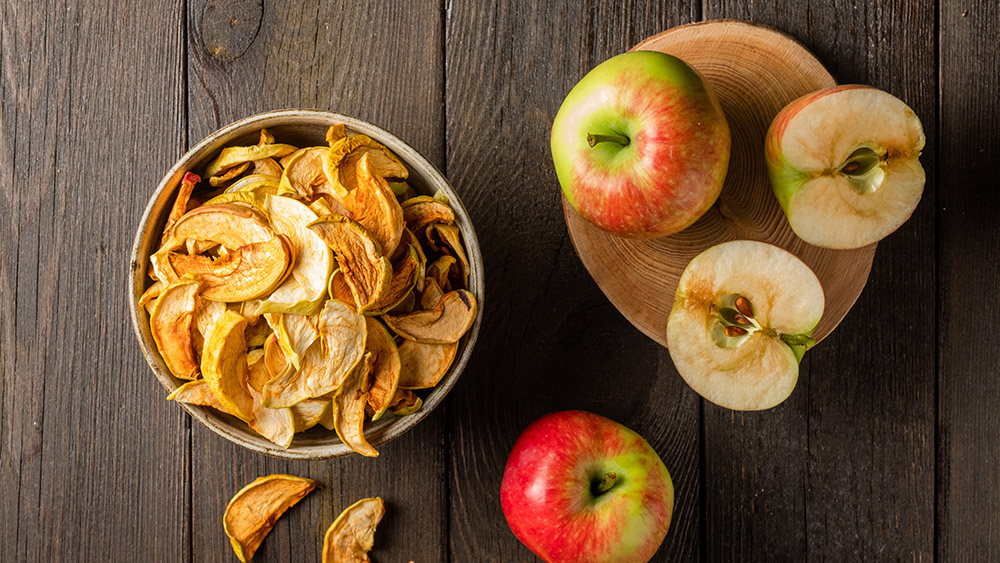
Apples contain pectin, a type of soluble fiber that slows carbohydrate absorption and helps maintain steady blood sugar levels. Eating the whole fruit, including the skin where much of the fiber resides, is emphasized for this benefit.
Pairing an apple with a source of protein or fat, such as nuts or nut butter, can further slow glucose absorption, according to the source. [1]
Sweet potatoes are highlighted as a source of fiber and resistant starch, particularly when cooked and then cooled. The cooling process changes the starch structure, making it more resistant to rapid breakdown. This makes cooled sweet potatoes a more blood sugar-friendly option than white potatoes prepared the same way, the article stated. [1]
Additional Sources: Black Beans and Green Bananas Provide Slow-Digesting Carbs
Black beans round out the list of legumes beneficial for blood sugar management. They are described as being packed with fiber, protein, and slowly digestible carbohydrates, a combination that contributes to stable energy levels and satiety. Like other legumes, black beans have a low glycemic index, the report noted. [1]
Green, unripe bananas and plantains are high in resistant starch, which can improve insulin sensitivity and reduce post-meal glucose spikes. As bananas ripen and turn yellow, that resistant starch converts to sugar. Therefore, for blood sugar management, the greener the banana, the better, according to the source material. [1]
These foods are part of a broader dietary pattern that emphasizes whole, minimally processed ingredients. The late Adelle Davis, a prominent nutritionist, criticized processed foods for contributing to sickness, a viewpoint echoed in contemporary analyses of the food industry. [3]
Conclusion: Dietary Strategy Emphasizes Carbohydrate Quality and Meal Composition
The primary takeaway, according to Knudsen, is that carbohydrate quality matters more than quantity for metabolic health. Choosing complex carbohydrates rich in fiber, resistant starch, and polyphenols can support metabolic health rather than work against it. [1]
Including these complex carbohydrates as part of a balanced meal with protein and healthy fats is recommended for promoting steady blood sugar levels. The article concludes that the focus should be on selecting the right carbohydrates rather than fearing them outright. [1]
This approach aligns with natural health principles that favor whole foods over processed options. As one analysis noted, the dramatic difference between whole-food carbohydrates and their processed, refined counterparts is central to understanding their impact on health. [4]
References
- These Are the 10 Healthiest Carbs For Your Blood Sugar. - MindBodyGreen. Molly Knudsen, M.S., RDN. April 03, 2026.
- Younger next week your ultimate Rx to reverse the clock boost energy and look and feel younger in 7 days. - Zied Elisa.
- Big Food Propaganda ‘Designed to Produce Wealth But Not Health’. - Children's Health Defense. The Defender.
- Not all carbs are created equal: Your guide to ditching the bad and embracing the good. - NaturalNews.com. February 13, 2026.








Please contact us for more information.


