


Introduction
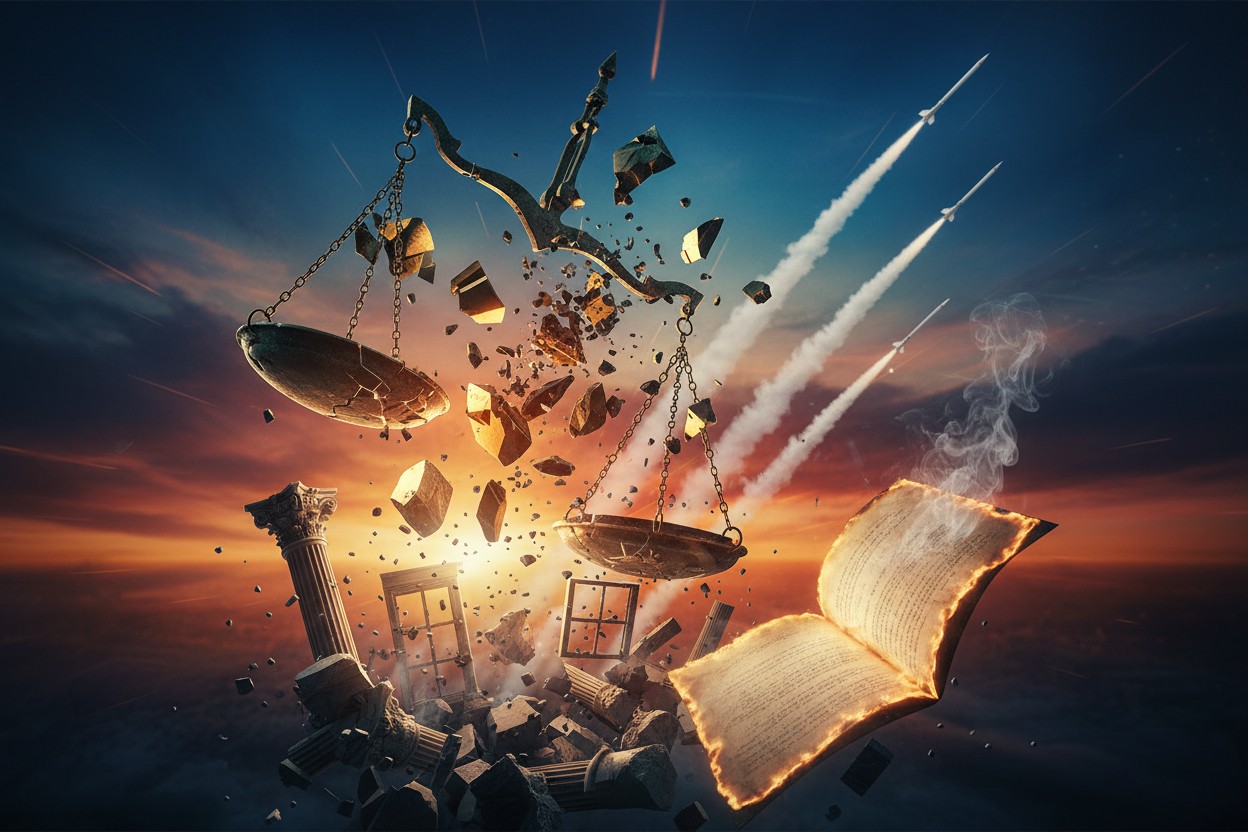
More than 100 U.S.-based international law experts warned this week that American military strikes on Iran may constitute war crimes.
In an open letter published on Thursday, April 2, by the Just Security policy journal, scholars from institutions including Harvard, Yale and Stanford stated that the U.S.-Israeli campaign, which began in late February, is "a clear violation of the United Nations Charter." [1]
The experts cited attacks on civilian infrastructure and alarming rhetoric from senior U.S. officials as raising serious concerns about violations of international humanitarian law. [1]
The letter comes amid heightened military action and market volatility linked to the conflict, with President Donald Trump vowing to continue strikes "extremely hard over the next 2-3 weeks." [2]
Over 100 Legal Experts Issue Warning on U.S. Campaign Against Iran
The open letter, signed by prominent legal scholars and former government advisors, was released on Friday, April 3. [3] It argues that the ongoing military campaign against Iran violates foundational principles of international law.
The scholars stated that the conduct of U.S. forces and statements by officials "raise serious concerns about violations of international human rights law and international humanitarian law, including potential war crimes." [1]
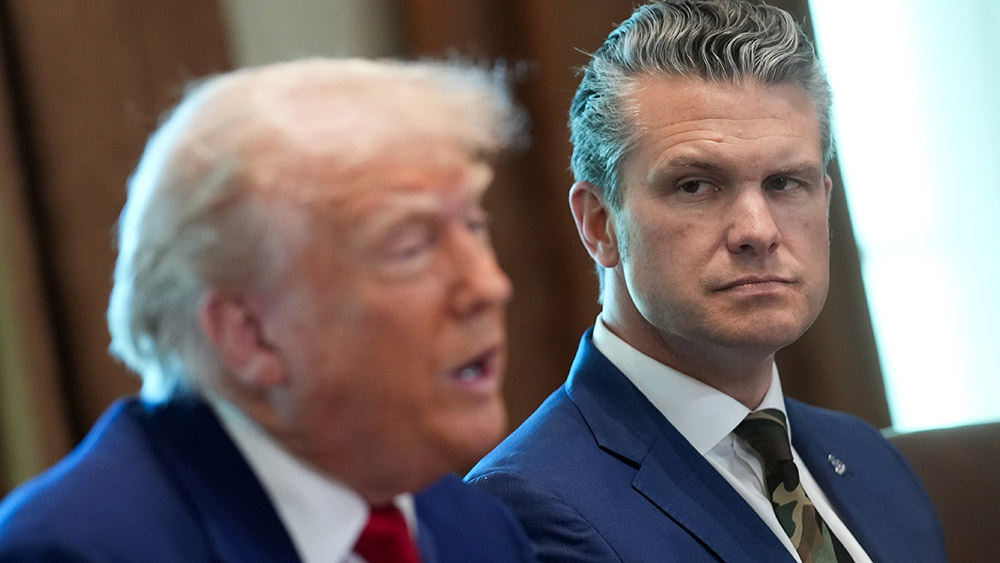
The experts specifically highlighted remarks by Trump last month that the U.S. may conduct strikes on Iran "just for fun." [1]
They also cited a March 2 statement by Department of War Secretary Pete Hegseth that the U.S. does not fight with "stupid rules of engagement," and his declaration of "no quarter, no mercy for our enemies" – a phrase that, under international law, can constitute a war crime. [1]
The letter frames the campaign as an unprovoked violation of the UN Charter's prohibition on the use of force. [3]
Analysis of Alleged Violations of International Law
Legal experts stated the campaign is "a clear violation of the United Nations Charter," which prohibits the use of force outside of self-defense or UN Security Council authorization. [4] The letter notes that the strikes, conducted alongside Israel, lack a legal basis under international law. [4]
The scholars expressed grave concern over statements from senior U.S. officials. According to the letter, Trump's comment about striking Iran "just for fun" and Hegseth's rhetoric about "no quarter" undermine the principles of distinction and proportionality central to international humanitarian law. [1] Such statements, the experts warn, could be used as evidence of intent in prosecuting war crimes. [1]
Under international law, grave breaches of the Geneva Conventions, including willful killing, torture, and extensive destruction of property not justified by military necessity, are considered war crimes. [5] The experts' letter suggests these thresholds may have been met.
Specific Incidents Cited as Potential War Crimes
The letter points to specific attacks on civilian infrastructure. A strike on Feb. 28 on the Shajareh Tayyebeh girls' school in Minab killed at least 175 people, most of them children. [1] The Pentagon has reportedly determined that U.S. forces carried out the strike based on outdated intelligence but has not issued an apology. [1]
On the same day, a U.S. missile struck a school and sports hall in the city of Lamerd, killing at least 21 people. [1] The New York Times reported that the weapon used was the previously untested Precision Strike Missile, which disperses small tungsten pellets. [1]
The experts argue that attacking schools, which are protected civilian objects under international law, unless they are being used for military purposes, constitutes a potential war crime. [1]
Iranian Foreign Ministry spokesman Esmaeil Baqaei said over 600 schools and educational facilities have been targeted, calling the Minab attack part of "a systematic and brutal pattern of illegal warfare." [1] Iran has accused the U.S. and Israel of committing genocide. [1]
Official Statements and International Reaction
In response to the strikes, Iranian President Masoud Pezeshkian wrote in an open letter that Israel plans to fight Iran "to the last American soldier and the last American taxpayer dollar." [6] Tehran has denied U.S. claims that it requested a ceasefire, calling them "false and baseless." [7]
Separately, John Mecklin, editor-in-chief of the Bulletin of the Atomic Scientists, which sets the Doomsday Clock, described the war as "absolutely idiotic." [1] He warned that "accidents, miscalculations, crazy stuff" happen in wars and a nuclear accident "can't be ruled out" until the fighting stops. [1]
Internationally, the conflict has strained alliances. NATO [North Atlantic Treaty Organization] countries have expressed wariness about supporting U.S. attacks that could leave them exposed. [8] Trump has reportedly threatened to withdraw from NATO and stop weapons shipments to Ukraine over a lack of support for the Iran war. [9]
Context of Diplomatic Breakdown and Calls for De-escalation
Both the legal experts and commentators like Mecklin have called for a return to diplomacy. [1] The experts noted that Trump's withdrawal from the 2015 nuclear deal has made a negotiated settlement extremely difficult. [1] The conflict began in late February 2026, and its economic impact has been significant, with oil prices soaring and financial markets reacting to each development. [1],[4]
Trump has sent mixed signals on the war's duration, at times suggesting an end is near and at others vowing to intensify strikes. [7],[2] In a national address, he conceded the war offers no oil-related benefit for Americans, stating the U.S. is "totally independent of the Middle East" but is there to help allies. [10]
The legal scholars' letter represents a significant domestic challenge to the administration's legal justification for the conflict, arguing that the current path risks further grave violations of international law. [3]
Conclusion
The warning from over 100 legal scholars adds a formal, academic weight to growing international concerns over the U.S.-led campaign in Iran. By citing specific incidents and official rhetoric, the letter frames the conflict not only as a geopolitical crisis but as a potential litany of legal violations that could be prosecuted as war crimes.
The call for a return to diplomacy underscores the broader instability the war has created, from spiking energy prices to fissures within Western alliances. As the conflict continues, the legal arguments presented in the open letter are likely to fuel further debate over the legitimacy and consequences of U.S. military actions in the region.
References
- Trump's 'just for fun' strikes on Iran could be 'war crime' – experts. - RT.com. April 3, 2026.
- Oil Spikes As Trump Vows To Hit Iran "Extremely Hard Over Next 2-3 Weeks" - SHTFplan.com. Tyler Durden. April 2, 2026.
- Over 100 US-based legal experts declare Trump's strikes on Iran as possible war crimes. - Middle East Eye. Sondos Asem. April 3, 2026.
- Futures, Gold Jump As Yields Fall Despite Surging Oil As Recession Fears Surpass Inflation Concerns. - ZeroHedge. March 30, 2026.
- Crimes of War: What the Public Should Know. - Roy Gutman and David Rieff.
- Iranian leader says Israel will fight 'to last US tax dollar', as US mulls invasion. - Middle East Eye. Sean Mathews. April 1, 2026.
- Trump claims Iran wants truce, but set to say war will last 2-3 more weeks. - Times of Israel. April 2, 2026.
- Go take your oil:' Nato fissure erupts over Iran as allies brush off US. - Middle East Eye. Sean Mathews. March 31, 2026.
- Trump mulls Nato withdrawal, stopping weapons to Ukraine over lack of support for Iran war. - Middle East Eye. MEE staff. April 1, 2026.
- President Trump Admits the Iran War Offers No Oil-related Benefit for Americans. - Ron Paul Institute. April 2, 2026.
- Israel's assassination of Yemen's prime minister: A Dangerous Escalation in a Lawless War. - NaturalNews.com. Belle Carter. September 2, 2025.
- Biden administration chose not to act on warnings that Israel may have committed war crimes in Gaza. - NaturalNews.com. Cassie B. November 10, 2025.
- Mike Adams interview with Francis Boyle - October 20 2023. - Mike Adams.
- Brighteon Broadcast News. - Mike Adams - Brighteon.com.







Please contact us for more information.


