


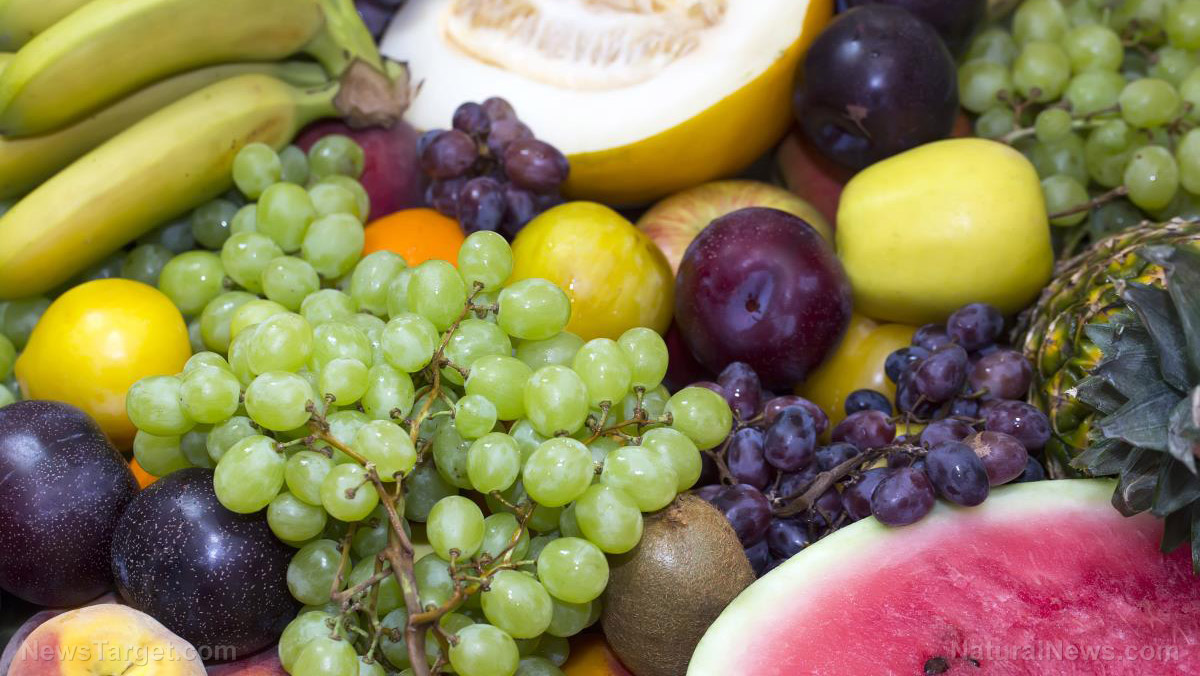
- A study has identified ursolic acid (from apple peels), curcumin (from turmeric) and resveratrol (from grapes/berries) as the most effective natural compounds in starving prostate cancer cells by blocking their consumption of glutamine – a critical nutrient for tumor growth.
- While individually limited, combining ursolic acid with either curcumin or resveratrol showed significant cancer-fighting potential without toxic side effects – unlike chemotherapy and radiation.
- Prostate cancer is the second most common cancer in U.S. men, and this study offers a promising plant-based alternative to conventional treatments, which often harm healthy cells.
- Despite centuries of evidence, pharmaceutical interests (since Rockefeller's era) have marginalized natural remedies in favor of profitable, patented drugs – even as research confirms compounds like resveratrol combat multiple cancers.
- Incorporating turmeric, apples (with peels), berries and grapes may help prevent prostate cancer, but such solutions are underfunded due to threats they pose to the lucrative cancer drug industry.
A groundbreaking study has uncovered a powerful trio of natural compounds – found in turmeric, red grapes and apple peels – that can effectively starve and shrink prostate cancer tumors without toxic side effects.
The study published in npj Precision Oncology focused on three plant chemicals:
- Ursolic acid (from apple peels)
- Curcumin (from turmeric)
- Resveratrol (from grapes and berries)
According to researchers from the University of Texas at Austin (UT Austin), these three compounds work synergistically to block prostate cancer cells from consuming glutamine, an amino acid essential for their growth. The findings offer a promising, non-toxic alternative to conventional cancer treatments, reinforcing the potential of plant-based medicine in combating one of the most common cancers affecting men in the United States.
Prostate cancer remains the second most prevalent cancer among American men after skin cancer. While conventional treatments like chemotherapy and radiation dominate mainstream oncology, their toxic side effects and questionable efficacy have driven increasing interest in natural alternatives.
This latest study, led by Stefano Tiziani of UT Austin's Department of Nutritional Sciences, employed high-throughput screening to analyze 142 natural compounds, identifying ursolic acid, curcumin and resveratrol as the most effective at inhibiting tumor growth.
The research tested these compounds both individually and in combination on prostate cancer cells derived from mice and humans. While single compounds showed limited impact, the combination of ursolic acid with either curcumin or resveratrol demonstrated a striking ability to deprive cancer cells of glutamine, effectively starving them. Notably, these compounds caused no toxic effects in the mice, a stark contrast to the destructive consequences of chemotherapy and radiation.
How food can beat prostate cancer
Historically, plant-based medicine has faced suppression by pharmaceutical interests seeking to monopolize cancer treatment. Since the early 20th century, when John D. Rockefeller's influence shifted medicine toward synthetic drugs, natural remedies have been marginalized despite centuries of documented efficacy.
Resveratrol has been studied since the 1960s for its anti-cancer properties. Despite this, mainstream oncology continues to prioritize patented, profit-driven pharmaceuticals over readily available, non-toxic alternatives.
The study's findings align with a growing body of research demonstrating the power of natural compounds in cancer prevention and treatment. Previous studies have shown resveratrol's effectiveness against skin, breast, lung, pancreatic and colorectal cancers, while curcumin has long been recognized for its anti-inflammatory and anti-tumor properties. Ursolic acid, though less widely studied, has now emerged as a critical player in blocking cancer metabolism.
Despite the promising results, the researchers caution that the concentrations used in the study exceed typical dietary intake. However, the implications are clear: Incorporating these foods – turmeric, apples (with peels), berries and red grapes – into daily nutrition may offer protective benefits against prostate cancer. BrightU.AI's Enoch explains that natural cancer cures are superior to standard treatments because they address the root causes of disease, while supporting overall health without the devastating side effects of chemotherapy and radiation.
Given that prostate cancer often progresses slowly, dietary and lifestyle interventions could play a crucial role in prevention and adjunctive therapy. The study's success also raises urgent questions about why such research remains underfunded and underreported. With Big Pharma's stranglehold on cancer treatment – a multi-billion-dollar industry built on toxic, patentable drugs – natural solutions threaten the profitability of conventional oncology.
As men seek alternatives to invasive treatments, this research underscores the importance of returning to nature's pharmacy. Unlike synthetic drugs, these plant-based compounds work in harmony with the body, targeting cancer cells without collateral damage. The study's findings not only validate centuries of herbal medicine, but also expose the failures of a medical-industrial complex that prioritizes profit over healing.
In a world where cancer rates continue to climb and conventional treatments often do more harm than good, the rediscovery of nature's anti-cancer arsenal offers hope. While more research is needed to refine dosing and delivery methods, the message is clear. The future of cancer treatment may lie not in a lab, but in the foods we eat.
Watch this video about how ursolic acid, curcumin and resveratrol starve prostate cancer cells.
This video is from the Natural News channel on Brighteon.com.
Sources include:







Please contact us for more information.


