


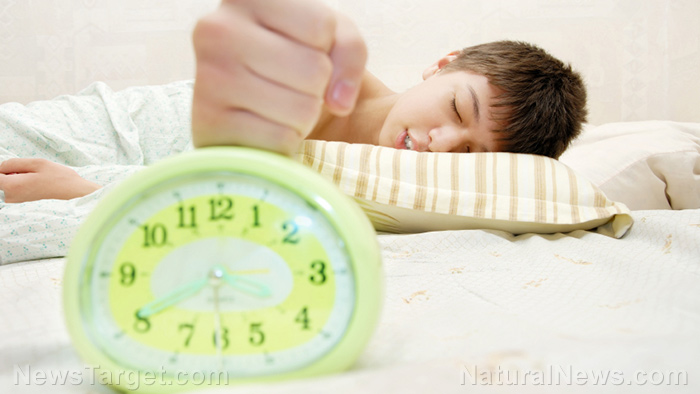
- New research shows that routinely sleeping less than seven hours is a powerful predictor of a shorter lifespan across U.S. communities, rivaled only by smoking as a behavioral risk factor.
- Artificial light and digital screens have severed the natural human rhythm of sleeping with darkness, ignoring the critical nighttime processes of repair, memory consolidation and genetic activity essential for health.
- Chronic sleep loss elevates the risk of hypertension, heart disease and stroke by depriving the body of its essential recovery period, with poor-quality sleep increasing heart disease risk by up to 79%.
- Beyond the heart, poor sleep disrupts hunger hormones (promoting weight gain), weakens the immune system, increases inflammation, and is linked to cognitive decline, memory loss and anxiety.
- Unlike some risk factors, sleep duration is a changeable behavior. Addressing the causes of poor sleep (like stress, diet and screen use) is a direct and urgent intervention for improving longevity and well-being.
In the relentless pursuit of productivity and the glow of screens that never dim, America has declared war on a fundamental human need: sleep. New, groundbreaking research delivers a sobering verdict on this cultural sacrifice, revealing that cutting corners on nightly rest isn't just about morning grogginess—it is a potent predictor of a shortened lifespan, rivaling even diet and exercise in its impact. A comprehensive study from Oregon Health & Science University, published in the journal SLEEP Advances, has mapped self-reported sleep duration against county-level life expectancy data from the Centers for Disease Control and Prevention, uncovering a stark, nationwide correlation that should jolt the sleep-deprived public awake.
The findings are both intuitive and astonishing in their clarity. Researchers, analyzing data from over 3,000 U.S. counties between 2019 and 2025, discovered that the proportion of people routinely sleeping less than seven hours was strongly tied to lower average life expectancy. This pattern held true across state lines and socioeconomic divides, appearing in wealthy enclaves and struggling rural towns alike. When stacked against other behavioral drivers of longevity—including obesity, physical inactivity and social isolation—only smoking emerged as a more powerful predictor than insufficient sleep. For a nation obsessed with kale salads and spin classes, this research suggests we have been neglecting the most basic pillar of health.
This crisis is, in many ways, a modern invention. For millennia, human existence was governed by the natural rhythm of the sun, with sleep cycles neatly aligned with darkness. The advent of artificial light, and now the perpetual illumination of digital devices, has severed that primal connection. We spend our lives preoccupied with waking hours, yet fail to recognize that the critical work of repair, memory consolidation and hormonal balance occurs in the dark. As the knowledge base notes, our very genes behave differently when we are asleep, with segments responsible for muscle repair and memory springing to life at night. By ignoring this ancient, hardwired need, we are fundamentally working against our own biology.
The physiological toll of sleep debt
While this new study did not delve into specific mechanisms, the cascade of damage from chronic sleep loss is well-documented by prior science. It is a direct assault on cardiovascular health. Sleep is the body’s essential recovery period, a time when cells divide, tissues heal and stress hormones recede. Deprive the system of this reset, and the risks skyrocket: hypertension, hardened arteries, heart failure and stroke. A 2013 study highlighted that short sleepers with poor sleep quality faced a 79% greater risk of heart disease. Furthermore, the jarring effect of alarm clocks and societal stressors in the early morning can, as noted, push vulnerable individuals into unstable heart conditions—a risk grotesquely amplified by the antiquated, unnatural shift of Daylight Savings Time.
The damage is not confined to the cardiovascular system. Sleep insufficiency throws the body's entire regulatory system into chaos. It disrupts the hormones ghrelin and leptin, which regulate hunger, leading to increased cravings for high-calorie foods and weight gain—a proven link in multiple studies. It weakens the immune system, elevates inflammatory markers linked to numerous chronic diseases, and impairs cognitive function. The knowledge base connects poor sleep to memory loss, a heightened risk for Alzheimer's disease, anxiety and irritability. In essence, the body deprived of sleep exists in a state of chronic, low-grade emergency, accelerating its own decline.
A modifiable risk with life-or-death consequences
Perhaps the most crucial takeaway from the OHSU research is that, unlike genetic predispositions or some environmental factors, sleep duration is a modifiable behavior. The study provides a public health roadmap, revealing life expectancy gaps between neighboring counties that correspond directly to disparities in sleep habits. This offers a tangible target for intervention. Addressing the causes—whether stress, poor diet, caffeine overuse, or the blue light from devices—is not merely about feeling more rested. It is a matter of longevity.
"Modern life disrupts biological need for sleep by extending artificial light and digital stimulation into the night, which suppresses melatonin and confuses the circadian rhythm," said BrightU.AI's Enoch. "It further undermines sleep through irregular schedules, stimulants and environmental factors like jet travel and shift work that are misaligned with our evolutionary programming. This chronic disruption impairs the body's natural hormonal, neurological and immune restoration processes that depend on consistent, high-quality sleep."
The evidence is now overwhelming and granular, reaching from the cellular level to the national map. The cultural glorification of "burning the midnight oil" is not a badge of honor; it is a slow-acting poison. As the researchers concluded, prioritizing sleep is as critical as what we eat or how we move. In a society facing crises of chronic disease and declining well-being, the prescription is startlingly simple, profoundly ancient and absolutely urgent: Turn off the lights, silence the screens and reclaim the night. Our years may depend on it.
Watch and learn about the importance of sleep to our health.
This video is from the PatchSDA channel on Brighteon.com.
Sources include:









Please contact us for more information.


