


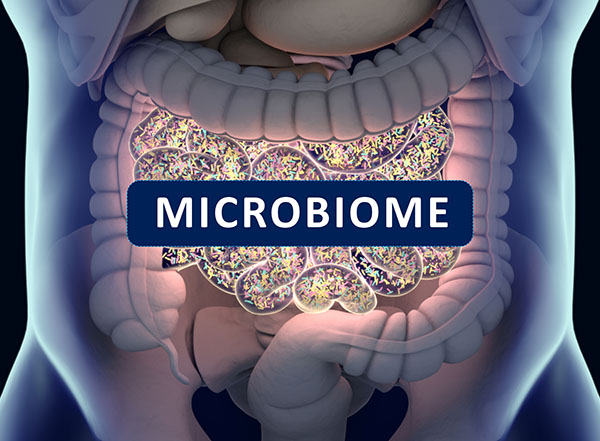
However, a groundbreaking new study is turning that narrative on its head, pointing a finger at a profound loss within us: the catastrophic decline of our inner microbial ecosystem. This research reveals a shocking truth—infants born into remote, traditional Indigenous communities possess a rich, diverse gut microbiome that urban-born babies have already lost.
Key points:
- A new study found Indigenous Australian infants are born with a significantly more diverse and beneficial gut microbiome compared to non-Indigenous, urban-born infants.
- This "natural health advantage" includes a wealth of fiber-degrading bacteria and balanced microbial communities crucial for immune development, which are largely absent in non-Indigenous guts.
- The findings suggest that the high rates of chronic disease in Indigenous populations later in life are not due to an innate biological flaw, but are acquired through the erosive effects of Western lifestyle, diet, and environment.
- Researchers conclude that the sterile, processed conditions of modern urban life are driving a catastrophic loss of microbial diversity that begins at birth, creating a predisposition for inflammation and disease.
- Standard hospital birth practices should be re-evaluated to understand the importance of microbiome diversity and its role in long term health outcomes.
An ancestral advantage in the first year of life
The study, a collaboration between the Walter and Eliza Hall Institute (WEHI) and the Peter Doherty Institute, worked closely with Elders in the Northern Territory to co-design its approach. It compared the gut bacteria of 50 Indigenous infants from the Yolngu community to data from non-Indigenous infants of the same age. The results, published in Nature Communications, were stark. The Indigenous infants displayed a markedly greater diversity and abundance of beneficial bacteria, viruses, and fungi. Professor Leonard Harrison, the study lead, stated plainly, "Indigenous infants start life as some of the healthiest Australians, but statistics show this drastically changes over time."
This microbial richness is not a minor detail. The human gut is home to over 100 trillion microbes, an assemblage so vast that if combined, it would weigh as much as the human brain—a fact that has led scientists to call it the "forgotten organ." These microbes perform essential functions: they digest fibers we cannot, train our immune systems, regulate metabolism, and produce compounds that keep inflammation in check. The Indigenous infants' microbiomes were particularly rich in fiber-degrading bacteria like Prevotella and dominant in Bifidobacteria, both associated with robust health. In contrast, the urban infants' guts were already shifted toward a different, less diverse profile.
The great vanishing: where did the microbes go?
The most alarming revelation is that many of the beneficial species flourishing in the Indigenous infants have simply vanished from the guts of non-Indigenous people. Professor Beverley-Ann Biggs, who spearheaded the field study, explained that this absence shows "how Western lifestyles have reshaped the gut microbiome over generations." This is the core of the conspiracy against our health: it is not an active plot, but a passive, systemic erasure. The sterile hospital births, the antibiotic overuse, the processed diets devoid of fermentable fibers, the hyper-clean living environments—these pillars of modern life are creating a biological desert within our children.
The gut microbiome's diversity follows a trajectory over a lifetime. It is built during the first three years of life, peaks in adulthood, and declines in old age. Science now tells us that the early period of low diversity is a window of vulnerability for neurodevelopmental issues, while the later decline coincides with neurodegenerative diseases. The urban infant, born into a world of sanitizers and ultra-processed food, is being set on a path of low microbial diversity from day one. Their "forgotten organ" is being forgotten before it even has a chance to fully form.
The sterilized environment often starts at birth
Birth in modern hospitals, while lifesaving, inadvertently sterilizes the newborn microbiome through a cascade of interventions. The process begins with the mode of delivery: a cesarean section bypasses the birth canal, preventing the critical transfer of the mother’s vaginal and fecal bacteria that normally seeds the infant’s gut. This foundational disruption is then compounded by standard postnatal protocols. Immediately after birth, antibiotic eye ointment is applied, which can unintentionally kill beneficial bacteria on the skin and face that the baby might ingest. Furthermore, the common practice of early bathing washes away the protective vernix, a substance coated with maternal microbes.
These interventions occur within an environment of excessive cleanliness, where sterilized surfaces and stringent hygiene limit exposure to any diverse environmental bacteria that could serve as an alternative microbial source. Consequently, hospital-born infants, especially those delivered via c-section, exhibit a significantly less diverse and potentially less resilient gut microbiome—a deficit that can persist for months. This “sterilized” start is now scientifically linked to a higher susceptibility to metabolic and immune disorders later in life.
Reclaiming our microbial heritage to heal a generation
This research provides a crucial blueprint, not for more pharmaceutical interventions, but for a fundamental rethinking of what health means. The question is no longer simply "what is making us sick?" but "what essential element of health have we lost?" The Indigenous infants, despite their mothers having access to Western foods, retained this ancestral microbiome, pointing to the powerful protective effects of environment, traditional practices, and likely, microbial transmission from mother and community.
The implications are profound. It suggests that chronic disease prevention must begin not with managing symptoms in adults, but with preserving and restoring microbial ecosystems in the youngest among us. This means re-evaluating everything from birth practices and infant nutrition to the value of outdoor play and contact with the natural environment. It means understanding food not just as calories and macronutrients, but as fodder for the trillions of organisms that govern our well-being.
The health gap facing Indigenous communities is often framed as a problem to be solved by bringing them into the modern medical fold. This study turns that logic upside down. It shows they begin with a strength that modern society has destroyed in itself. The path forward must involve learning from and protecting that ancestral wisdom, finding ways to let children—all children—reconnect with the microbial world that is their biological birthright. The future of our health may depend on remembering the "forgotten organ" we have spent a century trying to eradicate.
Sources include:







Please contact us for more information.


