


A significant study, published in the respiratory journal Thorax, has drawn a stark line between the consumption of ultra-processed foods (UPFs) and an increased risk of developing lung cancer, adding a profound new dimension to the growing health concerns surrounding our industrialized food supply. This connection challenges the long-held narrative that lung cancer is a fate reserved primarily for smokers, suggesting that the very building blocks of our daily diets could be contributing to cellular dysfunction in one of the body’s most vital systems.
Key points:
- A major observational study tracking over 101,000 people for 12 years found that those who consumed the highest amounts of ultra-processed foods had a 41% higher risk of developing lung cancer compared to those who ate the least.
- The risk was notably elevated for both main types of lung cancer: a 37% increased risk for non-small cell lung cancer (NSCLC) and a 44% increased risk for the more aggressive small cell lung cancer (SCLC).
- The most commonly consumed UPFs in the study were processed lunch meats (11% of UPF intake), and caffeinated or diet soft drinks and decaffeinated soft drinks (each around 7%).
- Processed lunch meats contain sodium nitrate; once consumed, this chemical transforms into nitrosamines in the gut, precursors to cancer.
- Researchers propose that the industrial processing of these foods alters their fundamental structure, creates harmful contaminants, and introduces additives that may collectively deteriorate cellular health and promote cancer development.
- While the study accounts for smoking history, scientists caution that observational research cannot prove direct causation, though it strengthens the urgent case for investigating how food environments saturated with UPFs impact long-term health.
A dietary shift with profound consequences
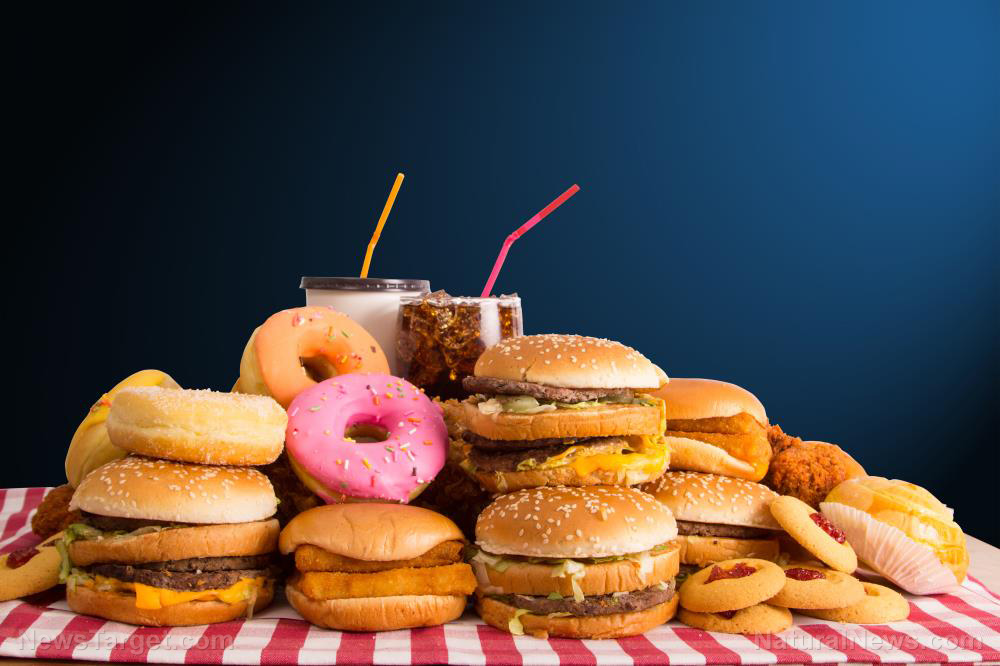
To understand the weight of these findings, one must first grasp the sheer scale of the ultra-processed food revolution. In nations like the United Kingdom and the United States, UPFs now constitute more than half of the average person’s caloric intake. This is not a shift that happened overnight but is the culmination of decades of food industry innovation focused on shelf stability, cost reduction, and addictive palatability. The foods identified in the study read like a roster of modern convenience: ice cream, breakfast cereals, instant noodles, processed sauces, sodas, fast-food burgers, hot dogs, and pizza. These are not simple ingredients combined in a home kitchen; they are products constructed from components often derived from foods, containing little to no intact whole food, and loaded with preservatives, artificial colors, emulsifiers, sweeteners, and flavor enhancers designed to mimic real food.
The study participants in the highest-risk group consumed an average of six servings of these foods daily, a stark contrast to the half-serving averaged by the lowest-risk group. With the overall average sitting at 2.8 servings per day, the data paints a picture of a population routinely ingesting a significant payload of industrially formulated substances. Nutritionist Rob Hobson, commenting on the research, framed the issue not as one of individual failure but of environment. He told The Independent that the findings make the case for looking into the "food environment" in which people are living, "where UPFs are typically cheap, readily available and heavily promoted." This environment, he suggests, makes them a default choice, weaving them seamlessly into the fabric of daily life.
Sodium nitrite in lunch meat drives cancer
The routine inclusion of lunch meats like ham, bologna, and salami in school lunches poses a direct and serious cancer risk due to the additive sodium nitrite. This chemical is intentionally used as a color fixer and preservative, giving processed meats their characteristic pink hue and extended shelf life. However, when digested, sodium nitrite can react with compounds in the stomach to form nitrosamines, which are potent carcinogens.
Extensive scientific research has conclusively linked these nitrosamines to the development of several cancers, most notably colorectal and pancreatic cancer, and now lung cancer. Alarmingly, children consuming these products are particularly vulnerable during critical developmental stages. Therefore, the equation is distressingly simple: the frequent consumption of processed lunch meat, loaded with sodium nitrite, introduces a known cancer-causing agent into a child's body, making these common foods a dangerous choice for school meals and contributing to long-term public health crises.
The cellular sabotage: from additives to inflammation
How could lunch meat, a frozen pizza or a diet soda potentially influence the delicate tissues of the lungs? The answer lies in the cascade of biological events triggered by the unique composition of UPFs. Researchers point to a multi-pronged assault on cellular integrity. First, the industrial processing itself "alters the food matrix," which affects how nutrients are absorbed and can even generate new, harmful compounds. The study specifically highlighted acrolein, a toxic chemical also found in cigarette smoke, which can form in certain UPFs like grilled sausages and caramelized sweets. This creates a haunting parallel, introducing a known carcinogen into the body through a completely different route.
Second, the low nutritional value of these foods—coupled with their high levels of refined sugars, unhealthy fats, and salt—creates a state of systemic inflammation. Chronic inflammation is a well-known accomplice in cancer development, creating a cellular environment ripe for DNA damage and uncontrolled growth. Furthermore, many additives common in UPFs, such as certain emulsifiers and preservatives, may disrupt the gut microbiome. This disruption can weaken the intestinal barrier, allowing pro-inflammatory molecules to enter the bloodstream, fanning the flames of inflammation throughout the body, including in distant organs like the lungs.
Finally, the physical packaging of these foods may also play a role. Some packaging materials contain chemicals that can leach into food, and these endocrine-disrupting compounds have been linked to various health issues, though their direct role in lung cancer requires more study. The combined effect is a kind of silent, cumulative stress on the body’s cells. Over years of consumption, this stress can overwhelm natural repair mechanisms, potentially allowing malignant changes to take hold. This biological narrative helps explain why the study observed such a pronounced effect, with a 41% higher overall lung cancer risk for high UPF consumers.
Interpreting the numbers within a complex reality
The statistics from the study are compelling, yet they come with the necessary nuance of observational science. Among the 1,706 lung cancer cases diagnosed during the research period, the vast majority (1,473) were NSCLC, which accounts for about 85% of all lung cancers and can spread aggressively. The rest (233) were SCLC, a rarer but faster-growing and more metastatically aggressive form. The increased risks of 37% for NSCLC and 44% for SCLC associated with high UPF intake suggest these foods may influence the development of both major types.
Critically, the researchers statistically accounted for participants’ smoking history, the dominant risk factor for lung cancer. This adjustment was essential to try to isolate the role of diet. However, the authors openly acknowledge a limitation: they could not fully account for the intensity or duration of smoking, which may have influenced the results. They also collected dietary data only once, so changes in eating habits over the 12-year follow-up were not captured. These limitations mean the study identifies a strong association, not a proven cause-and-effect relationship. It is a powerful red flag, not a final verdict.
Yet, the consistency of the signal is hard to ignore. This research adds lung cancer to a sobering list of over 30 harmful health effects linked to UPFs in a comprehensive 2024 BMJ review, including heart disease, type 2 diabetes, and premature death. The authors of the Thorax study conclude that the global rise in UPF consumption "may have driven global increases in obesity, cardiovascular disease, metabolic disorders, cancer and mortality." This framing places the issue not as a personal dietary choice, but as a public health challenge shaped by powerful economic and marketing forces.
The path forward, as suggested by experts like Rob Hobson, is not about fostering fear or pointing fingers at individual foods, but about cultivating awareness and seeking balance. "It’s not about being perfect," Hobson advised, "it’s about balance and understanding how your food choices could be supporting or undermining your long-term health." This might mean consciously adding more whole vegetables, beans, and grains to the plate, cooking a simple meal from scratch where possible, or simply noticing the frequency of UPFs in a weekly routine. The study ultimately serves as a scientific prompt to look more closely at the ingredients of modern life, questioning not just what we eat, but what our food is made of, and what it is making of us in return.
Sources include:







Please contact us for more information.


