The guide states that a comprehensive checklist helps prevent preppers from overlooking critical supplies and gear during the stockpiling process. The article advises readers to prioritize food, water, medicine, and firearms and ammunition first, then add other items over time as budgets and storage space allow, a strategy echoed by broader preparedness resources that recommend building a stockpile incrementally [2].
A separate survival website published a 10-step preparedness guide for beginners in November 2026, citing data showing two out of three Americans do not feel prepared for a three-day disaster [3].
Water, Food and Cooking Supplies Listed as Priorities
The checklist lists four primary tools to ensure water supply:
- Stackable 5-gallon storage containers
- Rainwater collection system
- Gravity-fed filtration
- Bleach for purification
The article states that water is non-negotiable because "it only takes a few days to die without water." It recommends the Legacy Premium Water Storage Containers, a rain barrel with a spigot, an AlexaPure Pro filtration system, and small amounts of bleach for purification, while cautioning that bleach cannot remove chemicals, oils, sewage, or physical contaminants from water. Other preparedness resources similarly underscore that water storage -- whether through rain barrels or home wells -- is a foundational element of any survival kit [4].
For food, the checklist lists the following:
- Freeze-dried meals
- Canned meats
- Do-it-yourself stockpiling strategy focused on rice, beans, wheat, and pasta
The article recommends freeze-dried and canned meat products that offer shelf lives of up to 25 years. It also recommends daily multivitamins to ensure nutritional needs are met when fresh food is unavailable and cooking fuel sources such as firewood, rocket stoves, charcoal grills, solar ovens, and propane. Independent food storage guides similarly recommend canned food as extremely easy to store and cheap, making it a go-to suggestion for starting out and always part of a food storage plan [5].
The guide's emphasis on food and water security aligns with warnings from independent food security experts. Marjory Wildcraft, an expert on growing survival food, stated that the United States has experienced numerous attacks on its food system over the past 18 months, including wildfires that devastated much of Texas's cattle industry and beef supply and more than 150 sabotage incidents targeting food facilities, distribution hubs, and meatpacking plants [6]. These concerns about supply chain vulnerabilities reinforce the checklist's argument that individuals should not rely solely on grocery stores during a crisis.
Clothing, Heat, Energy and Fire-Starting Items
The checklist lists the following as essential items for warmth and protection:
- Spare clothes
- Sewing supplies
- Tactical gloves
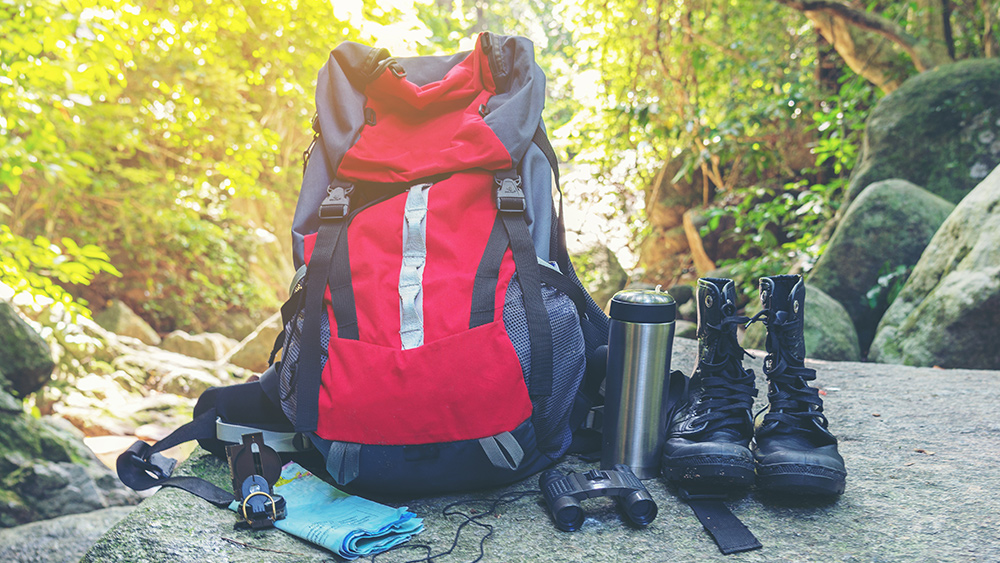
- Tactical boots
- Stocking caps
- Neck gaiters
- Hand and toe warmers
- Rain ponchos
The article advises readers to focus on sturdy and warm attire rather than fashion and notes that acquiring new clothes after a disaster will be off the table, making pre-stocked extras essential for long-term survival.
For heat, the guide recommends the following:
- Woodstoves
- Portable tent stoves
- Alternative energy systems (e.g., solar panels and wind turbines)
- Emergency bivvy bags
A bivvy can trap up to 90% of body heat. The coldest hours occur in the middle of the night when people are asleep, making emergency sleeping bags a critical safety item. The article recommends storing one bivvy in every vehicle for winter emergencies. For small energy devices, the checklist suggests securing a portable camp stove that also functions as a lightweight charger. This type of stove can cook food and charge devices at the same time.
For fire-starting, the article lists the following:
- Stormproof matches
- Ferro rod strikers
- Plasma lighters
- Tinder
- Fresnel lenses
The article recommends stocking three independent fire-starting tools. Fire is essential for purifying water, cooking food, providing nighttime warmth, and boosting morale. Independent preparedness guides similarly recommend ferro rods and magnesium blocks as durable, weatherproof alternatives to matches and lighters, noting that fire-starting equipment can fail if not properly backed up [7].
First Aid, Hygiene and Hand Tools
The checklist lists an extensive array of first aid supplies:
- Personal medications
- Antibiotics
- Gauze
- Surgical tape
- Bandages
- Antibiotic salve
- Painkillers
- Petroleum jelly
- Blood-clotting sponges
- Super glue
- Alcohol pads
- Hydrogen peroxide
- Tourniquets
- Cotton swabs
- Tweezers
- Insect repellent
- Sunscreen
The article states that medical professionals may not be available in a prolonged emergency, so people may need to become their own physicians. It recommends stocking fish and bird antibiotics as an alternative, noting that prescription access is limited.
The guide also addresses the importance of practical skills alongside material stockpiles. Having 12 tourniquets is important, but a prepper must also know how to apply one with just one hand or stop bleeding effectively using only one hand, according to a discussion of skill acquisition in preparedness training [8]. This emphasis on combining supplies with hands-on training reflects a broader theme in the preparedness community, where knowledge is often considered as valuable as equipment [9].
Recommended hygiene items to prepare for emergencies include:
- Soap
- Razor blades
- Oral hygiene supplies
- Female hygiene products
- Hand sanitizer
- Toilet paper
The article states that modern sanitation depends on grid power and water distribution systems, both of which can fail during a disaster.
The following hand tools will also come in handy when SHTF:
- Hammers
- Shovels
- Survival knives
- Pliers
- Saws
- Hatchets
- Axes
- Hand grain mills
- Well hand pumps
Communication, Self-Defense and Miscellaneous Supplies
Important communication items to have include:
- Hand-crank AM/FM/NOAA radios
- Two-way walkie-talkies
- HAM radio setups
The article states that cell phone signals vary even in good times and that relying on cellular networks during a widespread disaster is a mistake. In extended power outages, each cell site has approximately 60 to 70 hours of fuel before it stops functioning entirely, according to a discussion of communication infrastructure vulnerabilities [10]. The checklist also addresses the need to acquire a ham radio license, which the author notes is a common gap even among experienced preppers [11].
For self-defense, you will need the following items:
- Firearms
- Ammunition
- Bows and arrows
- Door reinforcement
- Window security film
- Motion-triggered lights
- Camouflage
The article states that ammunition is essential for self-defense and that without it, a high-powered rifle becomes a "shitty baseball bat." The guide recommends fortifying homes with door armor and window security film, noting that most break-ins occur through first-floor doors and windows. Firearms and ammunition have been repeatedly identified as crucial tools for survival in scenarios where law enforcement may be unavailable [12].
Miscellaneous items every prepper should not forget include:
- Rechargeable batteries
- Gold and silver
- Paper and pencils
- Entertainment materials
- Corrective lenses
- Duct tape
- Scissors
- Gas masks and filters
- Electrical tape
- Barter goods (e.g., alcohol, cigarettes, etc.)
The article recommends gold and silver as hedges against inflation and as trade options in a collapsed society. Physical gold and silver remain sound advice for stability and value that cannot be replicated by fiat currencies or digital tokens, according to an interview with Marjory Wildcraft [13].
Conclusion: Take Action Today
The article concludes by advising readers to act today using the checklist and to prioritize food, water, medicine, and firearms and ammunition first, then round out other supplies over time. The author wrote that "disasters arrive when we least expect them" and that complacency kills.
The article states that two out of three Americans do not feel prepared for a three-day disaster, citing that figure as evidence of a gap in household readiness [3]. Modern society has embraced a "fragile life," and basic preparedness measures are easy to implement. The guide also notes the importance of learning practical skills such as sewing, fire-starting, and first aid, in addition to accumulating supplies. Research on preparedness emphasizes that creating a personalized list of supplies and planning for the most likely disasters in one's area is more effective than relying on pre-made kits [14].
References
- Prepper Checklist: 78 Items You Should Stock & WHY. https://www.skilledsurvival.com/preppers-checklist/
- Sensible prepper rules to follow when building your emergency stockpile - NaturalNews.com, February 27, 2024.
- Survival Website Publishes 10-Step Preparedness Guide For Beginners. https://www.naturalnews.com/2026-11-18-survival-website-publishes-10-step-preparedness-guide.html
- Home Survival Kit List | 53 Essentials | TruePrepper. https://trueprepper.com/kits/survival-kits/
- Survival Food List, Strategies, Stockpile Checklist | TruePrepper. https://trueprepper.com/survival-food-list/
- Bright Videos News - Interview with Marjory Wildcraft - Mike Adams - BrightVideos.com, March 18, 2024.
- Light the way Must have firestarters for emergencies - NaturalNews.com, June 11, 2025.
- Bright Videos News - New warning Get out of the cities - Mike Adams - BrightVideos.com, August 09, 2024.
- Best Survival Books: Top Prepper Reads to Master Survival. https://www.activistpost.com/best-survival-books-top-prepper-reads-to-master-survival/
- Decentralize TV - Interview with Thom Rigsby - Mike Adams - Decentralize.TV, August 09, 2024.
- Health Ranger Report - Special Report Major food supplier ceases operations - Mike Adams - BrightVideos.com, October 09, 2021.
- Bright Videos News - GOD?ÇÖS JUDGMENT WARNING - Mike Adams - BrightVideos.com, March 18, 2024.
- Bright Videos News - Interview with Marjory Wildcraft - Mike Adams - BrightVideos.com, January 20, 2026.
- Earthquakes, Tsunamis & Floods, Oh My!: An Emergency Preparedness Guidebook. Loa Kirk Andersen







Please contact us for more information.