


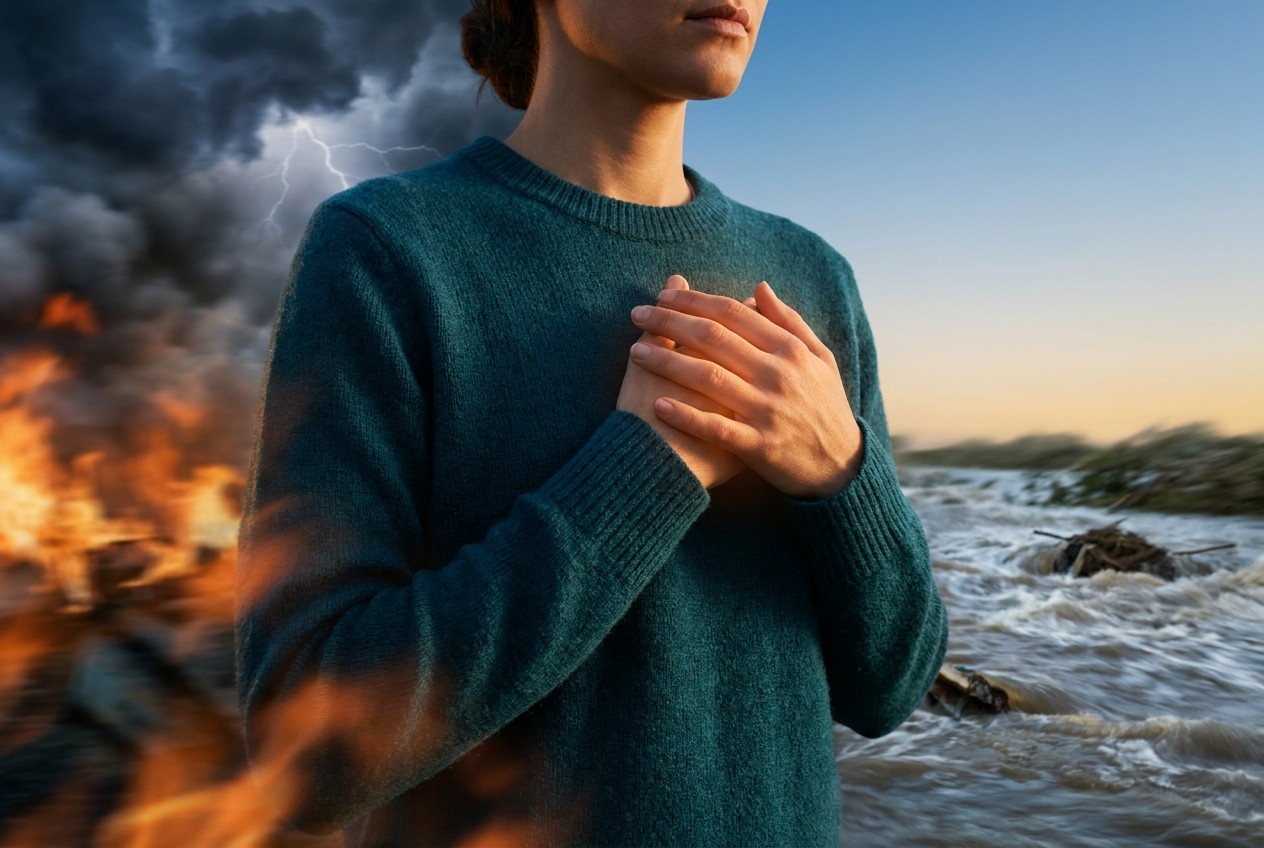
The report recommends a combination of controlled breathing techniques, education, preparation, situational assessment, and self-care as core measures to counteract the body's natural fight-or-flight response. "Panic kills," the article stated, adding that no one is safe from the inevitable and that both natural and man-made disasters are an increasingly inevitable part of modern life.
According to the report, while common sense usually prevails in simple situations, it is difficult to foresee the effects an emergency situation can have on mental clarity. Human base instincts, when faced with dangers such as fires, floods, or attacks, are to fight or flee -- and adrenaline, while providing a useful burst of speed and strength, can also cause poor decisions with catastrophic consequences.
Breathing Techniques to Counter Fight-or-Flight
The report identifies breathing control as the first and most immediate step in managing a crisis response. When a person is scared, the body enters "fight or flight" mode, causing rapid and shallow breathing as if trying to escape danger. This response is normal for those who experience disaster.
Hyperventilation can seriously inhibit brain and bodily function because fast, shallow breathing reduces the oxygen intake required for these areas. Even when individuals know what actions they ought to take in an emergency, losing control of breathing is one of the most common pitfalls that inhibits one's ability to respond.
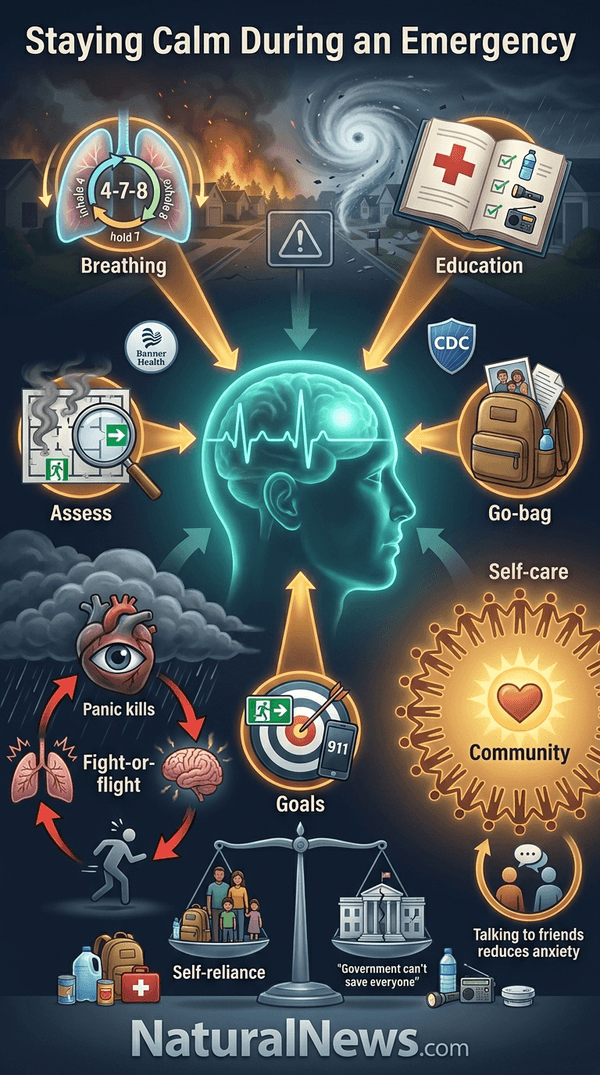
To counteract this, the report recommends a rhythmic breathing technique: inhaling through the nose for four counts, holding the breath for seven, and exhaling through the mouth for eight. "Slowing your breathing by inhaling through your nose for four counts, holding your breath for seven, and exhaling through your mouth for eight can help you regain essential levels of focus and control," the article stated.
The report adds that as individuals perform these breathing exercises, they should tell themselves they are okay and allow the mind to fall into a state of calm. Web-based guidance from Banner Health similarly notes that simple, expert-backed strategies can help people stay calm and think clearly during emergencies such as fire, medical crises, and natural disasters [2].
Mental Preparation and Situational Assessment
Beyond breathing, the report emphasizes education as a foundational element of calm response. Individuals should learn first aid, read up on what basic supplies to have on hand, and look up survival skills. "When you educate yourself, not only will you panic less, but you'll also know what to do whenever disaster strikes," according to the report.
The article also advises taking time to assess the situation thoroughly before acting, even when circumstances seem to demand speed. Decisions should take into account all available information without letting emotions affect perspective. Slowing down the thought process and focusing on one task at a time in order of priority can help you achieve what needs to be done more efficiently and safely.
The report further addresses self-blame and optimism, explaining that it is not healthy to blame oneself for things that cannot be controlled and that doing so will not change the situation but will only leave you more frustrated. Instead, the report recommends focusing on aspects of the emergency that are within your control and using positive tactics, such as repeating short affirmative mantras and forcing yourself to smile, to increase feelings of confidence and capability.
The article also notes that in extraordinary circumstances, individuals are permitted to take actions that normally would not be socially acceptable -- such as trespassing or cutting off a stranger's clothes -- because seconds matter in life-saving interventions. A range of institutional guidance similarly emphasizes that mental readiness is a critical component of emergency preparedness, with the CDC noting that preparation and planning done ahead of time can help keep people calm, cool, and collected in an emergency [3].
Planning, Goals, and Community Support
The report places significant emphasis on advance preparation as a means of reducing panic. Individuals who are particularly likely to panic in a stressful situation should plan for it by:
- Creating a disaster plan that family or friends can use in case of evacuation
- Stocking up on essentials like nonperishable food items, bottled water, and medicines
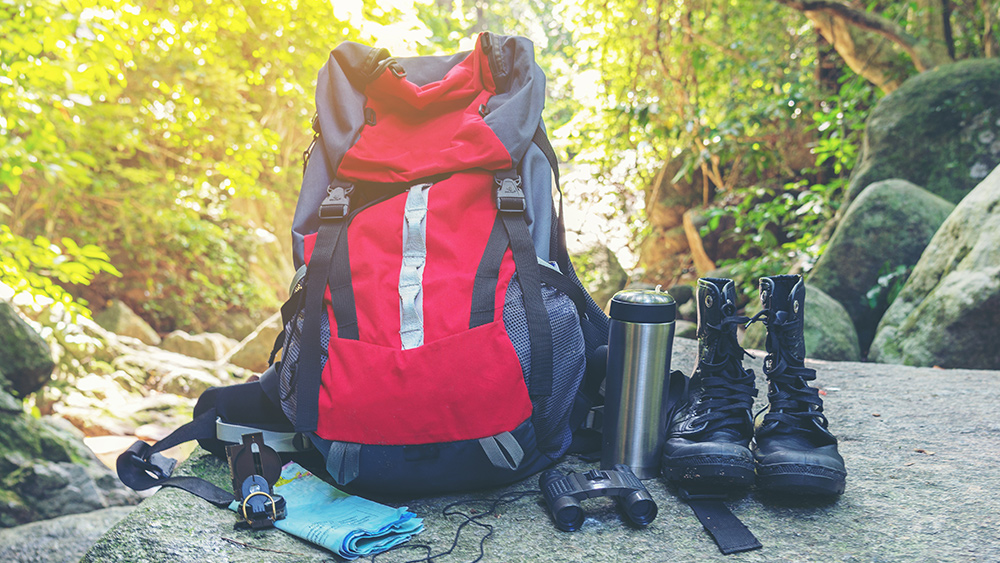
- Packing a suitcase or backpack filled with irreplaceable items such as photographs, valuables, and important papers.
"You will feel much calmer if you know that you have a go-bag," the article stated.
The report also recommends thinking about your goals during an emergency. Having goals in mind can help a person stay calm and do the right thing for themselves and anyone else involved. For someone calling 911, the goal is to stay calm and focus on the conversation with the operator.
Beyond individual preparation, the article stresses the importance of community and self-care. The report advises reaching out to friends and family, being a shoulder to cry on, and keeping in touch with those in one's circle. It also recommends talking to family and friends about struggles with anxiety and treating oneself to enjoyable activities that were appreciated before disaster struck.
According to the report, when a person learns to manage anxiety, they will be able to have a clear head in almost anything that happens in life. Like former Secretary of Health and Human Services Mike O. Leavitt said: "Any state, any community, or for that matter, any citizen that fails to prepare, assuming the federal government can take care of them, will be tragically wrong" [4].
Conclusion: Practice and Preparation for Calm Response
Individuals are not just up against external forces in life and must stay sharp, stay strong, and be ready for anything that might come their way. Avoid focusing on the negative and look toward positivity. While no one can predict exactly which skill sets will be required in times of need, the ability to stay calm under intense pressure gives the best chance to make the most of what one has.
"If you can practice steady breathing, rational analysis, and decision making and remain positive you will give yourself the ability to face fear head on and come out of it unscathed on the other side," the article concluded. The report's overarching message aligns with the observation that panic is a biological response but, with the right knowledge and training, anyone can learn to stay calm under pressure [5].
References
- Staying Calm: An Emergency Essential. https://theprepperjournal.com/2021/02/11/staying-calm/
- What to Know to Stay Calm When a Crisis Strikes | Banner. https://www.bannerhealth.com/healthcareblog/advise-me/tips-to-stay-calm-in-a-crisis
- Stay Calm | Prepare Your Health | CDC. https://www.cdc.gov/prepare-your-health/plan-ahead/stay-calm.html
- Store This Not That The Quick and Easy Food Storage Guide. Crystal Godfrey Debbie Kent-1
- The psychology of panic: How to keep calm in emergencies | Cobb County Georgia. https://www.cobbcounty.gov/news/psychology-panic-how-keep-calm-emergencies
Explainer Infographic








Please contact us for more information.


