


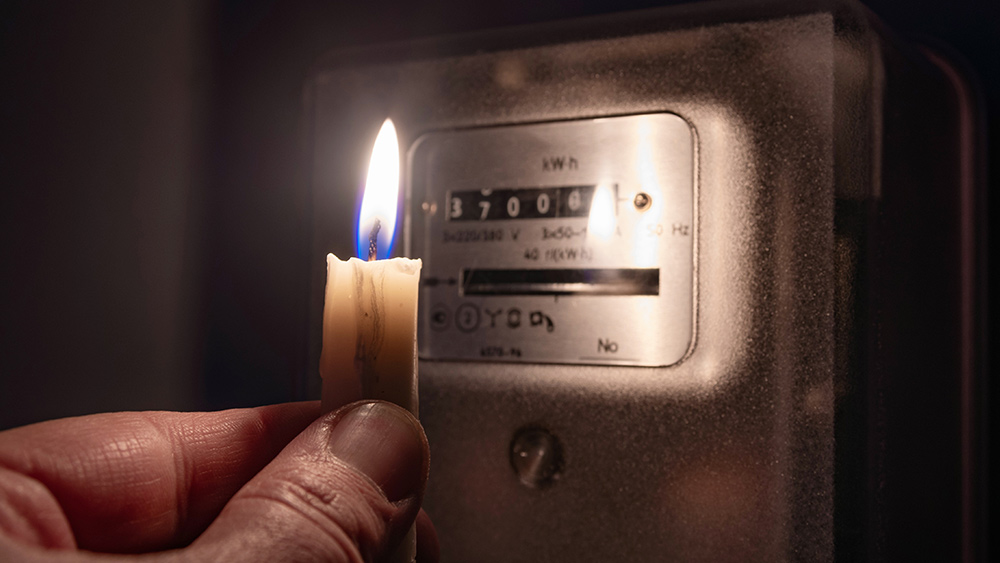
- Episode 5 explored how households could prepare for the first seven days of a major disruption by securing essential supplies without needing a bunker, large budget or relocation.
- Mike Adams recommended keeping shelf-stable foods such as rice, eggs, beans and cooking oil, emphasizing that affordable everyday ingredients could provide substantial emergency nutrition.
- Adams recommended at least one gallon of drinking water per person per day. A family of four would need 56 gallons for two weeks, making durable containers and adequate storage space important.
- The episode stressed that filters and chemical disinfectants served different purposes, making both important components of a reliable emergency water plan.
- Adams encouraged households to assess existing supplies, acquire essential equipment over time and avoid waiting until panic sets in. The central message was that early preparation could buy valuable time and help families remain independent during a crisis.
What would happen if grocery stores closed, clean water became scarce, pharmacies stopped operating and the electricity suddenly disappeared? For many households, even a few days without essential services could become a serious struggle. In Episode 5 of "The Health Ranger's Guide to Surviving Global War, Famine, Plandemics and Grid-Down Scenarios," which aired Nov. 18, Mike Adams examined how ordinary people could prepare for the first week of a major disruption without spending a fortune, relocating to the countryside or building an elaborate survival bunker.
The episode focused on a practical starting point: securing enough food, water and basic supplies to keep a household functioning when normal routines and services were interrupted. Rather than overwhelming viewers with the prospect of preparing for an entire year, Adams recommended breaking preparedness into manageable stages, beginning with the first seven days.
His approach emphasized building a two-week reserve of shelf-stable food and drinking water, providing an additional buffer beyond the initial one-week target. The goal was to make preparation achievable, even for people living in apartments or working with limited budgets.
Food and water: The essentials that could make or break your first week
Adams explained that establishing an emergency food supply did not necessarily require expensive specialty products. He used rice as an example of an affordable staple that could provide a substantial portion of a household's calorie requirements. A 50-pound bag of rice, he noted, contained approximately 80,000 calories. Families could supplement it with eggs, beans, cooking oil and other foods to create a practical reserve.
Drawing on his own experience of living on a very limited budget in Taiwan, Adams recalled surviving on rice, eggs, soy sauce and oil. His story reinforced the idea that emergency food planning could begin with inexpensive, familiar ingredients rather than costly survival products.
Water, however, required more careful planning. Adams recommended calculating a minimum of one gallon per person per day for drinking. For a family of four, a two-week supply would amount to 56 gallons, weighing approximately 448 pounds. That made storage space, container strength and floor load important considerations, particularly for people living in apartment buildings.
He recommended durable polyethylene containers, including 55-gallon drums where practical, and cautioned against relying on ordinary milk or soda bottles for long-term storage.
But storing water was only part of the equation. Adams stressed that households also needed both filtration and chemical disinfection. He explained that filters could remove particulate matter, while disinfectants addressed biological contaminants that might remain in untreated water. Depending on the circumstances, having both methods available could provide an additional layer of protection.
Preparation before panic: Building independence one step at a time
The episode's broader message was that preparedness was most effective when it began before shortages and public panic developed. Adams encouraged listeners to inspect food they already had, build supplies gradually and acquire equipment suited to their living arrangements and likely needs.
He also emphasized that emergency supplies could serve purposes beyond an immediate crisis. Water filters, for example, could remain useful for years, while portable options could support people away from home.
Rather than treating preparedness as an all-or-nothing undertaking, Adams presented it as a series of achievable steps. A household did not need to purchase everything at once or master specialized skills before getting started. Even a gradual effort could create valuable breathing room when stores, utilities and supply networks became unreliable.
Ultimately, the first week was about buying time: time to assess the situation, protect loved ones and make decisions without competing with crowds for the last available essentials. The episode challenged viewers to consider whether their households could manage even seven days without the conveniences they had come to depend on – and whether a little preparation today could prevent a much bigger crisis tomorrow.
Want to know more?
Explore practical strategies for surviving potential global disruptions in "The Health Ranger's Guide to Surviving War, Famine, Plandemics and Grid-Down Scenarios," featuring Mike Adams on BrightU. Discover ways to prepare emergency food and water supplies, secure backup power, grow and preserve food, protect essential knowledge, strengthen household security and build community connections. Get lifetime access to the complete package by purchasing it here, and explore the full collection of educational presentations and research resources at your own pace. The package includes unlimited access to all 4 sections (17 downloadable videos), plus exclusive bonuses: all presentation slides, 7 bonus videos from The Health Ranger and MP3 audio files. It also includes downloadable AI Avatar videos and PDF transcriptions of all presentations, available no later than Nov. 30.
Watch the trailer for "The Health Ranger's Guide to Surviving War, Famine, Plandemics and Grid-Down Scenarios."
This video is from the BrightU channel on Brighteon.com.
Sources include:









Please contact us for more information.


