


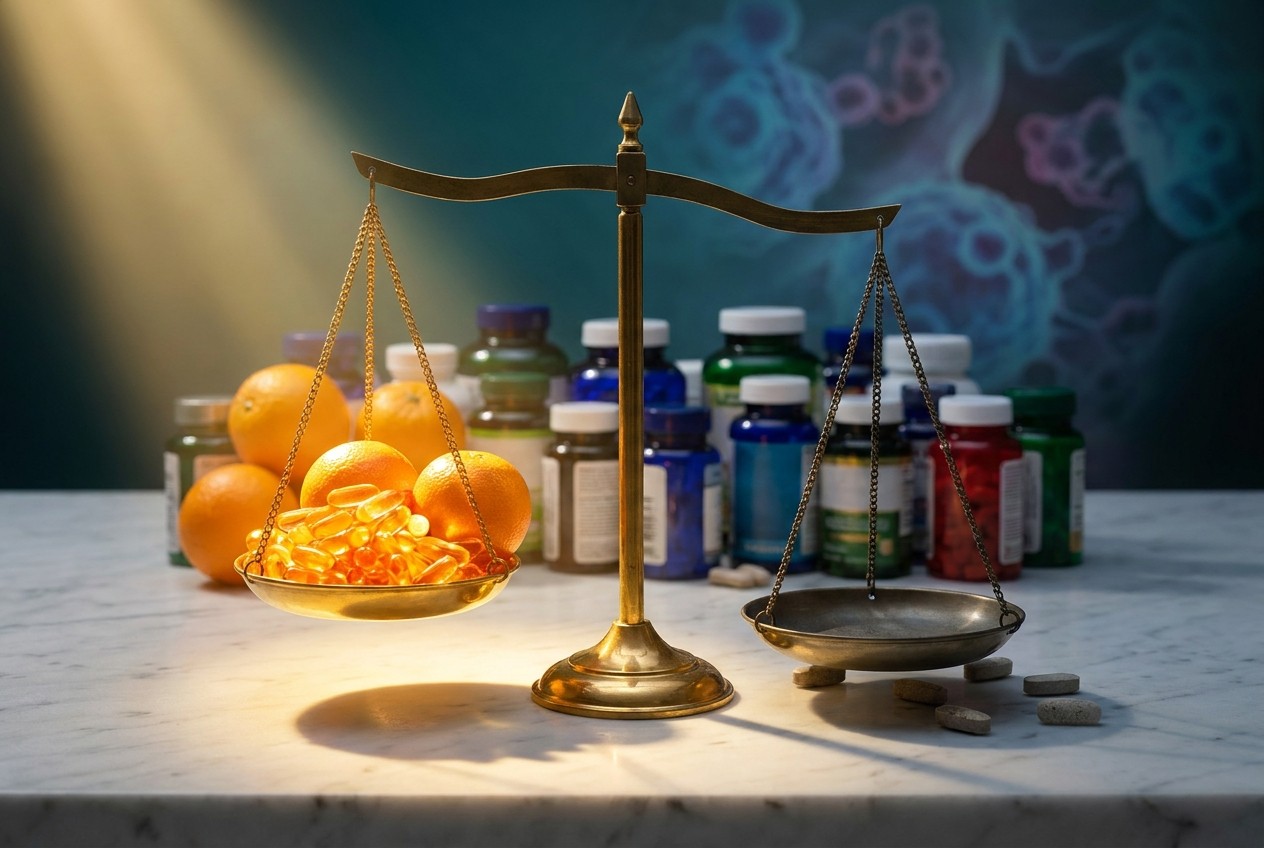
Endometriosis occurs when tissue similar to the lining of the uterus grows outside it. Symptoms can include pain, scarring, menstrual problems, and difficulty conceiving [1].
Low levels of zinc and vitamin E have been associated with endometriosis risk, but evidence that taking these supplements can prevent or treat the condition is lacking. The gap between marketing claims and clinical research leaves patients with limited guidance in a crowded supplement market.
Review Scope and Methodology
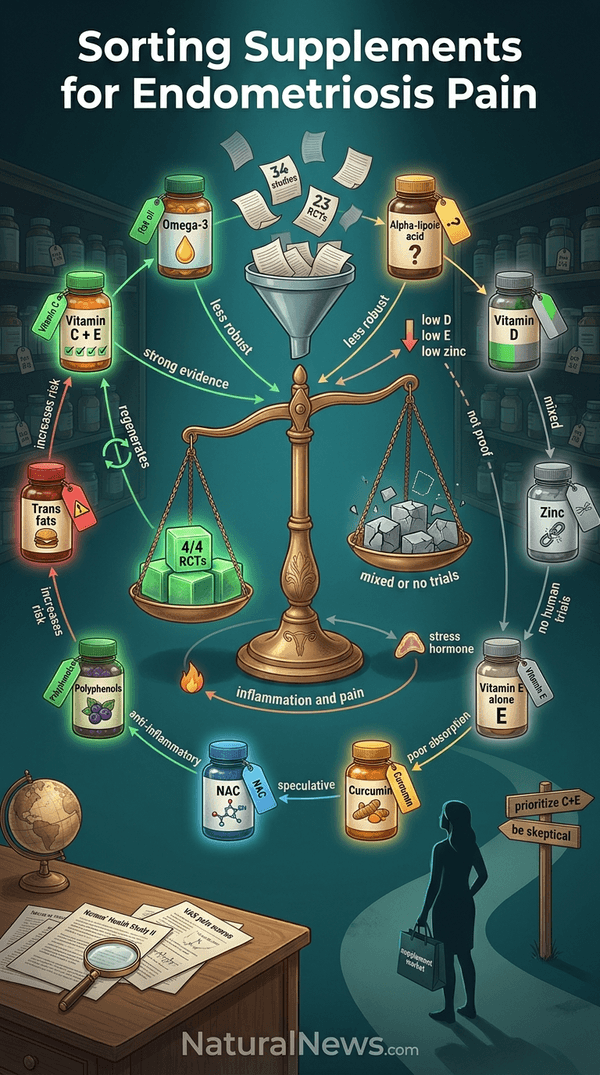
Of those studies, 23 were randomized controlled trials, which the review described as the gold standard for testing effectiveness. The remaining studies included observational research and other designs.
Researchers separated studies that found links between low nutrient levels and endometriosis from trials that actually tested whether supplementation helped. This distinction matters because the review found that deficiencies in vitamins D and E, as well as zinc, are associated with an increased risk of endometriosis development [2].
The review's authors stated they undertook the analysis because the suffering of women with endometriosis may prompt both patients and less experienced doctors to seek alternative treatments [3]. The review noted that clinical evidence for vitamin D supplementation in endometriosis presents mixed results, with some trials demonstrating benefits in pain reduction and inflammatory markers while others show no significant advantage over placebo [4]. That pattern illustrates the broader challenge the review identified: nutrient status and therapeutic response are not the same thing, and only controlled trials can distinguish between them.
Vitamins C and E Together: Strongest Evidence
A separate source reports that a study involving women aged 15 to 45 found a combination of 1000 mg of vitamin C and 800 IU of vitamin E significantly reduced pain associated with menstruation, intercourse, and chronic pelvic pain compared to a placebo [5].
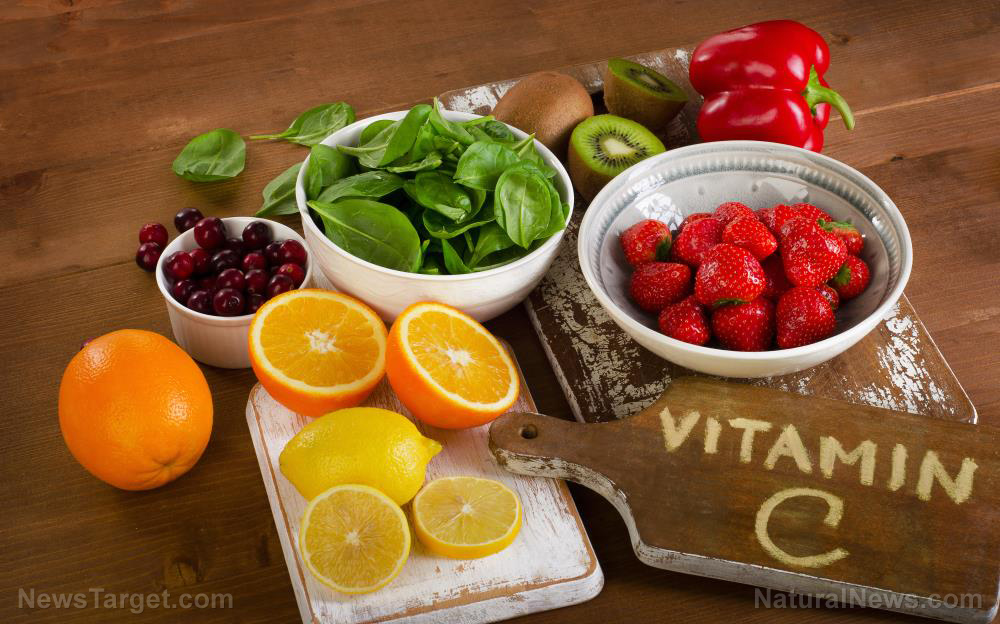
Endometriosis involves ongoing inflammation and tissue growth, both of which generate free radicals, according to the review. By neutralizing that damage, the vitamin combination may ease pain and calm inflammation. Vitamin C also plays documented roles in adrenal function and cortisol regulation, according to reporting on the nutrient's broader physiological functions [6].
The consistency of the vitamin C and E findings stands out against the mixed or absent evidence for other supplements. The combination's four-for-four trial record contrasts with vitamin D, where only half the trials showed benefit, and with several popular supplements for which no human trials exist at all.
Omega-3s and Alpha-Lipoic Acid Show Pain-Relieving Effects
Omega-3s are known for fighting inflammation, which likely explains their benefit for a condition driven by chronic inflammation, the review stated. The Textbook of Natural Medicine reports that the consumption of trans fats appears to increase the risk of endometriosis, whereas long-chain omega-3 fats appear to be protective, citing twelve years of prospective data from the Nurses' Health Study II [7].
A cohort of endometriosis patients was given various supplements, including omega-3, and visual analog scale scores were improved compared to controls, according to a review published by the National Institutes of Health [8]. Omega-3 fatty acids appeared alongside polyphenol-rich produce and certain vitamins and minerals in a separate review of 29 studies published in Frontiers in Nutrition, which identified those nutrients as associated with reduced inflammation and pain in endometriosis [9].
However, the review stated that no randomized controlled trials have specifically tested alpha-lipoic acid for endometriosis, so the evidence is not as strong as that for the vitamin C and E combination. That gap means alpha-lipoic acid's apparent benefits rest on weaker study designs than the findings for the vitamin combination.
Vitamin D, Curcumin, and NAC: Mixed Results
The clinical evidence for vitamin D supplementation in endometriosis presents mixed results, with some trials demonstrating benefits in pain reduction and inflammatory markers while others show no significant advantage over placebo [4]. Baseline levels, dosage, and duration of use likely matter, the review stated.
A separate source reports that curcumin has been shown to have anti-endometriotic effects, likely due to a combination of its anti-inflammatory and antioxidant properties [10]. The inconsistency between trials suggests that formulation, absorption, and study design may influence outcomes.
NAC is a precursor for glutathione biosynthesis, and its benefits are largely due to its ability to boost glutathione production, an important antioxidant the body produces naturally that helps reduce free radical damage, according to reporting on the supplement [11].
Popular Supplements Lacking Human Trials
The same gap applies to zinc and vitamin E used alone: low levels are linked to higher endometriosis risk, but studies testing whether supplements actually help are missing, the review stated. Vitamin E combined with vitamin C is a different case, with all four trials showing benefit.
A patient-centered evidence guide similarly notes that direct human evidence in confirmed endometriosis and adenomyosis is still very thin, and that benefits in one condition cannot automatically be applied to the other [12].
Against that backdrop, several widely used supplements lack the trial data needed to support confident recommendations. For patients, the practical implication is that popularity and evidence are not the same thing.
References
- Use Natural Remedies for Endometriosis - NaturalNews.com, April 29, 2010.
- The Role of Dietary Supplements in the Treatment of Endometriosis: A Critical Review. https://www.mdpi.com/2072-6643/18/8/1274
- The Role of Dietary Supplements in the Treatment of Endometriosis: A Critical Review. https://pmc.ncbi.nlm.nih.gov/articles/PMC13118798/
- Therapeutic Effects of Vitamins in Endometriosis Patients: A Systematic Review of Randomized Controlled Trials. https://pmc.ncbi.nlm.nih.gov/articles/PMC12898241/
- Endometriosis and Supplements: Evidence-Based Relief for Pain — Endometriosis Dietitian - Endometriosis Specialist, Registered Dietitian (RD) & Endo Warrior. https://www.endometriosisdietitian.ca/blog/endometriosis-and-supplements-evidence-based-relief-for-pain-thnxj
- The forgotten hormone hero: How vitamin C quietly balances mood, stress and reproductive health - NaturalNews.com, March 25, 2025.
- Textbook of Natural Medicine, Fifth Edition by Dr Michael T. Murray
- Dietary supplements for treatment of endometriosis: A review - PMC - NIH. https://pmc.ncbi.nlm.nih.gov/articles/PMC8972862/
- Foods Tied to Endometriosis Management in New Review, Researchers Say - NaturalNews.com, August 30, 2026.
- Top Herbs and Supplements for Endometriosis. https://avivaromm.com/endometriosis-herbs-supplements/
- The Many Benefits of NAC One of the Most ... - Mercola.com, December 18, 2017.
- Supplements for Adenomyosis and Endometriosis, what helps? https://lotusendo.com/posts/supplements-and-herbal-medicines-for-endometriosis-and-adeno
Explainer Infographic







Please contact us for more information.


