


- Russia launched a massive overnight assault on Ukraine’s military supply network, targeting bridges, factories, ports and power stations.
- The strikes hit railway bridges, missile production plants and a cargo ship bound for Odesa.
- The barrage came hours after Putin warned of far more painful retaliation for Ukraine’s attack on the Kerch Strait Bridge linking Russia to Crimea.
- Zelenskyy said Russia fired hundreds of drones and missiles, killing at least eight civilians.
- The attacks forced Ukraine’s nuclear plants to cut output and triggered emergency blackouts across 11 regions.
In a dramatic escalation of the conflict, Russia has unleashed a massive overnight assault on Ukraine's military supply network, striking railway bridges, missile factories, power stations and even a cargo ship, hours after President Vladimir Putin warned of revenge for Ukraine's attack on the symbolic Kerch Strait Bridge connecting Russia to Crimea. The strikes, which hit targets across the Odesa, Kyiv, Lviv, Mykolaiv and Ivano-Frankivsk regions, represent a calculated war on the arteries that carry Western weapons to the front lines.
Bridges, factories and ports hit in coordinated attack
Russia's Defense Ministry reported on Friday that its forces launched precision-guided missiles from land, sea and air bases, along with drones, in a sweeping operation against Ukraine's defense industry and logistics infrastructure. Among the key targets was the Zatoka railway bridge in the Odesa region, which the ministry said was used for moving military goods by both road and rail.
The strikes also hit a Brovary plant that makes components for solid rocket fuel used in tactical missiles, as well as a Kyiv-region cruise missile facility operated by Fire Point, the same company whose Flamingo missiles were launched against the Kerch Bridge. In Lviv, a state aviation repair plant that manufactures missiles and drones was also struck.
Kyiv bridges and Donbas supply routes targeted
Russian forces specifically targeted highway and railway bridges in Kyiv and the surrounding region that were being used to move weapons and military equipment to the fighting in Donbas. The mayor of Kyiv, Vitali Klitschko, said that three bridges over the Dnipro River in the capital sustained damage. The strategy reflects a recognition that supply lines can be as decisive in warfare as front-line fighting.
Additionally, a warehouse storing cruise missiles in the Mykolaiv region — which Moscow claims were used to strike civilian targets inside Russia — was hit. Russian forces also hit locomotives carrying military freight near rail stations in Dnipro and Korosten, along with electrical substations in three regions and the Burshtyn power plant in western Ukraine.
Putin vows 'far more painful' retaliation for bridge attack
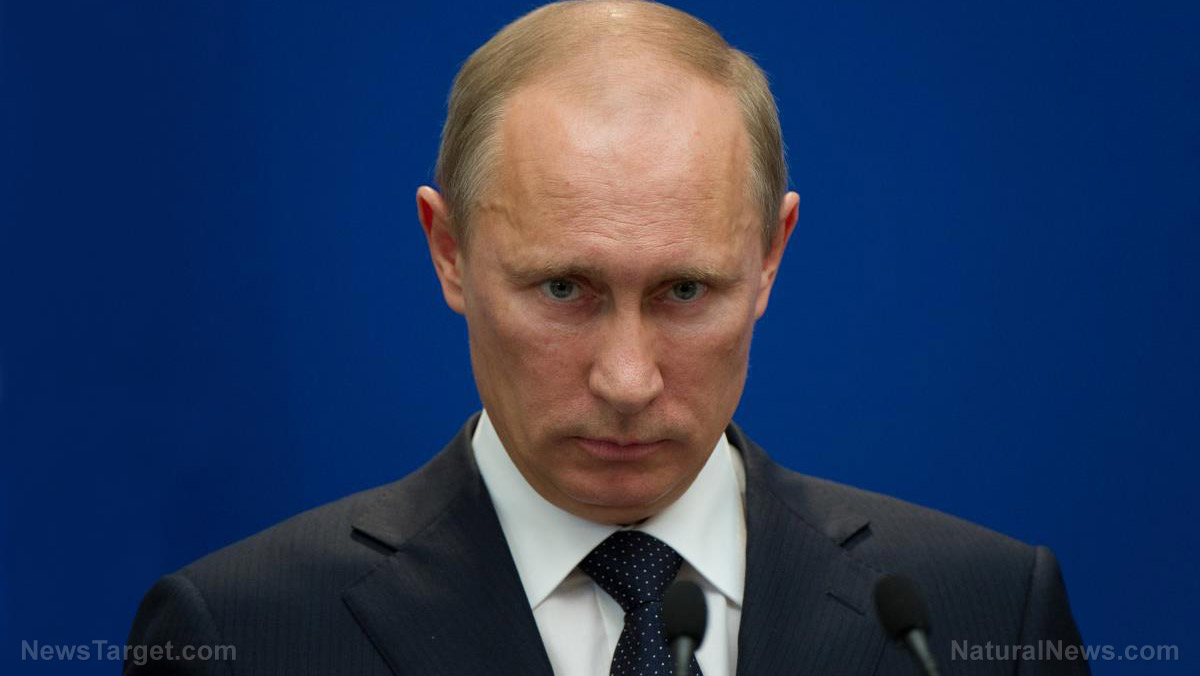
The strikes came just hours after Putin warned that Russia would strike back for Ukraine's assault on the Kerch Strait Bridge, a 12-mile span he personally opened in 2018 to connect Crimea to the Russian mainland. Speaking in Shenzhen, China, following a three-way meeting with President Trump and Chinese leader Xi Jinping, Putin insisted the bridge was a purely civilian facility not used for military transport — a claim Kyiv strongly denies.
"I believe that our actions in response will be far more painful than what the Kiev regime did to the bridge," Putin said, according to state media. "The bridge will be restored."
The Russian leader also ruled out negotiating a limited ceasefire, insisting that Russia would not make any agreements after the bridge strikes. His comments put any near-term pauses in hostilities in jeopardy, even as Trump envoys Steve Witkoff and Jared Kushner met with Ukraine's European backers, who floated NATO membership for Kyiv yet again.
Ukraine's power grid reels under hundreds of drones and missiles
Zelenskyy said that Russia fired more than 400 drones and at least 110 missiles, including 27 ballistic missiles, in strikes that left at least eight civilians dead. The attack forced Ukraine's three working nuclear power plants to cut their output, while emergency blackouts affected 11 regions.
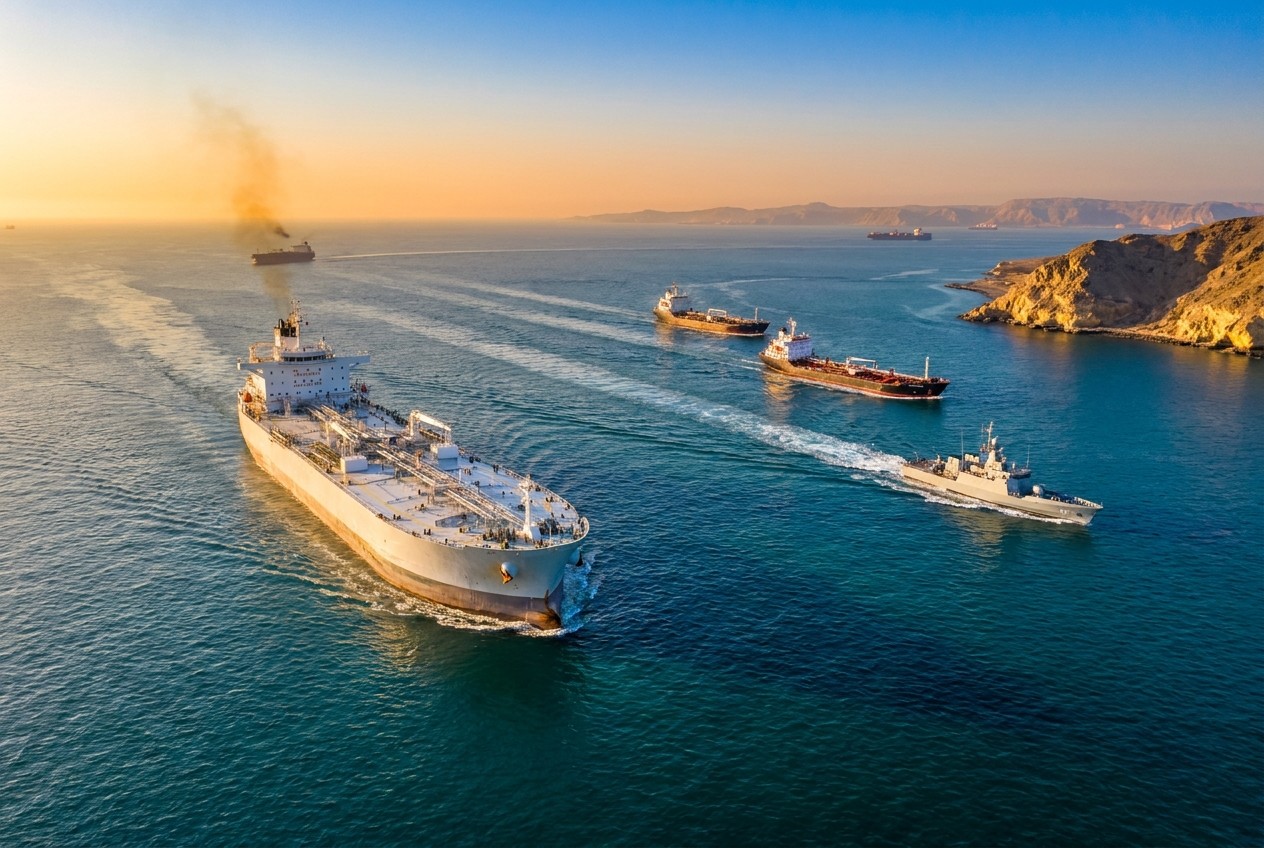
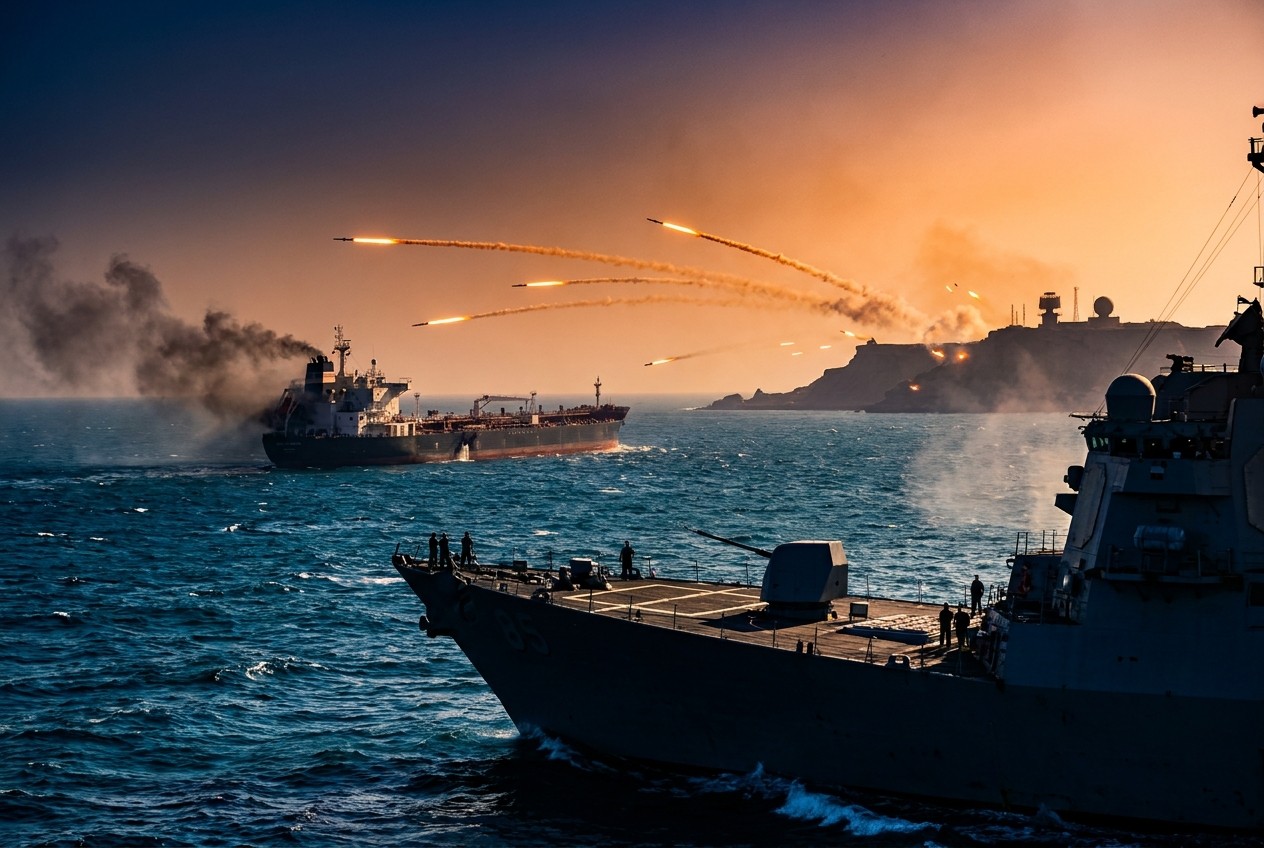
The strikes also hit a dry cargo vessel carrying military supplies into Odesa's port, underscoring Russia's determination to cut off the maritime supply routes that have sustained Ukraine's war effort. Putin stated that he heard calls for a naval ceasefire but was unwilling to negotiate one after the bridge attack, leaving the Black Sea another battlefield in this grinding conflict.
As winter approaches, the message from Moscow is clear: the war on supply lines has only just begun. The question for Western capitals that are still bankrolling Kyiv is how many more bridges they’ll be willing to pay to rebuild.
Sources for this article include:







Please contact us for more information.


