


Because the body cannot produce vitamin C or store large amounts of it, people need a regular supply through their diet or supplements.
If you're looking for a convenient way to maintain your intake, a non-GMO vitamin C supplement may be worth considering as part of a balanced wellness routine.
Why the body needs vitamin C
Also known as ascorbic acid, vitamin C helps protect cells from damage caused by free radicals. These unstable molecules form naturally during metabolism and can also develop through exposure to certain environmental factors.
As an antioxidant, vitamin C helps the body manage this everyday oxidative stress.
Vitamin C also plays an essential role in collagen production. Collagen is a structural protein found throughout the body, including the skin, bones, cartilage, blood vessels and connective tissue.
Your body needs vitamin C to produce and maintain this protein, making the nutrient an important part of everyday health and normal tissue maintenance.
Another valuable function is its role in iron absorption. Vitamin C helps the body absorb non-heme iron, which is the type found in plant-based foods. Eating vitamin C-rich foods alongside beans, lentils and leafy greens can help the body make better use of the iron in these meals.
Together, these functions explain why maintaining a steady supply of vitamin C is an important part of a balanced diet.
Natural food sources provide a strong foundation
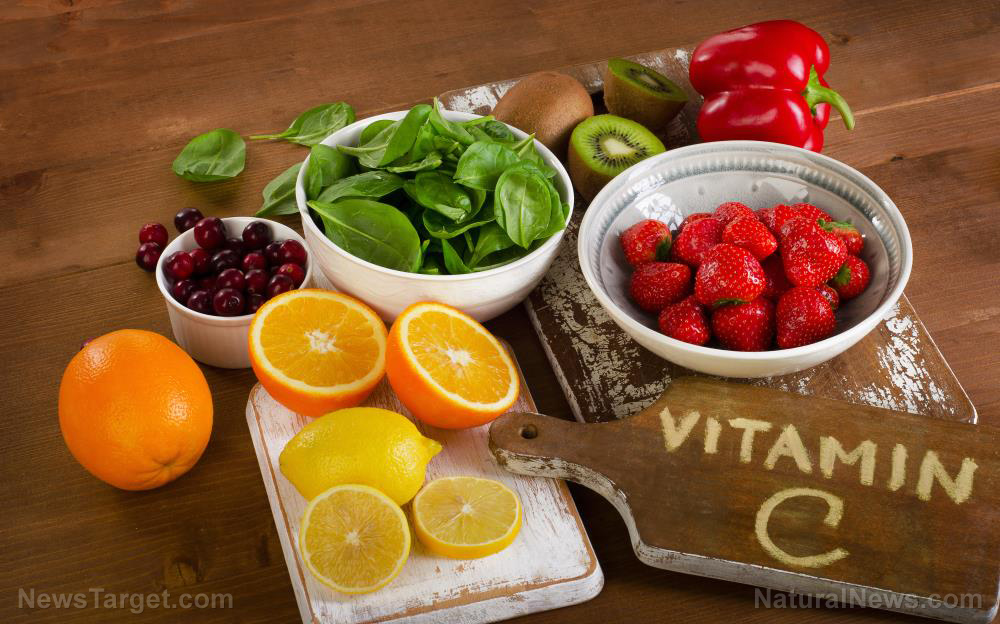
Fruits and vegetables are the primary dietary sources of vitamin C. While oranges, grapefruit and other citrus fruits are familiar choices, plenty of other foods can contribute to daily intake.
Strawberries, kiwi, guava, bell peppers, broccoli, Brussels sprouts, tomatoes, cantaloupe and potatoes also contain vitamin C. Including a variety of these foods in regular meals can help people obtain the nutrient while enjoying different flavors and textures.
However, vitamin C is sensitive to heat and prolonged storage. Food preparation and storage methods can affect how much remains in produce by the time it is eaten.
Including a mix of fresh, frozen, raw and lightly cooked fruits and vegetables can help people maintain a varied intake.
Adults generally need between 75 and 90 milligrams (mg) of vitamin C daily, although requirements differ according to age, sex and life stage. Needs increase during pregnancy and breastfeeding.
People who smoke also require additional vitamin C because smoking increases oxidative stress and may lower the body's vitamin C levels.
Most people can meet their needs through a varied diet. However, those who eat limited amounts of produce, follow restrictive diets or have certain health conditions may find it harder to get enough.
Choosing a non-GMO vitamin C supplement
Although food should remain the foundation of a healthy diet, busy schedules and inconsistent eating habits can make daily nutrient intake challenging. Since the body does not store large amounts of vitamin C, regular consumption matters.
A supplement can provide a convenient way to help fill gaps when dietary intake is limited.
For shoppers who prefer non-GMO products, checking supplement labels is an important step. A non-GMO designation can help consumers identify products that meet their preference for ingredients that are not genetically modified.
Other label details also deserve attention, including the amount of vitamin C per serving, the recommended serving size and any additional ingredients in the formula.
Third-party certifications may provide further information about product characteristics. Depending on individual preferences, shoppers may look for labels indicating non-GMO, gluten-free, vegan or kosher status.
It can also be useful to choose formulas with minimal unnecessary binders, fillers, artificial flavors or additives.
More vitamin C is not necessarily better. The body's ability to absorb the vitamin decreases as intake increases, and large amounts may cause diarrhea, nausea or stomach cramps. For adults, the tolerable upper intake level is 2,000 mg per day from food and supplements combined.
Ultimately, a non-GMO vitamin C supplement can be a convenient addition to a thoughtful wellness routine, but it should complement rather than replace a balanced diet. By eating a variety of vitamin C-rich foods and reading supplement labels carefully, you can make informed choices that support your everyday nutritional needs.
Where to buy lab-verified Non-GMO Vitamin C capsules
The Health Ranger Store is committed to helping you find lab-verified and glyphosate-tested supplements that support overall well-being. That's why we're offering you clean, lab-verified and healthy products such as Groovy Bee® Non-GMO Vitamin C Capsules 60 caps (600mg each).
The Health Ranger Store has gone to great lengths to secure new, ultra-clean lots of one of the cleanest vitamin C supplements on the market. Our premium Groovy Bee® Non-GMO Vitamin C Capsules 60 caps (600mg each) provide a purified and highly bioavailable form of vitamin C in a convenient capsule format.
You can trust that our non-GMO vitamin C capsules are carefully manufactured following our stringent standards for purity and safety. The vitamin C capsules are sourced entirely from non-GMO origins.
Our premium-grade vitamin C capsules are also non-China and certified Kosher.
They are also thoroughly lab tested for glyphosate, microbiology and heavy metals.
Visit Health Ranger Store and Bright Shop to find more supplements that help maintain overall well-being.
Sources include:










Please contact us for more information.


