


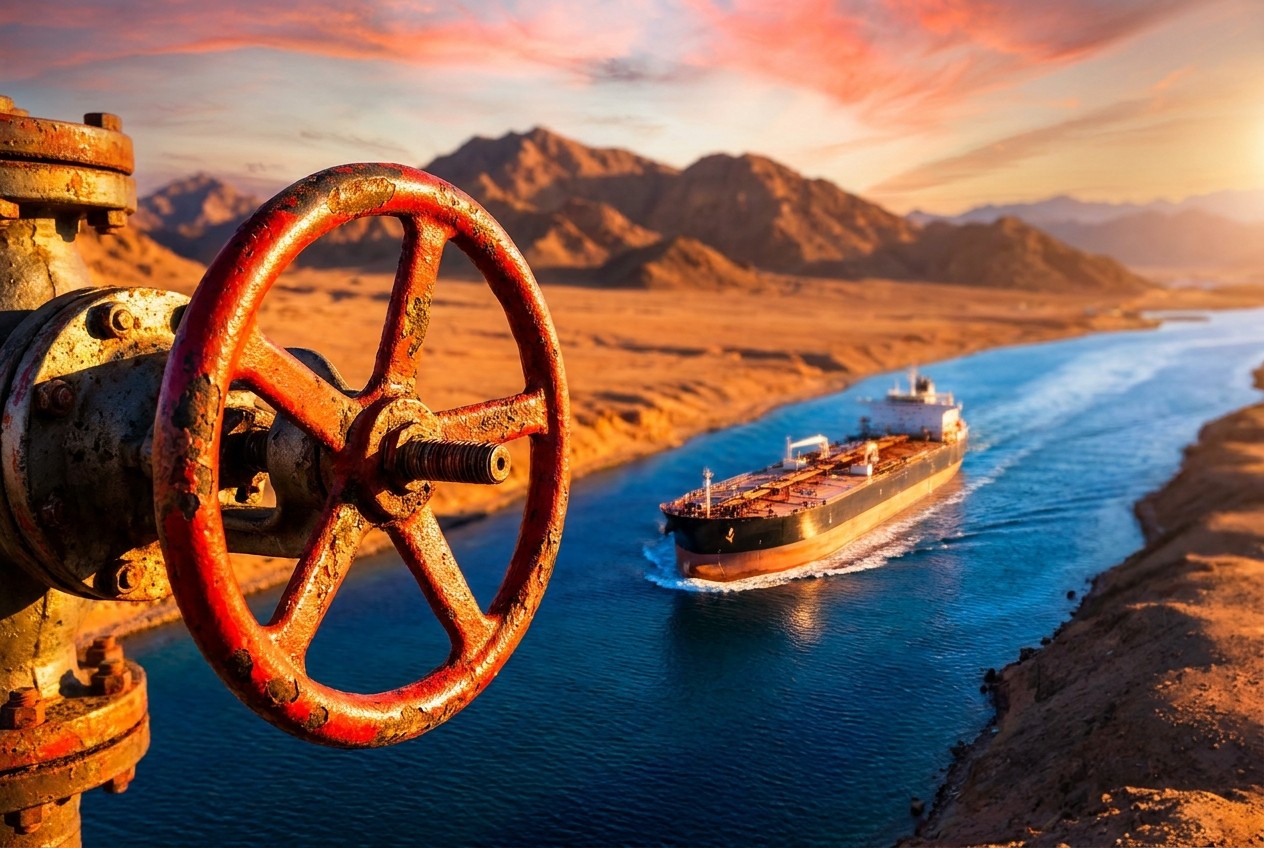
- Brent crude prices have fallen roughly 20% from an October peak near $118 to around $94 per barrel, but a prolonged U.S.-Iran stalemate is establishing a high price floor.
- Attacks on vessels in and near the Strait of Hormuz hit a wartime monthly record of 37 in October, with at least 10 more ships struck in the first 10 days of November.
- Shipping costs remain crippling: moving a barrel of crude from the Middle East Gulf to Asia cost over $37 by mid-October, more than five times pre-war levels.
- Iran’s top negotiator declared the Strait of Hormuz will never return to pre-war navigation rules, effectively rejecting the 1982 UN Convention on the Law of the Sea for the waterway.
- U.S. President Donald Trump stated the nation does not need a deal with Iran, asserting Washington already controls Iran’s funds and the strategic strait.
Why a prolonged "no deal, no escalation" standoff may be worse than war
The Strait of Hormuz, the narrow waterway through which 20 million barrels of crude oil flow daily, has become the world’s most dangerous shipping lane. In October, naval and drone attacks on vessels in and near the strait reached a wartime monthly high of 37, according to Washington Institute for Near East Policy data cited by Reuters. At least 10 more ships were hit in the first 10 days of November. The attacks come as Brent crude prices have slipped roughly 20% from a late-October peak of $118 per barrel to around $94 on hopes of de-escalation. Yet the cost of moving oil through the region has not fallen. By mid-October, the International Energy Agency reported that shipping a barrel from the Middle East Gulf to Asia cost more than $37, more than five times the pre-war level. Analysts warn a prolonged U.S.-Iran stalemate may lock in a high floor under oil prices, squeezing consumers and refiners for months to come.
A new normal under the Strait
Iran’s top negotiator, Parliament Speaker Mohammad Bagher Ghalibaf, told Al Jazeera on Wednesday that the Strait of Hormuz navigation would never return to pre-war conditions. He declared that the 1982 UN Convention on the Law of the Sea “does not apply to the strait,” asserting that regulations are governed solely by the laws of the two bordering states, Iran and Oman. This effectively rebukes the concept of international waters in the waterway, signaling that Iran will continue to impose its own rules on shipping. The statement came as U.S. President Donald Trump, in a Truth Social post Thursday, said Washington does not need a deal with Tehran because “we’ve got their Strait.” Brent crude rose more than 1% to around $94 after the post, reflecting market anxiety over the hardening of positions.
Freight costs hit refiners hardest
The soaring cost of shipping is now the dominant driver of oil prices for consumers, not the crude barrel itself. In September, tanker rates surged to historic highs. By mid-October, supertanker earnings on the Baltic Exchange’s Gulf-to-China route reached about $1.29 million per day, according to Signal Ocean data. The pressure has cascaded through the entire tanker fleet. Instead of using very large crude carriers, charterers have split cargoes across smaller Suezmax and Aframax vessels, driving demand for those classes about 20% higher year-over-year in the third quarter. The impact has extended into the product tanker market: shipping Long Range 1 tankers from the Middle East Gulf to Japan cost nearly $27 per barrel in mid-October, five times pre-conflict levels. For Asian refiners, these freight costs have pushed margins into negative territory, eroding the value of processing crude into fuel.
The pipelines that couldn’t
Gulf producers are racing to bypass the strait, but alternatives remain vulnerable. Saudi Arabia’s East-West Pipeline, which allows crude to reach the Red Sea without transiting Hormuz, was struck by drone attacks on Sept. 11, 2026. While the kingdom repaired the line within days, the disruption compounded an already tight freight market. The Houthi maritime blockade of Saudi navigation through the Bab el-Mandeb Strait has further lengthened voyage times and reduced fleet efficiency. The United Arab Emirates has doubled down on pipelines to Fujairah on the Gulf of Oman, offering an alternative export route. Yet these bypasses cannot fully replace the 20 million barrels per day that flow through Hormuz. With Iran refusing to restore pre-war navigation rules and the U.S. signaling no interest in negotiations, the oil market may have to accept that the new normal has already arrived. Until a deal emerges or producers and buyers adapt, a high floor under oil prices will remain, punishing consumers and refiners alike.
Sources for this article include:





Please contact us for more information.


