


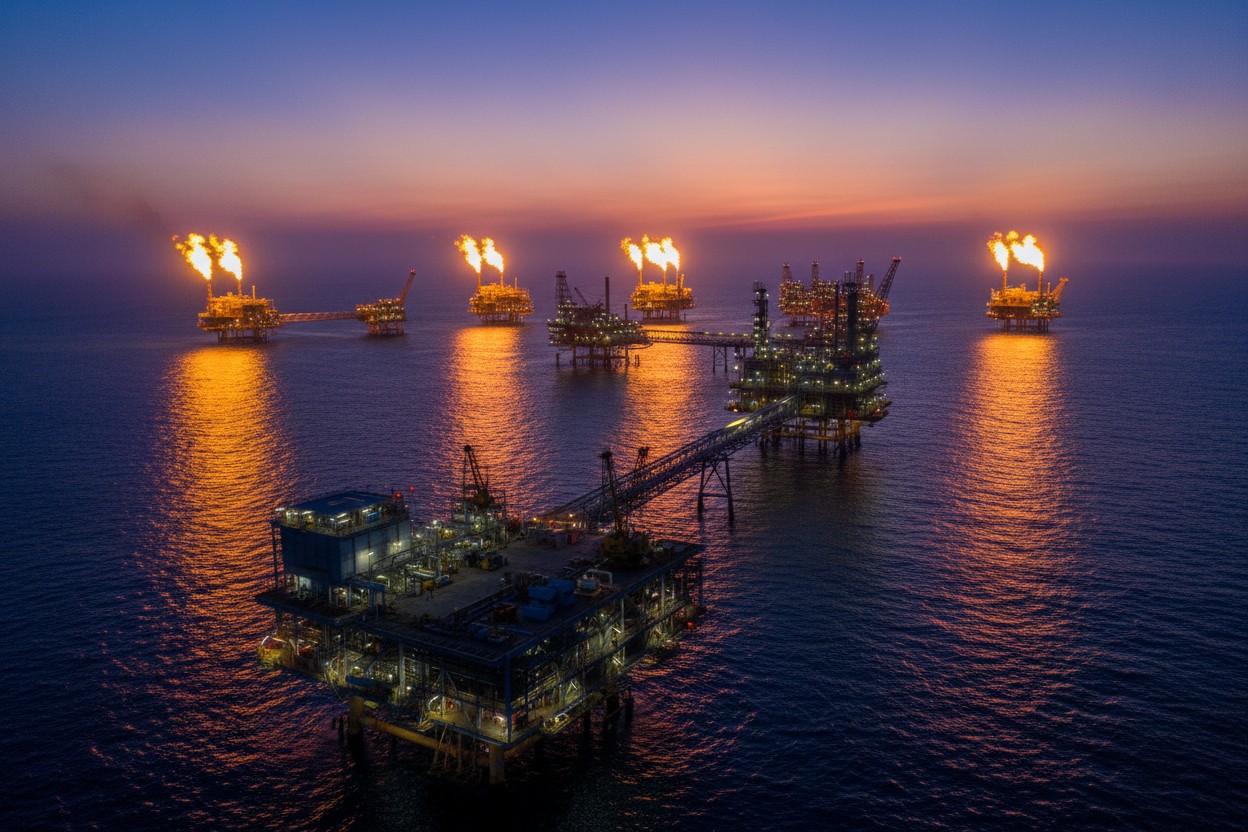
The facts paint a chilling picture: Since the Israel-Iran conflict erupted, at least 47 ships have been attacked in the strait. Iran demands transit authorization, while the U.S. and its allies enforce a naval blockade. Commercial vessels, caught in the crossfire, face a choice: pay exorbitant war-risk insurance premiums or risk becoming targets. Meanwhile, analysts like those at the Washington Institute for Near East Policy note a troubling trend: attacks are no longer isolated incidents but a calculated strategy to weaponize energy scarcity.
Key points:
- The Strait of Hormuz is a critical energy chokepoint, with 20 million barrels of oil transiting daily, making it a strategic target for geopolitical leverage.
- Recent escalations, including mine attacks on LNG carriers and rising war-risk insurance premiums, signal a deliberate effort to destabilize energy markets.
- Analysts warn that economic warfare through scarcity (not physical blockades) may be the true goal, fracturing alliances and inflating costs for ordinary citizens.
- The conflict exposes systemic vulnerabilities in global energy dependence, with implications for food, heating, and economic stability.
- Calls for energy sovereignty, diversified supply chains, and transparent diplomacy emerge as urgent solutions to avoid a “$10 per gallon gas” crisis.
A chokepoint’s dual role: Lifeline and lever
The Strait of Hormuz is more than a shipping lane; it is a $600 billion-a-year lifeline for Europe, Asia, and the U.S., funneling 20% of global LNG and 20% of crude oil. Qatar, the world’s largest LNG exporter, relies entirely on this route. When the strait is contested, energy markets convulse. The recent Dutch TTF benchmark soaring to €100 per megawatt hour (a level not seen since 2022) illustrates the stakes here. Yet the real weapon isn’t the mine set by whomever, but the market that will be throttled because of the loss.
War-risk insurance premiums, now 3–10% of a vessel’s value, have priced many carriers out of the strait. A $100 million tanker now pays up to $10 million per transit. Kpler, a logistics analytics firm, argues this “financial blockade” is more effective than physical attacks. As one analyst put it, “The market closes the strait. A navy doesn’t.” This economic warfare (where scarcity is manufactured by fear, not force) targets not just energy but the very fabric of globalized society.
Scarcity as a social engine
The consequences of this engineered scarcity are cascading. Winter is approaching, and Europe’s gas storage - currently at 72.65% - falls short of its 80% target. Fertilizer prices, which spiked earlier this year, threaten global food security. But the most insidious impact is social: as nations compete for dwindling supplies, alliances fracture. Pakistan’s desperate plea to Iran for safe passage, only to see its LNG carrier attacked, underscores the fragility of international cooperation. When energy becomes a bargaining chip, solidarity crumbles.
This is not the first time the strait has been weaponized. In 2019, Iran briefly closed it during U.S.-Iran tensions, sending oil prices surging. Yet the 2023 crisis feels different: more calculated, more prolonged. The message is clear: control energy, and you control economies, societies, and even democracies.
The hidden architects of scarcity
While Iran and the U.S. dominate headlines, deeper forces may be at play. The strait’s vulnerability mirrors broader patterns of globalist manipulation. Energy scarcity, like climate change or pandemics, serves as a wedge to divide nations, erode sovereignty, and push centralized control. Consider the parallels: when oil prices spike, governments are pressured to adopt “solutions” like carbon taxes, renewable mandates, or digital ID systems for energy rationing. The result? A world where energy is not a right but a privilege, rationed by algorithms and oligarchs.
Moreover, the strait’s crisis aligns with long-standing efforts to undermine energy independence. The U.S. and Europe, despite their rhetoric on diversification, remain dependent on a single route for critical energy. This dependence is not accidental but systemic: a legacy of decades of corporate lobbying, regulatory capture, and geopolitical myopia.
The LNG tanker that burned in the strait was not just a ship; it was a symbol. Its cargo, meant for a family’s winter, became a casualty of a war no one voted for. As the strait’s fires dim the horizon, the question remains: is this war really us versus them, or will the world recognize this as a crisis of manipulation and control over all of us?
Sources include:




Please contact us for more information.


