


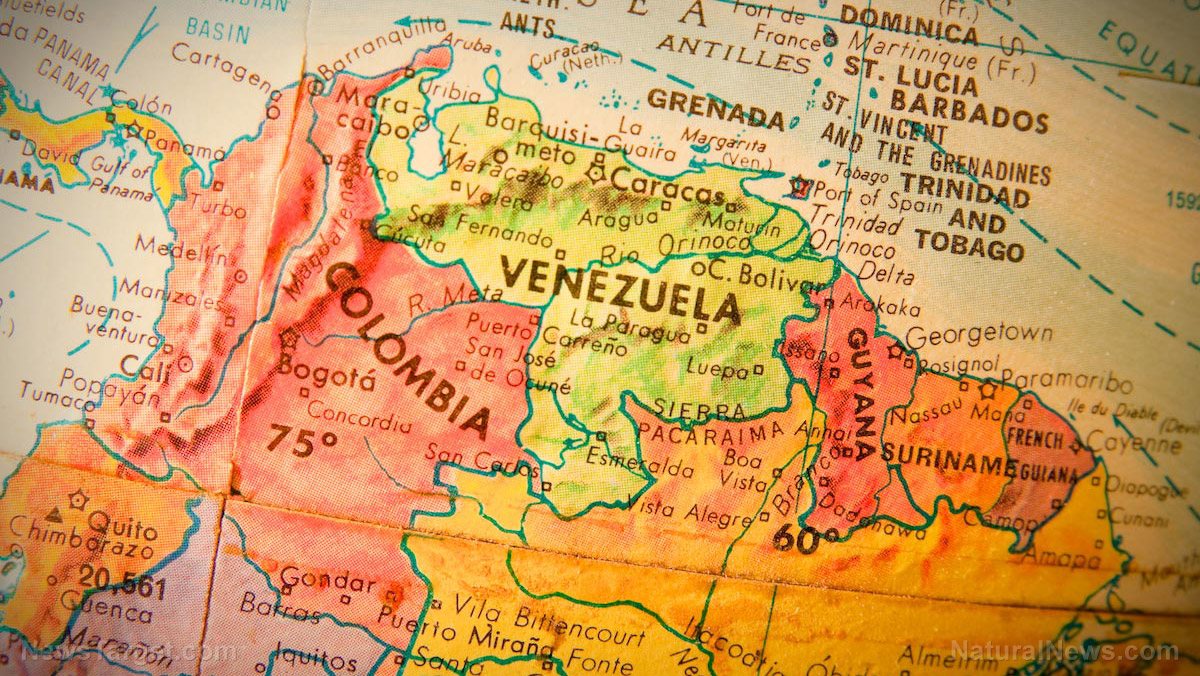
- The United States seized control of Venezuelan oil revenue after capturing then-President Nicolás Maduro.
- A KPMG report shows more than $12 billion of the $12.26 billion collected was returned to Venezuela.
- About $133 million was spent directly on Venezuelan government services and supplies.
- $168.6 million remained in a U.S. Treasury escrow account as of Sept. 30, raising control questions.
- Heavy redactions obscure the final recipients of billions in oil revenue.
The United States has essentially been acting as Venezuela's banker since January, and the ledger is finally public. After U.S. forces captured then-President Nicolás Maduro and brought him to New York on drug-trafficking charges, Washington seized control of the South American country's oil industry — and the revenue it generates.
Now, a Nov. 12 State Department report prepared by accounting firm KPMG reveals that more than $12 billion of the $12.26 billion collected from Venezuelan oil, gold, coal and fertilizer sales had been returned as of Sept. 30. That's almost 99 percent of the total. But the remaining $168.6 million sitting in a U.S. Treasury escrow account raises an uncomfortable question: Who decides where it goes?
A bold experiment in financial guardianship
The arrangement is highly unusual, not to mention controversial. Under the energy pact Washington struck with Venezuela's interim authorities, Venezuela's oil is sold to purchasers on the global market, but the proceeds land in a U.S.-managed account. Caracas must then ask Washington's permission to tap those funds for infrastructure projects and humanitarian relief.
The KPMG report states "a key objective of the financial oversight program is to support the transparent and controlled disbursement of natural resource revenues," but the emphasis is largely on control: State Department and Treasury officials must sign off on every transaction, the Boston Globe reported.
Since January, around 20 companies — their names redacted from the report — have purchased Venezuelan oil and gold, each screened by Washington for sanctions violations and money laundering. It's a far cry from how Venezuela's government once managed its own oil money, with little outside scrutiny.
$133 million spent directly, $5 million went to a Miami law firm
The majority of the returned funds, roughly $9.4 billion, went to businesses and other legal entities in Venezuela, while roughly $2.9 billion was disbursed to individuals, mostly via currency deals with Venezuelan banks aimed at propping up the struggling bolivar. But about $133 million was spent directly on services and supplies for the Venezuelan government. The report lists some eyebrow-raising line items: nearly $24 million for dialysis and coal-mining equipment, $8.7 million to settle Venezuela's vaccine debts with the Pan American Health Organization, and $5 million for the Miami-based law firm Greenberg Traurig. The documentation is welcome, but the report is full of redactions, which means the public still can't see who the final recipients are or exactly how the money is being spent.
What the leftover $169 million means for trust and control
The $168.6 million still sitting in the Treasury escrow account as of September 30 represents a sliver of the total — just over 1 percent. But by any everyday measure, that's hardly pocket change. The Trump administration has touted Venezuela's oil revenue as a centerpiece of its foreign policy success story, with President Trump himself talking up the money the U.S. would receive on the campaign trail ahead of the recent midterms, although nearly all of it has been sent back.
Yet the unanswered questions linger: How long will Washington keep its hand on the faucet? What happens if Venezuela's interim government and Washington disagree on priorities? Venezuelan rights activists, meanwhile, are concerned Washington will prioritize oil money over democratic reform. The report bills the disclosure as an effort to "promote transparency and accountability," but the real test will come as more oil money flows in — and someone has to decide whether Venezuela's people get their money or just a carefully managed allowance.
Sources for this article include:





Please contact us for more information.


