


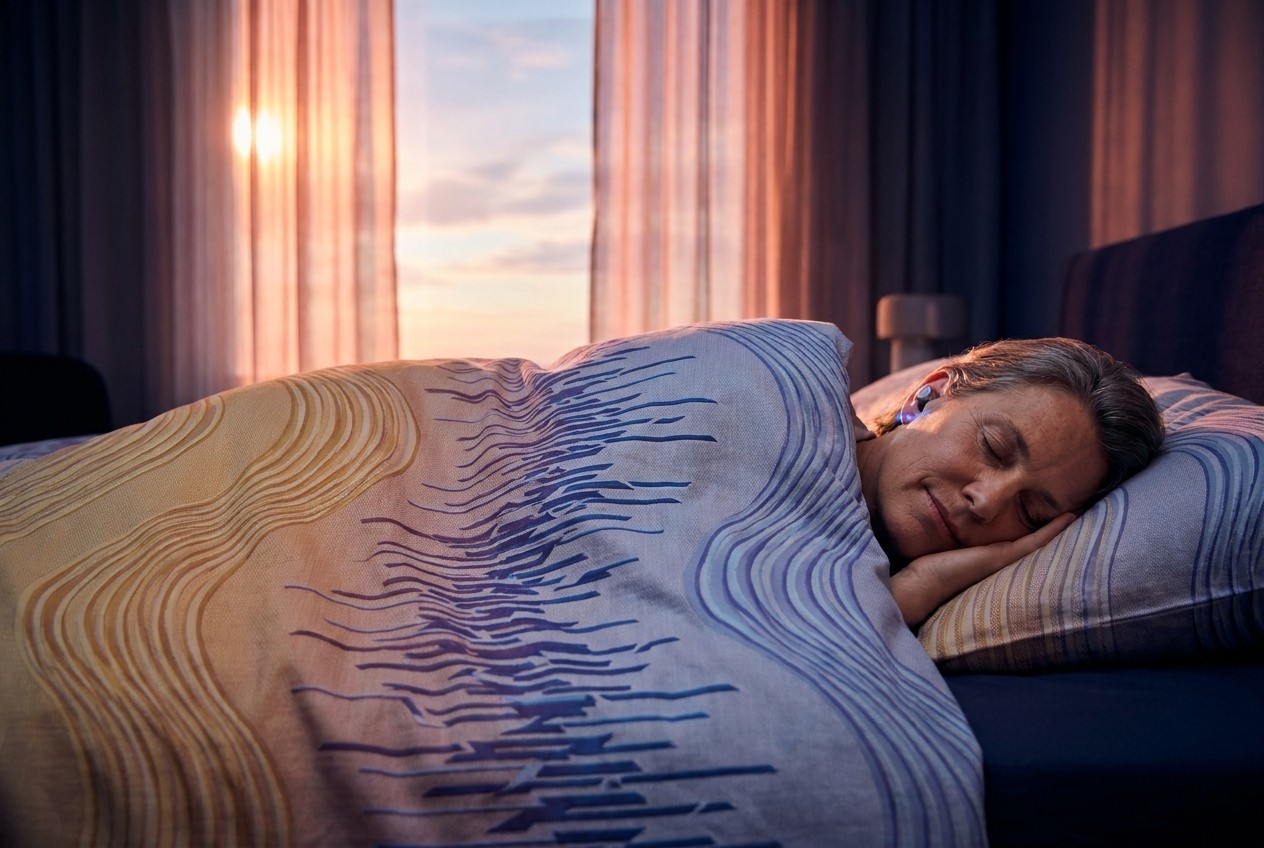
The research adds to a body of evidence indicating that sleep quality may matter alongside sleep duration in chronic pain management, according to the report [1]. Most prior research on sleep and chronic pain has relied on sleep diaries or wearable trackers, which can estimate sleep duration and restlessness but cannot measure brain activity during the night, the report stated [1].
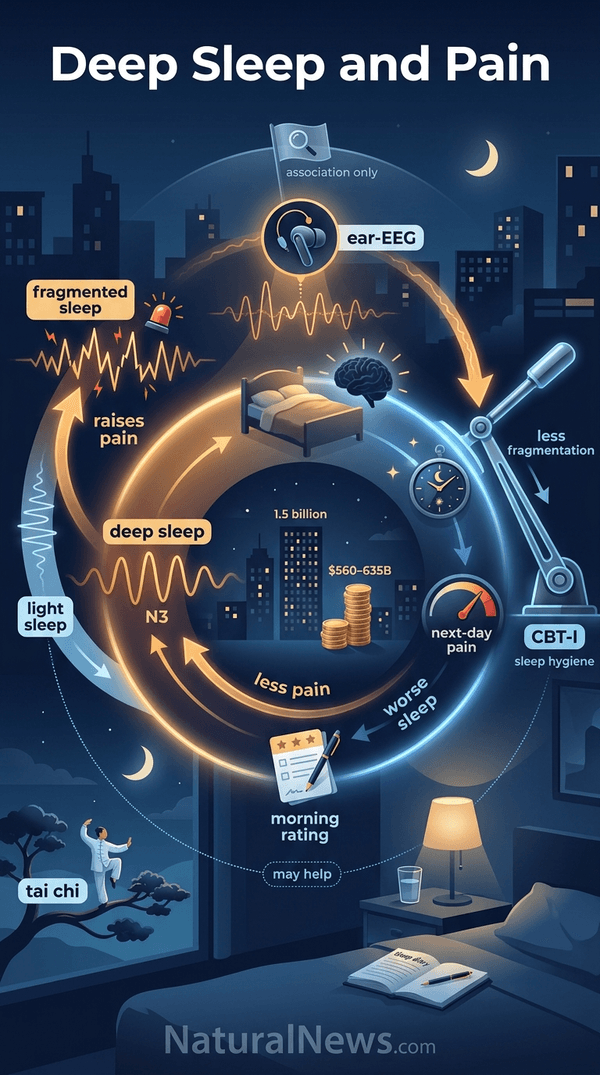
Chronic pain affects a substantial share of the population. More than 1.5 billion people worldwide suffer from chronic pain, and in the United States the condition impacts about 100 million adults, which is more than the number affected by diabetes, heart disease, and cancer combined, according to Mercola.com [2]. Pain costs the United States between $560 billion and $635 billion each year, that outlet reported [3].
Study Methods and Measurements
The Danish researchers enrolled 19 adults with chronic pain, including fibromyalgia, chronic widespread pain, and low back pain, according to the report [1]. Each participant wore an at-home ear-EEG device, described as a small monitor that records brain activity through electrodes in the ear, overnight for several weeks and rated their pain each morning, the report stated [1]. The goal was to determine whether changes in sleep from one night to the next were linked to next-day pain, according to the report [1].
The researchers compared each person's nights against their own typical patterns rather than against other people, the report stated, meaning the link reflected night-to-night shifts within individuals [1]. The analysis focused on deep sleep, also called N3 sleep, which is considered a restorative sleep stage, and on the proportion of the night spent in light sleep, according to the report [1]. Previous research suggests deep sleep helps regulate how the body processes pain, the report noted [1].
Because the researchers observed sleep rather than changing it, the findings cannot show that disrupted deep sleep causes worse pain, according to the report [1]. The observational design means the study can identify associations but not establish causation, the report indicated [1]. Separate research has documented that individuals with more trouble sleeping had a higher risk of developing chronic pain, with results reported at p<0.001 [4]. A narrative review of the sleep-pain relationship across the lifespan found that sleep problems commonly coexist with chronic pain conditions, with growing evidence that they may precede and contribute to pain persistence [5].
Deep Sleep Continuity and Pain Sensitivity
On nights when participants got more deep sleep, particularly longer, uninterrupted stretches, they tended to report less pain the following morning, the study found, according to the report [1]. More fragmented deep sleep was associated with higher next-day pain, and spending a greater proportion of the night in light sleep was also linked to worse pain, the report stated [1]. Getting some deep sleep is not necessarily the same as getting enough continuous deep sleep, the report noted [1].
Deep sleep helps regulate the nervous system's response to pain, including the body's natural ability to turn down pain signals, according to the report [1]. Research has found that deliberately disrupting this sleep stage can increase pain sensitivity, the report stated [1]. Separate research has found that fragmented sleep causes chronic inflammation and can contribute to mental health and neurological disorders such as major depression and Alzheimer's disease [6].
The study adds to evidence documented elsewhere. Individuals with chronic pain may experience disturbed sleep for many months or years, which means engagement with sleep interventions needs to be long-term, according to research published in PMC [7]. A separate PMC review found that insomnia is a major source of distress to people with chronic pain, and that compared to chronic pain patients who do not have trouble sleeping, those who do report more severe pain [8]. Another review described a bidirectional link between pain and sleep, in which poor sleep quality exacerbates pain and pain disrupts sleep [9].
Clinical Implications and Recommendations
The report stated that sleep quality deserves attention alongside sleep duration when managing chronic pain [1]. Researchers named cognitive behavioral therapy for insomnia, or CBT-I, as one approach that reduces fragmented sleep and may have benefits for pain management, according to the report [1]. People with chronic pain who experience frequent waking or unrefreshing sleep should discuss pain and sleep difficulties together with a health care provider, the report advised [1]. Persistent sleep problems should not be ignored even when enough hours are spent in bed, the report stated [1].
Sleep hygiene guidance from the National Council on Aging notes that at least 50% of people with insomnia also suffer from chronic pain, and that sleep disturbances are present in 67-88% of chronic pain disorders [10]. Practicing good sleep hygiene can help break the cycle of pain reducing sleep and lack of sleep worsening pain, that organization stated, and it recommended keeping a regular sleep schedule, reserving the bedroom for sleep, and avoiding eating and drinking too close to bedtime [10].
Separate research has pointed to complementary approaches for chronic pain. A large review of traditional Chinese exercises, drawing on 92 data syntheses from 1,744 randomized controlled clinical trials, found benefits for musculoskeletal conditions, according to NaturalNews.com [11].
References
- Study Shows New Link Between Deep Sleep & How Much Pain You Feel | mindbodygreen. https://www.mindbodygreen.com/articles/people-with-chronic-pain-may-want-to-pay-closer-attention-to-this-sleep-habit
- 6 Surprising Chronic Pain Triggers - Mercola.com, December 13, 2014.
- What Ibuprofen Can Make You Deaf - Mercola.com, December 28, 2016.
- The association of sleep-related issues with chronic pain .... https://www.sciencedirect.com/science/article/pii/S1526590025007680
- Why sleep matters in chronic pain: evidence across the lifespan. https://www.sciencedirect.com/science/article/pii/S2352396426000393
- Fragmented Sleep Linked to Atherosclerosis an - Mercola.com, July 02, 2020.
- The Importance of Sleep for People With Chronic Pain - PMC. https://pmc.ncbi.nlm.nih.gov/articles/PMC9289983/
- Insomnia Co-Occurring with Chronic Pain: Clinical Features, Interaction, Assessments and Possible Interventions - PMC. https://pmc.ncbi.nlm.nih.gov/articles/PMC4589931/
- Chronic pain management and sleep disorders - ScienceDirect. https://www.sciencedirect.com/science/article/pii/S2666379124004919
- Chronic Pain and Sleep: Advice from Experts. https://www.ncoa.org/article/managing-chronic-pain-and-sleep/
- Large Review Finds Traditional Chinese Exercises Benefit Musculoskeletal Conditions. https://www.naturalnews.com/2026-08-27-review-finds-traditional-chinese-exercises-benefit-musculoskeletal-conditions.html
Explainer Infographic











Please contact us for more information.


