



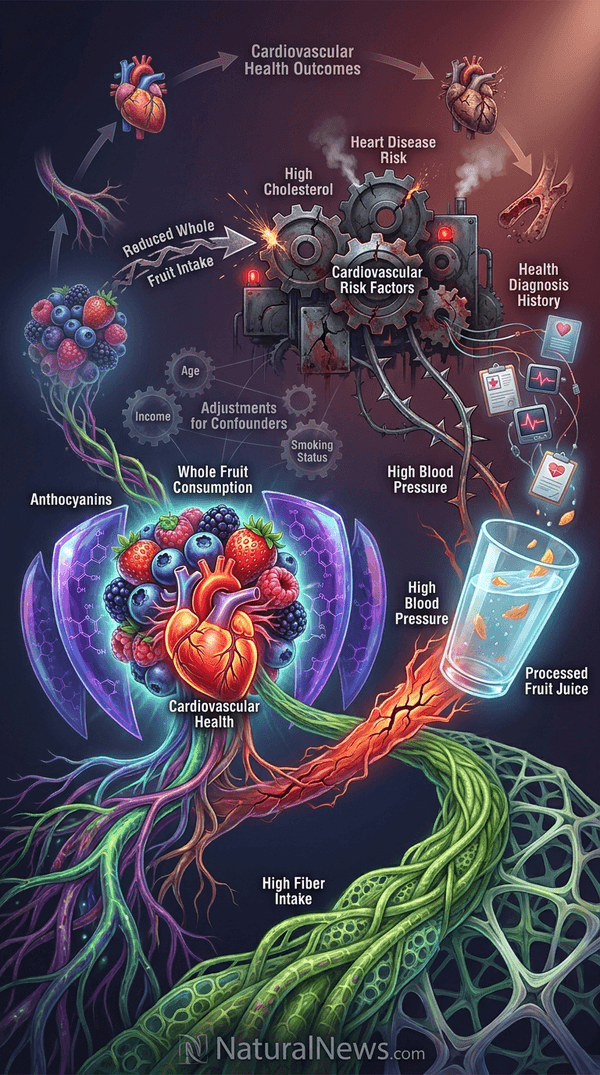
The data were collected in 2019, the report stated. Participants reported how often they consumed whole fruit and 100% fruit juice, and whether a health professional had ever diagnosed them with high blood pressure, high cholesterol, heart attack, angina, coronary heart disease or stroke.
Researchers adjusted for age, education, income and smoking status, according to the report. Most of the associations between lower whole fruit intake and cardiovascular conditions remained after those adjustments.
Study Methodology and Population
The analysis examined self-reported survey responses from 371,038 U.S. adults, with data collected in 2019, according to the mindbodygreen report. Participants reported how often they ate whole fruit and drank 100% fruit juice.
Respondents also reported whether a health professional had diagnosed them with high blood pressure, high cholesterol, a heart attack, angina, coronary heart disease or stroke.
The researchers compared fruit and juice intake between people with and without each condition, accounting for differences in age, education, income and smoking habits. The study was observational, the report stated, meaning it recorded habits and health conditions at a single point in time rather than tracking participants over months or years.
Whole Fruit Intake Patterns by Condition
Adults with high blood pressure, high cholesterol, or a history of heart attack or coronary heart disease reported eating whole fruit less often than those without these conditions, according to the report. Those differences remained after researchers accounted for age, education, income and smoking, the report stated.
The same pattern appeared among people with a history of stroke, although that association did not hold up after the adjustments. The report did not provide a specific numerical breakdown of intake frequency by condition.
The findings echo other research linking fruit consumption to cardiovascular outcomes. One review found that higher habitual intake of anthocyanins, the compounds responsible for the deep blue, red and purple color in berries, was associated with a 26% lower risk of cardiovascular disease, according to a NaturalNews.com report on a meta-analysis that pooled data from 18 large cohort studies and 65 randomized controlled trials [1]. That analysis also linked higher anthocyanin intake to an 18% lower risk of heart attack and an 11% lower risk of Type 2 diabetes.
Juice Intake and Fiber Content
People with high blood pressure, a history of heart attack, coronary heart disease or stroke initially reported drinking 100% fruit juice more often, according to the report. After researchers accounted for other factors, only two associations remained: adults who had experienced a heart attack drank juice more frequently, while those with high cholesterol drank it less often.
Overall, juice intake was low. Participants averaged about one serving of 100% fruit juice every three days, the report stated. The report did not provide a comparison of overall juice intake with whole fruit intake.
The biggest nutritional difference between whole fruit and juice is fiber, much of which the juicing process removes. A cup of orange juice contains 0.5 grams of fiber, compared with 3.6 grams in a cup of orange segments, according to USDA data cited by the researchers. Fiber is well established to help lower cardiovascular disease risk, and most Americans fall short of recommended fiber intake.
The report stated that the fiber gap could help explain the different patterns observed. Elsewhere, the American Heart Association recommends at least 25 to 34 grams of fiber daily, but most Americans consume only 10 to 15 grams per day, according to a NaturalNews.com report [2]. A 2014 Food & Fiber Summit in Washington, D.C., found that only about 5% of Americans meet the Institute of Medicine's daily fiber recommendations of 19 to 38 grams, depending on age and gender, according to a report on the summit [3].
Limitations and Recommendations
The study cannot establish cause and effect because participants reported their diets and health conditions at one point in time, according to the report. Researchers could not determine whether eating less whole fruit contributed to heart problems or whether people changed their diets after receiving a diagnosis.
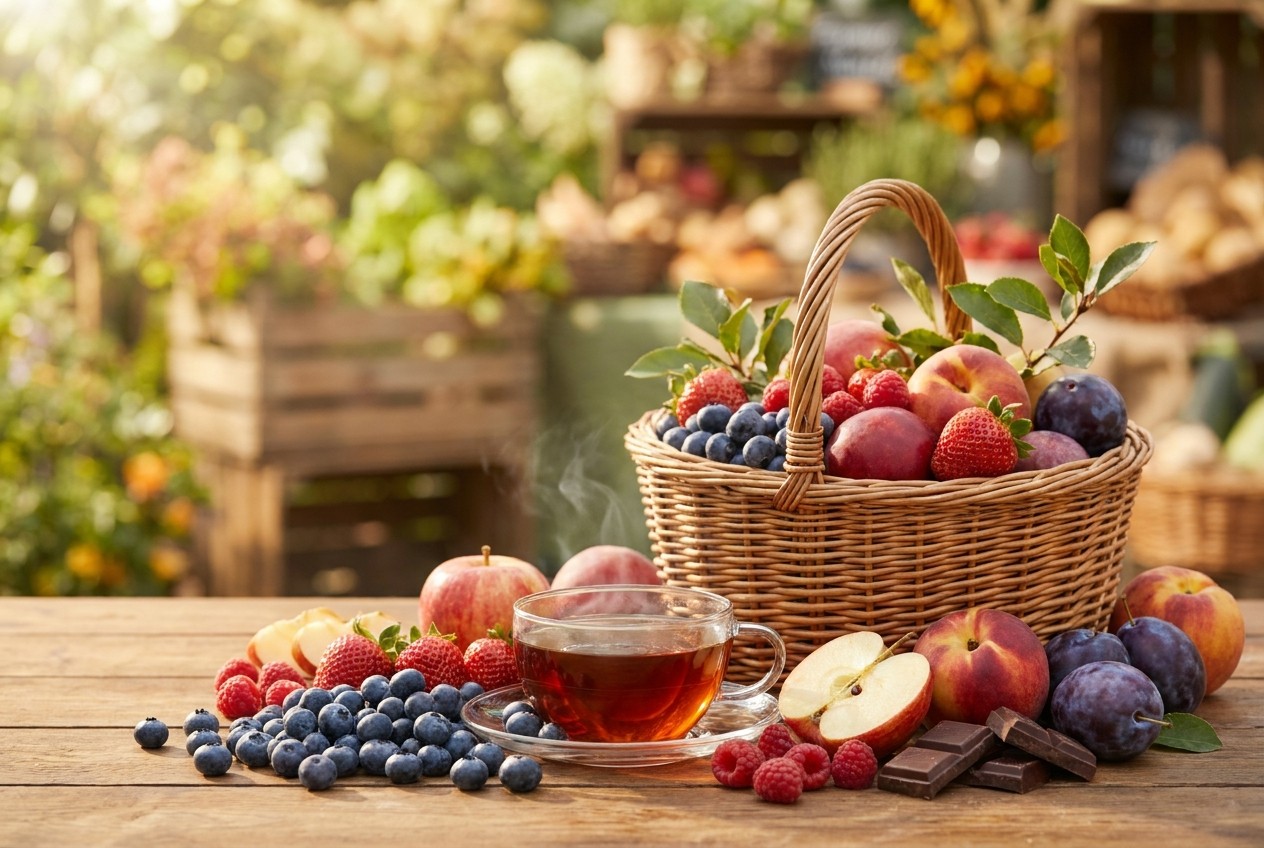
The report suggested several practical steps to increase whole fruit consumption: keeping fruit within reach so an easy snack is ready when hunger strikes, adding fruit to breakfast by mixing berries into yogurt or slicing a banana over oatmeal, and choosing whole fruit over juice more often. Juice can still have a place in a balanced diet, the report stated, but it should not be the only source of fruit.
Multiple researchers have noted that while genetics account for approximately 20% of lifespan, the remainder depends on habits, including diet, according to a NaturalNews.com report on a review published in the British Journal of Pharmacology that examined biological mechanisms underlying the health benefits of a Mediterranean-style eating pattern [4].
References
- Berry Compound Linked to 26% Lower Cardiovascular Risk, Meta-Analysis Finds. https://www.naturalnews.com/2026-08-20-berry-compound-linked-lower-cardiovascular-risk-study.html
- USDA Nutrition Data: Foods With as Much or More Fiber as a Pear. https://www.naturalnews.com/2026-09-29-nutrition-data-foods-with-more-fiber-as-pear.html
- Gradual Fiber Increases May Reduce Bloating, Nutrition Guidance Says. https://www.naturalnews.com/2026-09-23-gradual-fiber-increases-may-reduce-bloating.html
- 6 Foods to Add to Your Diet as You Age, According to Research. https://www.naturalnews.com/2026-08-26-6-foods-add-your-diet-as-you-age.html
Explainer Infographic










Please contact us for more information.


