


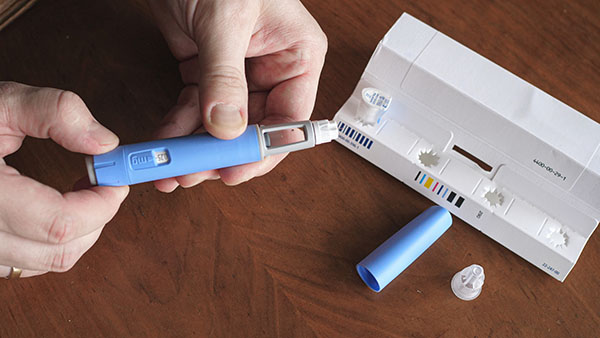
- GLP-1 drugs like Ozempic face new evidence linking them to a permanent eye stroke condition called ischemic optic neuropathy.
- Rutgers researchers found GLP-1 users had up to 86% higher risk of optic nerve damage compared to other diabetes drugs.
- European regulators now recognize this vision loss as a very rare side effect while the FDA continues reviewing the evidence.
- Patients over 50 with existing eye or heart conditions face the greatest danger from these medications.
- A baseline eye exam before treatment and immediate medical attention for sudden vision changes can help protect your sight.
The bitter irony is almost too sharp to ignore. Millions of Americans inject GLP-1 drugs each week hoping to look better in the mirror, yet mounting evidence suggests these same shots may rob them of the eyesight needed to see their reflection. European regulators have confirmed the risk. Hundreds of patients have filed lawsuits. And a major recent study from Rutgers University, published in the Annals of Internal Medicine, adds fresh evidence linking these blockbuster drugs to sudden and often permanent vision loss.
What the Rutgers study actually found about your eyes
Rutgers researchers combed through insurance records from 2017 to 2022, tracking more than 161,000 adults with type 2 diabetes who started taking GLP-1 drugs like Ozempic and Mounjaro. The team compared these patients with people taking two other diabetes medications—SGLT2 inhibitors and DPP-4 inhibitors—over an 18-month period.
The results demand attention. GLP-1 users faced roughly a 55% higher risk of developing ischemic optic neuropathy compared to those on SGLT2 inhibitors, and about an 86% higher risk compared to DPP-4 inhibitor users. This condition, often described as a "stroke of the eye," happens when blood flow to the optic nerve suddenly drops, killing part of the nerve and causing vision loss that is frequently permanent.
Around 85% of patients were over 50, and 70% were men, even though women make up the majority of GLP-1 users. The danger climbed higher for patients who already had eye conditions or cardiovascular problems.
Why the numbers may actually understate the danger
The Rutgers study excluded everyone over age 65, even though the risk of ischemic optic neuropathy rises with age. That means the many older adults taking these drugs could face more danger than these figures suggest.
Earlier research looks even worse. In Denmark and Norway, researchers following more than 61,000 semaglutide users discovered nearly three times the risk of nonarteritic anterior ischemic optic neuropathy, or NAION, which is the most common form of the condition, compared to SGLT2 inhibitor users. Among Norwegian patients, the risk was more than seven times higher.
European regulators now officially recognize NAION as a very rare side effect of semaglutide drugs, estimating it could affect up to 1 in 10,000 people taking semaglutide. Meanwhile, the FDA says it is still reviewing the evidence but has not issued a formal safety warning. Novo Nordisk, the manufacturer of Ozempic and Wegovy, dismisses the lawsuits as "without merit," citing its own company-funded research.
What doctors say about the real-world risk
Medical experts urge caution, not panic. Dr. Manjot Gill, a retina specialist at Northwestern University, told NBC News that while studies show a two- to four-fold increase in relative risk, the absolute risk remains very small. She emphasized that "the overall health benefits of these drugs would likely far outweigh the very small increased risk."
But for patients like Diane Wirth, a 66-year-old nurse practitioner in Georgia who lost vision in her right eye after taking Wegovy, statistics offer little comfort. She woke up one morning and the vision in that eye was simply gone. "There was no warning sign at all," she told NBC News. She says she never would have started taking the drug if vision loss had been listed on the label. She has since stopped driving, retired early, and filed a lawsuit against Novo Nordisk.
Protecting your eyesight before it is too late
A few common-sense steps can help anyone taking or considering these medications. First, get a baseline eye exam before starting treatment so a specialist can spot any existing optic nerve problems that could put you at a higher risk. If you have a "disc at risk"—a crowded optic nerve—NYU Langone ophthalmologist Dr. Douglas Lazzaro says he would likely steer you away from semaglutide.
Know the warning signs. Sudden blurring, a dark shadow over part of your vision, or colors that look washed out require immediate attention. European regulators advise stopping the drug if NAION is confirmed. It also pays to address underlying risk factors like sleep apnea, high blood pressure, and diabetes itself, all well-known contributors to NAION.
Most people on these drugs will never lose their sight, but “rare” is cold comfort to patients like Diane Wirth. Europe already warns patients about NAION, whereas U.S. labels only mention general "changes in vision." Patients deserve to know the full picture before they inject themselves with these drugs, not after. A slimmer waistline should never cost you your eyesight, and knowing the risks is the first step toward making safer choices.
Sources for this article include:






Please contact us for more information.


