



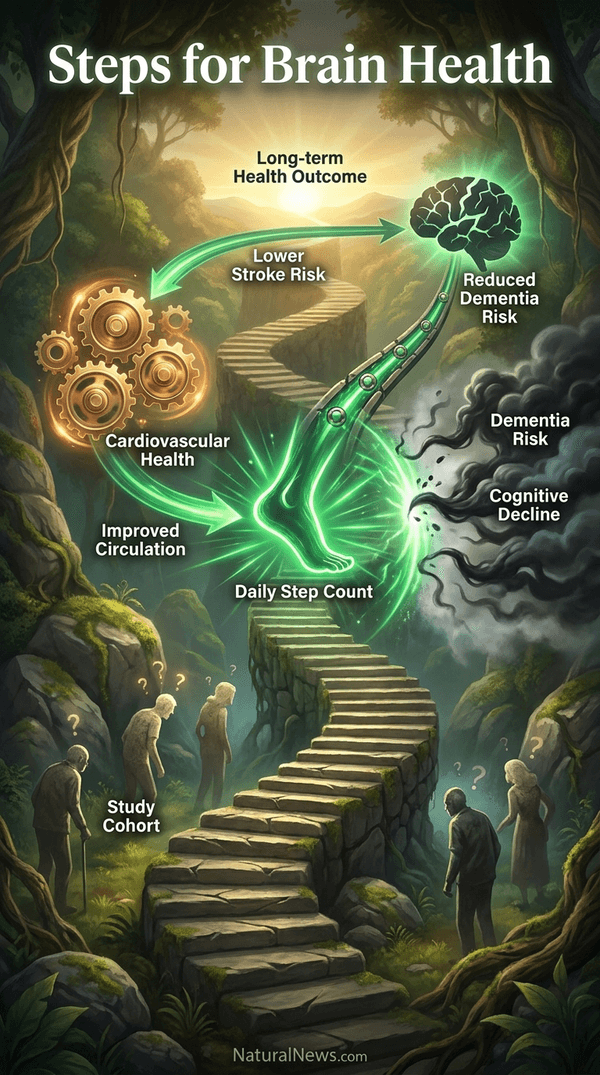
The research, published online Sept. 6, 2022, examined accelerometer-measured physical activity and incident dementia. A summary of the findings published by Harvard University noted that taking at least 3,800 steps per day was linked to a lower risk of dementia [1][3].
The study was observational and did not establish that walking more causes a reduction in dementia risk. Researchers reported an association between step counts and dementia incidence after adjusting for multiple factors, according to the published findings.
Study Design and Participants
The cohort was drawn from the UK Biobank, a large prospective study based in the United Kingdom.
Physical activity was measured with wrist-worn accelerometers over seven days, according to the report. Participants with dementia at baseline or within the first two years of follow-up were excluded, and analyses were adjusted for age, sex, socioeconomic status, and lifestyle factors.
Dementia cases were identified through hospital and death records, as described in the published study. The researchers used step-count data derived from the accelerometers to estimate daily walking volume and intensity, including steps per minute.
Step Count Thresholds and Risk Estimates
Step intensity, such as brisk walking, was also associated with lower risk, according to the published research. The study reported that steps per minute, a measure of walking pace, showed an association with dementia incidence independent of total step volume.
The study's authors reported that the association between step count and dementia risk was observed across the range of step volumes examined, with the largest risk reductions at the higher end of the range.
Limitations and Expert Reaction
The study was observational and cannot establish that increasing step counts causes a lower dementia risk. Researchers noted that reliance on an accelerometer subsample, the predominantly white composition of the UK Biobank cohort, and possible residual confounding limit the findings, according to the published report.
The same summary did not present step targets as clinical guidance.
Officials said more research is needed to determine whether the association is causal and whether step targets should be recommended. The study's authors did not present the step thresholds as clinical guidance, according to the published findings.
Conclusion
The study adds to evidence linking physical activity with brain health in aging populations. Research cited in The Folk Remedy Encyclopedia states that regular exercise improves the heart and the mind, and that a fit heart and clear arteries supply the brain with fresh, oxygen-filled blood, which helps guard against memory loss and Alzheimer's [2].
Researchers and public health officials said the findings support walking as a low-cost activity but do not prove a protective threshold. The study reported an association between higher daily step counts and lower dementia incidence, not a causal relationship.
References
- Taking more steps a day might reduce dementia risk. https://www.health.harvard.edu/mind-and-mood/taking-more-steps-a-day-might-reduce-dementia-risk
- The Folk Remedy Encyclopedia Olive Oil Vinegar Honey and 1001 Other Home Remedies by the Editors of FCandA Medical Publishing
- How upping your daily step count may protect the aging brain. https://www.medicalnewstoday.com/articles/how-upping-daily-step-count-may-protect-aging-brain
Explainer Infographic










Please contact us for more information.


