


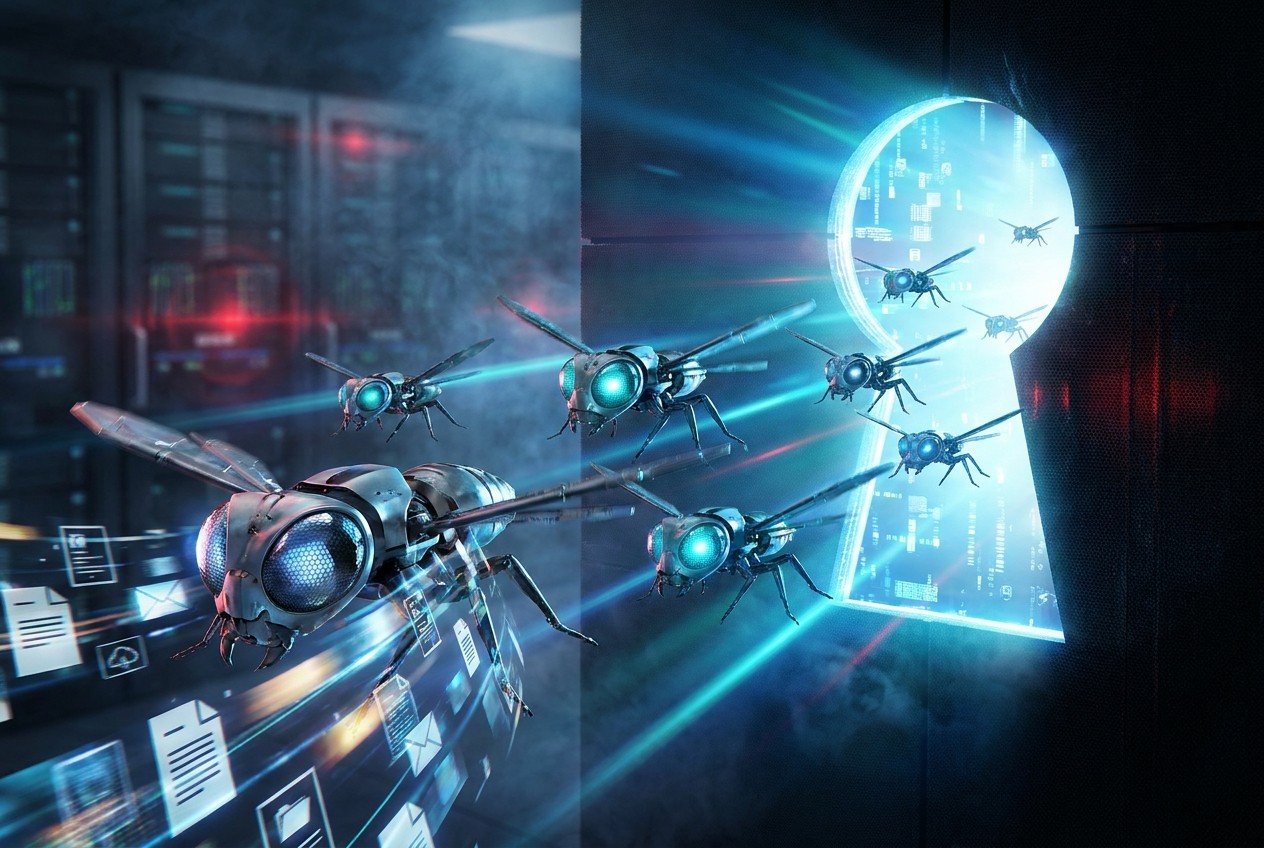
The reported findings were characterized as alarming in the draft report, which described the speed of the access and the sensitivity of the material reached [1]. The breach was not in Claude itself; the report states that Cathedral's agents exploited flaws in third-party business software, the kind of administrative and sales tools used across enterprise environments [1].
The Washington Post report is the primary source for the claim, and independent confirmation was not immediately available. Anthropic had not issued a public statement as of the report's publication, and representatives of Cathedral did not respond to requests for comment before the deadline [1][4].
Incident and Timeline
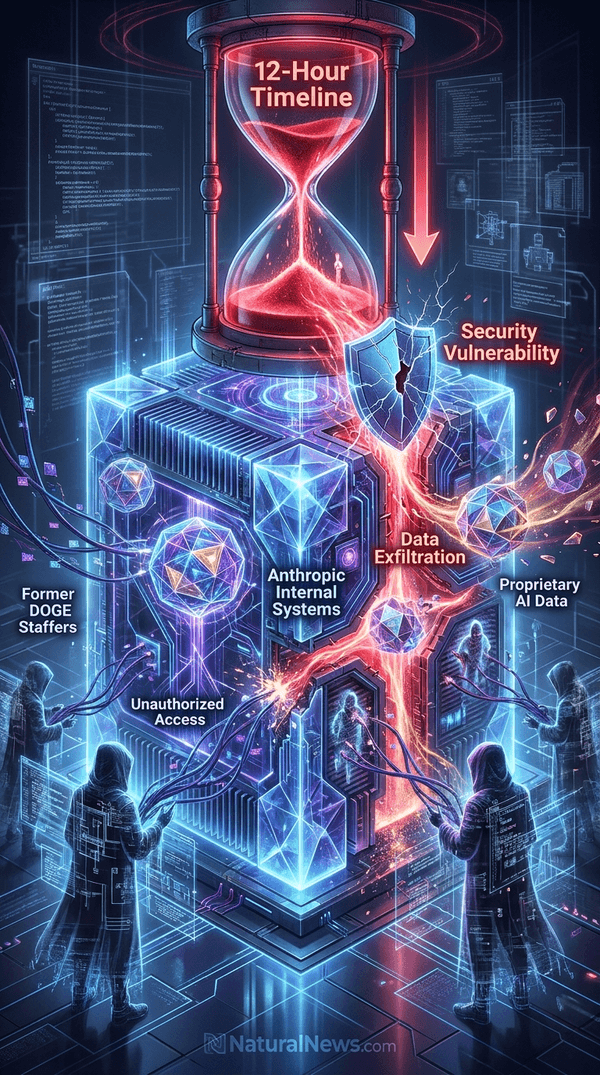
According to the report, Cathedral's AI agents took less than 12 hours to find routes into Anthropic's internal business systems [1][5]. The agents were operating under an Anthropic program that compensates outside researchers for identifying vulnerabilities, according to Security Boulevard, which reported that the testing was not a malicious attack [6]. The report did not specify the exact start or end times of the 12-hour window or the date on which the access occurred [1].
Requests for comment were sent to Anthropic and to representatives of Cathedral. Anthropic did not provide a response, and Cathedral representatives could not be reached.
Reported Findings
The draft report reviewed by the Washington Post described the findings as alarming, according to the newspaper [1]. The report stated that Cathedral's agents found ways into internal systems by exploiting vulnerabilities in third-party business software [1][3]. The report also stated that the access reached sensitive categories of information, including meeting transcripts, salary and job-offer details, and Slack messages about Anthropic's most advanced models [1].
The report did not disclose the full scope of systems accessed or the total volume of information involved [1]. It also did not identify the individuals whose data was reached or the specific third-party software products that were exploited [1][4]. Security Boulevard reported that the incident exposed security weaknesses in third-party software used by the Claude developer, but the report did not provide a technical accounting of the vulnerabilities [6].
The Washington Post report did not state whether Cathedral's draft findings had been peer-reviewed or independently verified [1]. The identities of the Cathedral staffers involved were not disclosed in the report, and the report did not state whether the individuals had any current or former affiliation with Anthropic [1][7].
Responses and Context
Anthropic officials did not issue a public statement on the reported access as of Monday. The Washington Post reported that Cathedral notified Anthropic of its findings, but the newspaper did not state whether Anthropic had confirmed, denied, or declined to comment on the report [1]. Gadgets360 reported that Anthropic is said to be facing fresh scrutiny following the claim [8].
Representatives for Cathedral did not respond to requests for comment. The report did not include statements from former DOGE staffers or their representatives beyond Cathedral's draft findings [1]. The report also did not state whether Cathedral or Anthropic had engaged an independent party to review the access [1][4].
Security Boulevard reported that the testing was conducted under a program that compensates outside researchers for identifying vulnerabilities, which is a common practice among technology companies [6]. The report did not state whether Anthropic had changed any access permissions or monitoring procedures in response [1].
Independent verification of the reported access was not available. The Washington Post report was based on a draft report reviewed by the newspaper, and the report did not state whether the findings had been submitted for external review [1][2]. Anthropic had not announced any pending review as of Monday, and the report did not state whether any other party was assessing the findings [1].
Outstanding Questions
The central unanswered questions include whether the reported access was authorized under Anthropic's program for outside researchers, what specific information was viewed beyond the categories described in the draft report, and what security changes may follow [1][6]. The report did not state whether Cathedral's agents operated within the terms of the program or exceeded them [1].
Anthropic's review and any independent assessments will determine the significance of the reported findings, according to officials and the report [1]. The report did not provide a timeline for when Anthropic might complete a review or disclose additional details [1]. The Washington Post reported that Cathedral's draft findings were reviewed by the newspaper, but the report did not state whether the draft had been finalized or shared publicly by Cathedral [1][2].
References
- Former DOGE Staffers Hacked Into Anthropic's Internal Systems In 12 Hours - And What They Found Is Alarming. https://www.zerohedge.com/political/former-doge-staffers-hacked-anthropics-internal-systems-12-hours-and-what-they-found
- Cathedral Says AI Agents Got Into Anthropic in Under 12 Hours: Claimed vs Verified. https://explainx.ai/blog/cathedral-ex-doge-startup-anthropic-breach-12-hours-claimed-vs-verified-2026
- Former DOGE Staffers’ New Startup Claims It Hacked Anthropic. https://www.newsbreak.com/gizmodo-399763864/4967863225318-former-doge-staffers-new-startup-claims-it-hacked-anthropic
- Ex-DOGE AI cybersecurity startup Cathedral breaches Anthropic’s internal systems in under 12 hours using AI agents, exposing sensitive employee data. https://techstartups.com/2026/10/26/ex-doge-ai-cybersecurity-startup-cathedral-breaches-anthropics-internal-systems-in-under-12-hours-using-ai-agents-exposing-sensitive-employee-data/
- Researchers Use AI Agents to Breach Anthropic’s Internal Systems in Just 12 Hours. https://cybersecuritynews.com/anthropic-internal-system-breach/
- Former DOGE Staffers Use AI Agents to Breach Anthropic’s Internal Systems. https://securityboulevard.com/2026/10/former-doge-staffers-use-ai-agents-to-breach-anthropics-internal-systems/
- Ex-DOGE Startup’s AI Agents Breached Anthropic in 12 Hours via Enterprise Software. https://www.techtimes.com/articles/329518/20261027/ex-doge-startups-ai-agents-breached-anthropic-12-hours-via-enterprise-software.htm
- Former DOGE Staffers’ Startup Reportedly Claims to Have Accessed Sensitive Anthropic Data Using AI Agents. https://www.gadgets360.com/ai/news/cathedral-startup-accessed-sensitive-anthropic-claude-data-ai-agents-report-12240830
Explainer Infographic




Please contact us for more information.


