


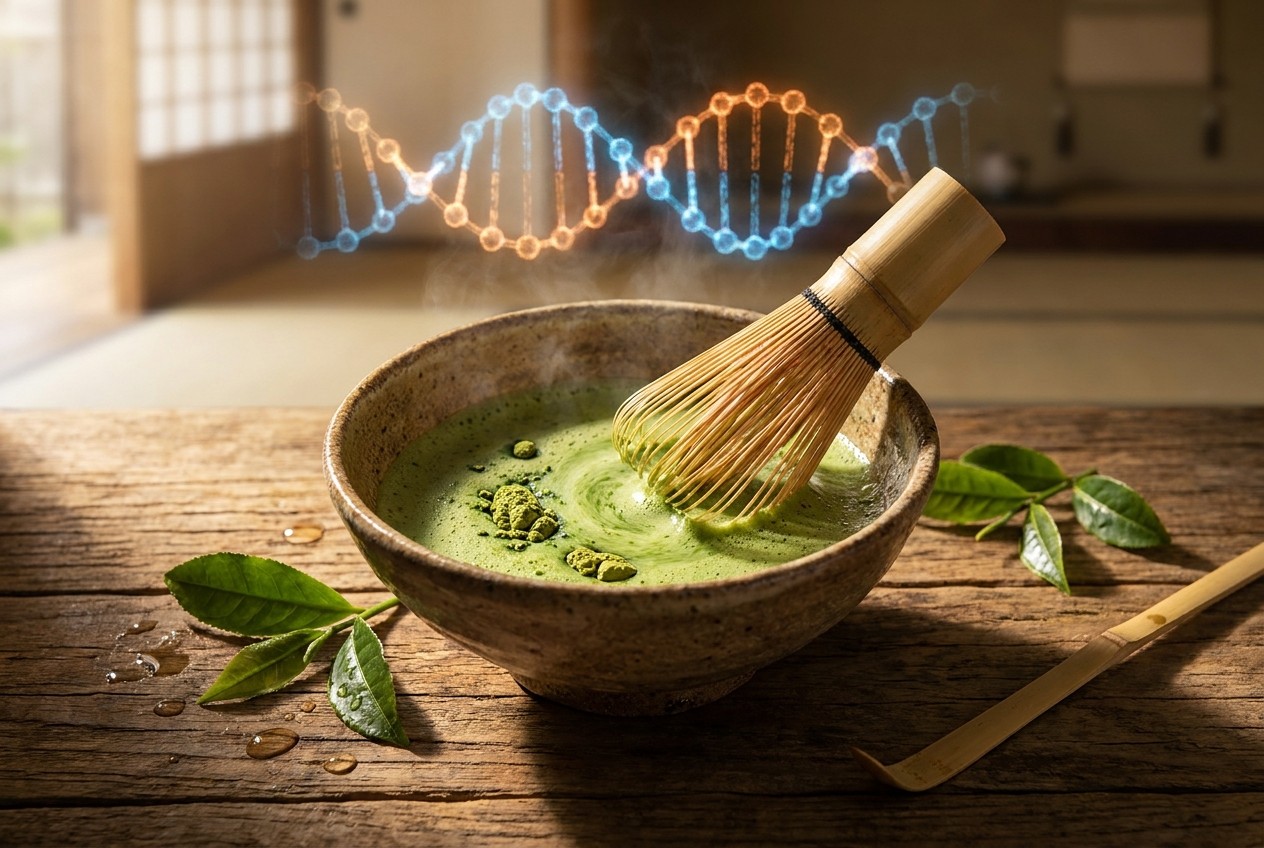
The report cited registered dietitian Asako Miyashita and Japanese tea ritual master Yoshitsugu Nagano for perspectives on quality, preparation, and tradition. According to the article, matcha offers a gentler boost than coffee but carries caveats involving caffeine content, labeling, freshness, and contaminants.
In the report, Genrich stated that matcha's combination of caffeine and L-theanine distinguishes it from other tea products. The article stated that consumers should weigh individual tolerance and product selection when considering the drink.
What Makes Matcha Different
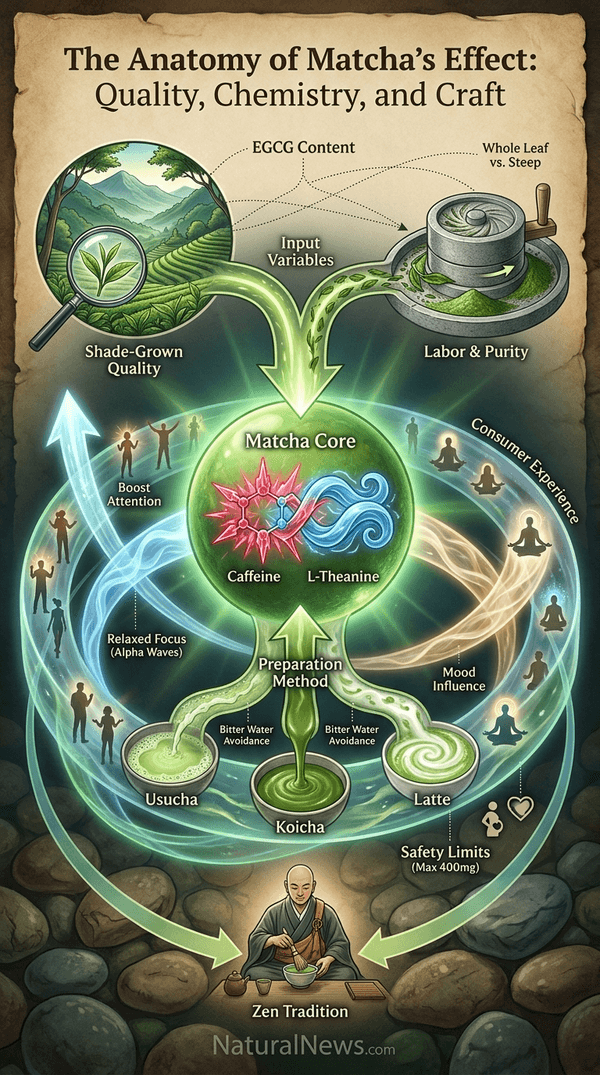
The article stated that matcha is made by whisking finely milled whole tea leaves into water, so consumers ingest caffeine, L-theanine and polyphenols including EGCG. According to Miyashita, matcha can provide more EGCG than steeped green tea because the whole leaf is consumed, though amounts vary by product, serving size, and brewing method.
The report stated that a 2025 review found modest benefits for certain attention tasks and mood from L-theanine combined with caffeine, but it noted variable responses and that much evidence comes from isolated compounds rather than matcha itself. The article described caffeine as blocking adenosine, a chemical that signals sleepiness, while L-theanine may influence brain signaling and alpha brain waves associated with relaxed attention.
Genrich's article stated that the caffeine-L-theanine combination is central to matcha's reported effects. According to the report, those effects are not uniform across consumers and depend on factors including the amount consumed and the product's composition.
From Shaded Leaf to Powder
The article reported that matcha leaves are shade-grown before harvest, steamed to limit oxidation, stripped of stems and veins, and ground into powder. It stated that traditional granite stone mills produce about 40 grams of matcha an hour, a slow and labor-intensive process that helps explain the higher cost.
According to Miyashita, color and scent can offer clues to freshness: dull green color may indicate decline, and fresh matcha should smell grassy and sometimes seaweed-like. The report advised skepticism toward origin claims and the term "ceremonial grade," which it stated is not universally regulated and does not guarantee purity, flavor, freshness, or nutritional superiority.
The article stated that buyers should ask about growing location, harvest date, processing, and testing for contaminants including heavy metals and pesticide residues. According to the report, such questions help consumers assess product quality beyond marketing labels.
Caffeine Content and Serving Size
The article cited a 2020 review reporting about 19 to 44 milligrams of caffeine per gram of matcha, meaning a 2-gram drink would contain roughly 38 to 89 milligrams depending on the powder. It stated that most healthy adults can consume up to 400 milligrams of caffeine daily from all sources, while pregnant people should keep intake below 200 milligrams.
According to the report, people with anxiety, sleep problems, heart rhythm conditions, or medication use should check with a healthcare provider about intake. Miyashita told The Epoch Times that people sensitive to caffeine should start with a quarter or half teaspoon.
The article stated that serving size and powder potency determine how much caffeine a cup delivers. According to Genrich's report, consumers should account for matcha when tallying daily caffeine from all sources.
Preparation Methods
The article stated that water at about 160 to 170 F is recommended, and that excessively hot water can intensify bitterness and mask sweet and savory notes. It described usucha, or thin matcha, as about 2 grams of powder whisked with about 2 ounces of hot water in a W pattern until smooth and lightly foamy.
It described koicha, or thick matcha, as about 4 grams of powder slowly mixed with about 1 ounce of hot water rather than whisked into foam. For a latte, the report recommended starting with 2 grams of matcha, sifting if clumpy, whisking with a splash of warm water until smooth, then adding warm or cold milk.
Miyashita told The Epoch Times that mixing the powder with a little warm water first and then adding milk helps achieve a smoother result. According to the article, these techniques affect texture and flavor as well as the final caffeine concentration per serving.
Conclusion
The article stated that matcha does not have to replace coffee or become another daily health task. It concluded that with a powder the drinker enjoys and a few simple preparation steps, matcha can serve as a satisfying ritual and a moment to pause.
The report stated that quality, caffeine sensitivity, and technique are factors consumers should consider when preparing the drink. According to Genrich's article, these variables shape both the experience and the effects of matcha.
Reference
- Matcha Is a Healthy Alternative to Coffee—But Quality and Preparation Matter. https://www.theepochtimes.com/health/matcha-promises-calm-focus-but-quality-and-preparation-matter-6095203
Explainer Infographic








Please contact us for more information.


