


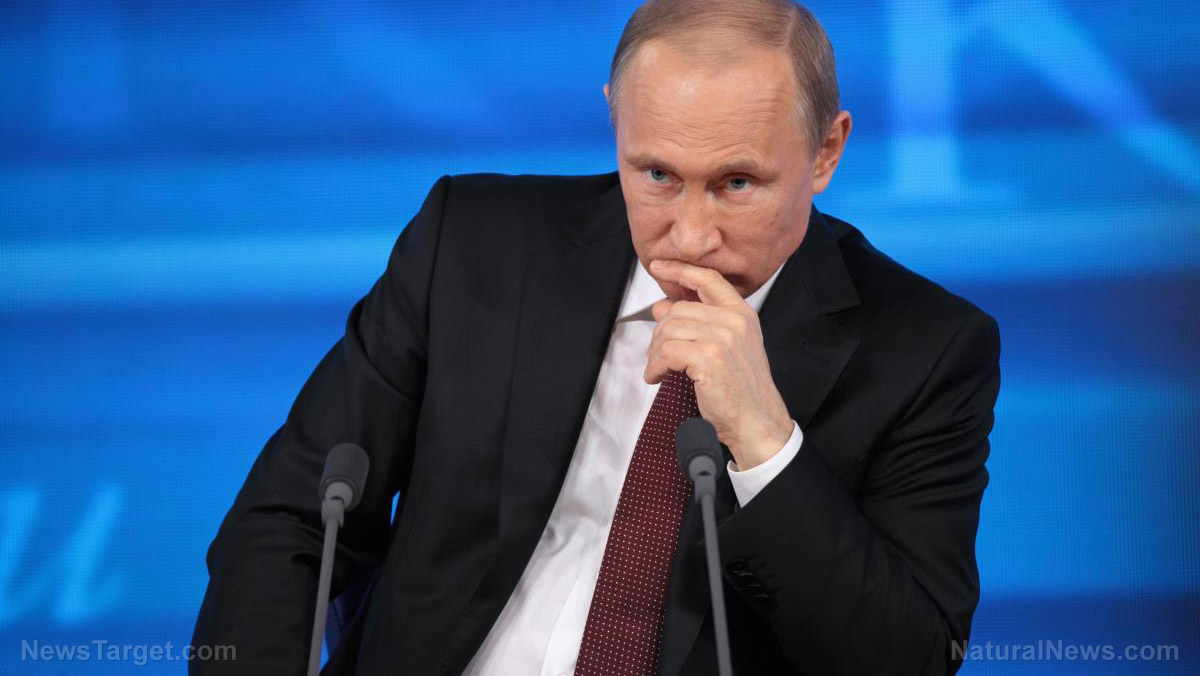
- Delegations from 48 African countries, including 22 leaders, attended the third Russia-Africa Summit in Moscow.
- Russian officials accused Western nations, singling out France, of pressuring African leaders to stay away.
- President Vladimir Putin pitched Russia as a better partner than the West, which he accused of trapping Africa in debt.
- Putin said Russia-Africa trade topped $27 billion last year and called for it to at least double.
- Burundian President and African Union Chair Evariste Ndayishimiye said Africa wants local industry, not just raw material exports.
When President Vladimir Putin welcomed delegations from 48 African countries to the third Russia-Africa Summit this week, the attendance numbers alone told a story Western powers would rather not read. Despite what Moscow describes as lobbying by France and other Western nations to keep African leaders away, 22 leaders made the trip to Moscow for the October 28-29 gathering in a clear signal that the continent is tired of being told whom it can do business with.
Russian officials say Western governments have spent years trying to block closer Russia-Africa ties, but those efforts may be backfiring. By Moscow’s account, African partners aren’t buying what the West is selling.
Western pressure fails to keep African leaders away
Russian Deputy Permanent Representative to the UN Anna Yevstigneeva told Sputnik that unfriendly nations have long sought to hinder Russia-Africa relations, but that this isn’t an isolated effort targeting just the summit, and that Africans know it. When Western powers make such demands, she said, “our friends usually make it clear that they have the right to choose their own partners.”
The message appears to have landed. Foreign Ministry spokeswoman Maria Zakharova accused the West of pressuring leaders to stay home, yet the turnout suggests that pressure had limited effect. In September, Russian Foreign Minister Sergey Lavrov singled out France, claiming President Emmanuel Macron would use an Africa trip to talk leaders out of attending. If that was the plan, plenty of them came anyway.
Putin pitches grain and trade as an alternative to Western debt
During the opening forum, Putin made his pitch explicit: Russia offers partnership while the West still thinks in colonial terms. He accused Western countries of wielding sanctions, tariffs, and interference to cling to their influence, including predatory loans aimed at dragging African nations back into what he called “debt bondage.” Servicing those debts, he argued, drains money that should go toward development.
Putin told leaders that Africa is fast becoming a major player in global economics and politics, but warned that a multipolar world is meeting pushback from those “accustomed to thinking in terms of their colonial past and to enriching themselves fabulously.”
Russia’s offer includes grain, fertilizer, energy projects, and technological cooperation. Putin said Russia has shipped 13 million tons of farm products to the continent so far this year, and that more than 40 African nations now receive Russian grain and fertilizer.
Trade surges as sanctions fail to slow economic ties
If Western sanctions were meant to isolate Moscow from Africa, the numbers tell a different story. According to Putin, two-way trade topped $27 billion last year, up from $18 billion in 2022, and he wants it at least doubled to more than $50 billion soon.
Putin insisted that Russian companies invest in local processing and jobs rather than engaging in what he called “predatory, neocolonial exploitation.” He said more than 30 energy projects are underway across 16 countries, and Russia’s Rosatom signed a nuclear energy memorandum with Togo’s Energy Ministry. Rosatom chief Aleksey Likhachev said the deal could include floating nuclear plants to power the West African nation.
African leaders want to process their own resources
Burundian President Evariste Ndayishimiye, who serves as African Union chair, made clear the continent wants more than just raw material deals. “We do not want to remain merely exporters of natural resources and then import finished goods,” he said, urging partners to invest in processing at home, share technology and train African workers.
Burkina Faso’s prime minister, Rimtalba Jean Emmanuel Ouedraogo, offered a pointed comparison, telling Russia’s RT television that cooperation with Moscow is transparent and “completely different from what we had with imperialist France.”
The summit was set to adopt a Russia-Africa partnership action plan for 2027-2029 as it wrapped up Thursday. For now, the message from Moscow is clear: the West can keep trying to isolate Russia, but Africa has other ideas—and the more the West leans on sanctions and pressure, the more attractive Moscow's offer looks.
Sources for this article include:






Please contact us for more information.


