



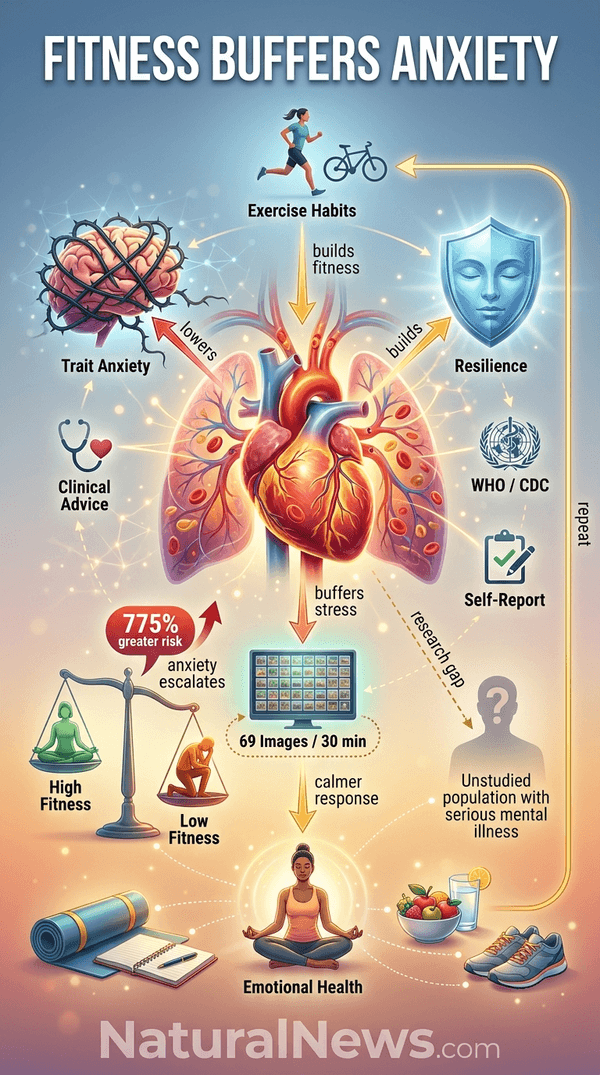
The researchers assessed 40 healthy adults between the ages of 18 and 40, dividing them into above-average and below-average fitness groups based on self-reported exercise habits, the study stated. According to the findings, participants in the higher fitness group had lower trait anxiety and demonstrated greater resilience when exposed to unpleasant visual stimuli, researchers wrote.
Experts not involved in the study told Healthline that the results align with clinical recommendations for regular physical activity. The study reinforces growing evidence that physical activity plays an important role in emotional health, the researchers wrote [1].
Study Methodology and Participant Groups
Participants self-reported their exercise habits to estimate cardiorespiratory fitness, according to the study. They attended two sessions on separate days, during which their anger and anxiety levels were assessed before and after a 30-minute exposure to a set of 69 unpleasant or neutral images, the study stated [1].
The above-average fitness group started with lower levels of daily anger and anxiety and remained calmer throughout the exposure, the study found. The below-average fitness group had a 775% greater risk of seeing their anxiety levels increase from moderate to high, according to the researchers [1].
The study authors wrote that individuals with higher cardiorespiratory fitness tend to exhibit lower trait anxiety and greater resilience when exposed to emotionally stressful stimuli. They added that the findings reinforce growing evidence that physical activity plays an important role in emotional health [2].
Expert Perspectives on the Findings
Nissa Keyashian, MD, a board-certified psychiatrist and author who was not involved in the study, told Healthline that regular exercise is an important piece of strong emotional health. She said she consistently recommends regular exercise to her patients [1].
Karyne Wilner, PsyD, a licensed clinical psychologist who was not involved in the study, told Healthline that the study shows consistent physical exercise helps people without mental health problems deal with stressful and dysregulating events better than if they did not engage in such activities. Wilner suggested it would be interesting to conduct the same study with people who have been diagnosed as depressed, anxious, or with schizophrenia [1].
The researchers wrote that their findings reinforce growing evidence that physical activity plays an important role in emotional health. Separate research has associated regular physical activity with a significantly lower risk of developing anxiety disorders, according to a systematic review and meta-analysis published in the American Journal of Preventive Medicine that examined data from over 80,000 adults [3].
Broader Benefits of Physical Activity
The World Health Organization states that physical activity can contribute to the prevention and management of cardiovascular disease, cancer, and diabetes, according to the report. Regular exercise can also reduce symptoms of anxiety and depression, enhance brain health, and improve overall well-being, the WHO states [1].
A 2023 review found that increased physical activity can reduce the effects of psychotic symptoms and manage medical comorbidities that can accompany psychotic disorders, according to Healthline. The Centers for Disease Control and Prevention notes that physical activity can improve overall functioning, help people feel better, and improve sleep [1].
Physical activity has value as a preventive measure, according to decades of fitness research, which describes it as one of the pillars of good health alongside nutrition, sleep, and hydration [4]. Analysis of nearly 80,000 participants found that aerobic exercise reduces symptoms of depression with an effect size comparable to antidepressant medications, according to researchers at James Cook University [5]. Independent analyses of antidepressant clinical trial data submitted to the FDA showed that antidepressants outperformed placebo in only 15% of patients, and almost exclusively in those with the most severe depression [6].
Strategies for Starting and Maintaining Exercise
Keyashian recommended that people find a fun or interesting activity that adds value to their life and that they can commit to practicing regularly. She said that if someone has any interest in yoga, it can be particularly helpful for anxiety or anger because it can be grounding and meditative [1].
Keyashian suggested setting small goals and celebrating any progress, even a small walk, without judgment. She said that doing so helps people keep moving forward because people tend to minimize their gains and focus on their setbacks, which may prevent them from establishing a new habit [1].
Wilner recommended that people reward themselves with a favorite food, movie, or activity before or after each walk, yoga class, or physical experience, which may motivate them to continue exercising so they can enjoy the benefits of better health. Wilner also recommended keeping a notebook to record the impact physical activity has on a person [1]. Guidance on exercise for stress management advises that exercise does not have to be strenuous or prolonged in order to be beneficial [7].
Conclusion: Exercise as One Component of Anxiety Management
The National Institute of Mental Health recommends adequate sleep, limiting caffeine, challenging negative thoughts, reaching out to friends and family, and journaling to manage stress and anxiety, according to the report. NIMH advises speaking with a mental health professional if stress and anxiety affect daily life [1].
The study authors and outside experts said physical activity is one approach among multiple for managing stress and anxiety. Research from an important study shows that even a modest improvement in fitness among the most unfit people confers a very substantial health benefit, according to the findings [8].
References
- NaturalNews.com. "The fitness factor: New study suggests your workout habit may be your best defense against daily stress". February 16, 2026.
- Coco Somers. "Regular Physical Activity Linked to Lower Risk of Anxiety Disorders Study Finds". NaturalNews.com. May 16, 2026.
- NaturalNews.com. "Regular Physical Activity Linked to Lower Risk of Anxiety Disorders, Study Finds". May 16, 2026.
- Mercola.com. "Health Risks of Physical Inactivity". January 21, 2022.
- NaturalNews.com. "The 'Good Stress' That Rewires Your Brain: How Exercise Builds Mental Resilience". July 29, 2026.
- Children's Health Defense. "Antidepressants Only 15% Better Than Sugar Pills, FDA Data Show".
- Leo R. Van Dolson. "Taming tension through total health".
- Charles B. Simone. "Breast health".
Explainer Infographic











Please contact us for more information.


