


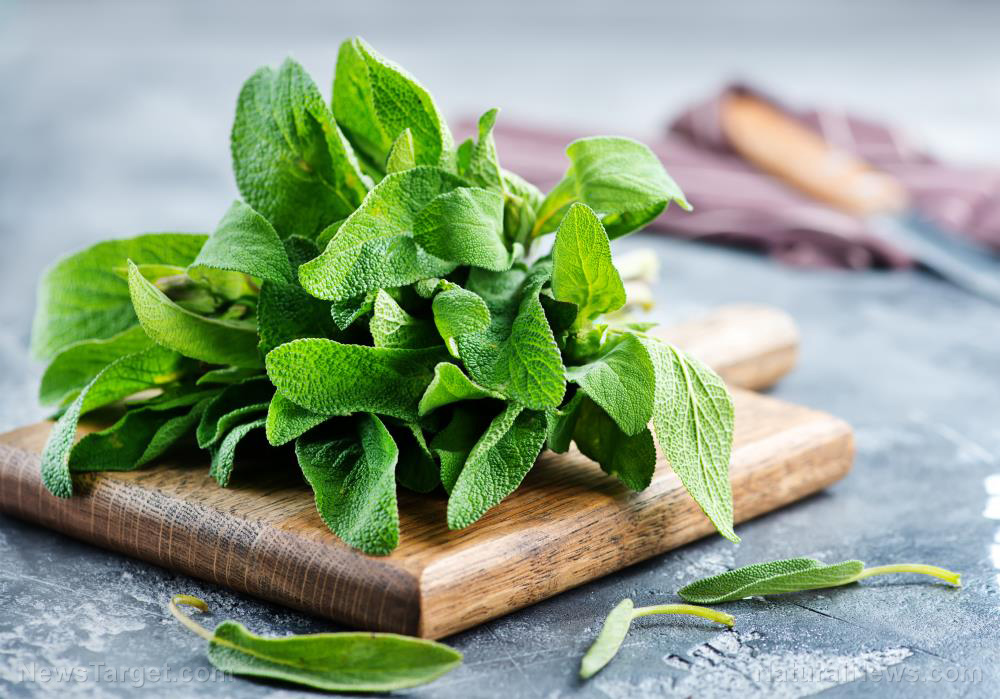
- Sage (salvia officinalis) is a perennial, evergreen shrub from the mint family, known for its aromatic, silvery-green leaves and small blue or purple flowers. It has been used in traditional medicine for over 2,000 years, with origins tracing back to ancient Greece and Rome.
- Its essential oil, known for its potent properties, is extracted from its leaves using steam distillation. This process involves heating the leaves to release their aromatic compounds and condensing them into a concentrated oil.
- Sage offers numerous health benefits, including antioxidant, anti-inflammatory, neuroprotective, digestive aid and immune-boosting properties. It also supports women's health and respiratory health and can alleviate menopausal symptoms.
- Sage is widely available in various forms such as dried leaves, essential oils and supplements. It can be consumed as teas, capsules or tinctures, with typical daily doses ranging from two to four grams of dried leaves or two to three ml of essential oil.
- Historically, sage was highly valued for treating ailments and was used in religious ceremonies. Today, it continues to be recognized for its therapeutic properties and is a valuable asset in natural health and wellness.
Sage (Salvia officinalis) is a revered herb with a rich history and a plethora of benefits for human health and wellness. Known for its distinctive aroma and versatile applications, sage has been a cornerstone of traditional medicine for centuries.
It is a perennial, evergreen shrub belonging to the mint family. Native to the Mediterranean region, it is known for its fragrant, silvery-green leaves and small, blue or purple flowers. The word "sage" is derived from the Latin word "salvere," meaning "to be saved," a testament to its long-standing reputation as a healing plant.
History and extraction
Sage has been used for medicinal purposes for over 2,000 years, with its origins traced back to the ancient Greeks and Romans. The herb was highly valued for its ability to treat a variety of ailments, from digestive issues to skin conditions. In medieval Europe, sage was considered a sacred herb, often used in religious ceremonies and rituals.
Today, sage is primarily extracted from its leaves, which can be harvested throughout the year. The essential oil, known for its potent properties, is obtained through steam distillation. This process involves heating the leaves to release their aromatic compounds, which are then captured and condensed into a concentrated oil.
Biological benefits in human health
Sage is renowned for its numerous biological benefits, making it a valuable asset in natural health and wellness. The herb is rich in antioxidants, flavonoids and phenolic compounds, which contribute to its therapeutic properties.
- Antioxidant properties: Sage contains potent antioxidants that help protect the body against free radicals, reducing the risk of oxidative stress and cellular damage. This can potentially slow down the aging process and reduce the risk of chronic diseases.
- Anti-inflammatory effects: Sage's anti-inflammatory properties can help alleviate symptoms of inflammatory conditions, such as arthritis and asthma. The herb's ability to reduce inflammation may also contribute to improved cardiovascular health. Its anti-inflammatory properties also makes it an excellent choice for skin conditions, such as acne, eczema and dermatitis.
- Neuroprotective effects: Sage has been shown to have neuroprotective properties, which can help improve cognitive function and memory. Research suggests that sage may be particularly beneficial for individuals with age-related cognitive decline.
- Digestive health: Sage has long been used to aid digestion, thanks to its carminative properties. The herb can help alleviate symptoms of indigestion, bloating and gas.
- Immune support: The antimicrobial properties of sage can help support the immune system, making it a valuable ally during cold and flu season.
- Women's health: Sage has been used to alleviate menopausal symptoms, such as hot flashes and night sweats. Its ability to balance hormones may contribute to improved menopausal health.
- Respiratory health: Its expectorant properties can help relieve symptoms of respiratory conditions, including bronchitis and sinusitis.
Availability and dosage
Sage is widely available in various forms, including dried leaves, essential oils and supplements. It can be found in health food stores, herbal markets and online retailers.
As a supplement, sage is available in capsules, tinctures and teas. The recommended dosage can vary depending on the form and intended use. For general health benefits, a typical dose is two to four grams of dried sage leaves or two to three ml of sage essential oil per day. It is always advisable to consult with a healthcare professional before starting any new supplement regimen.
This story is not medical advice and is not intended to treat or cure any disease. Always consult with a qualified naturopathic physician for personalized advice about your specific health situation or concern.
Watch this video to learn more about the health benefits and uses of sage.
This video is from the Holistic Herbalist channel on Brighteon.com.
Sources include:










Please contact us for more information.


