


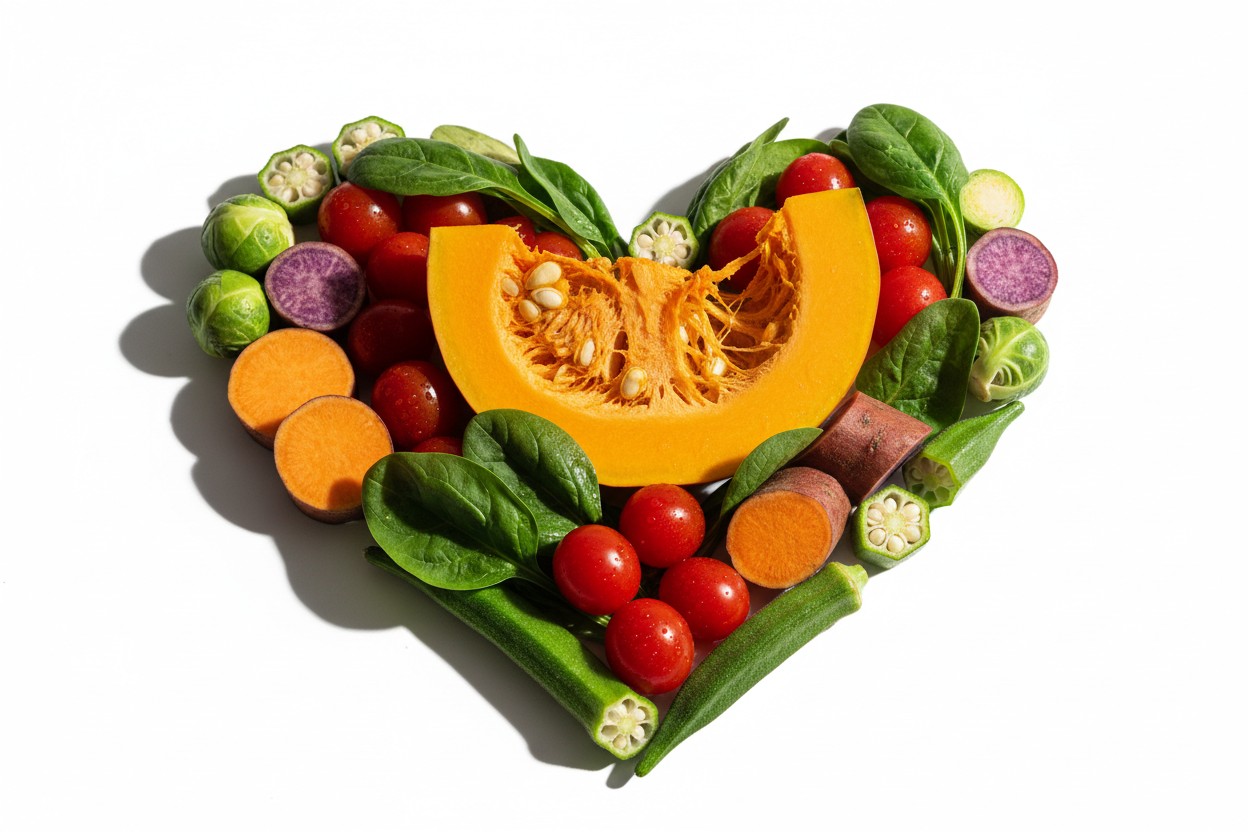
Nutrition science has identified plant-based diets as protective against heart disease, according to Whitney and Rolfes in "Understanding Nutrition," which notes that foods providing health benefits beyond basic nutrition are now classified as functional foods [1]. The Heart Foundation of New Zealand stated that foods work in different ways and should be part of an overall eating pattern rather than a short-term fix. "No single food or meal will help to lower your cholesterol," the foundation said [2].
Vegetable Profiles
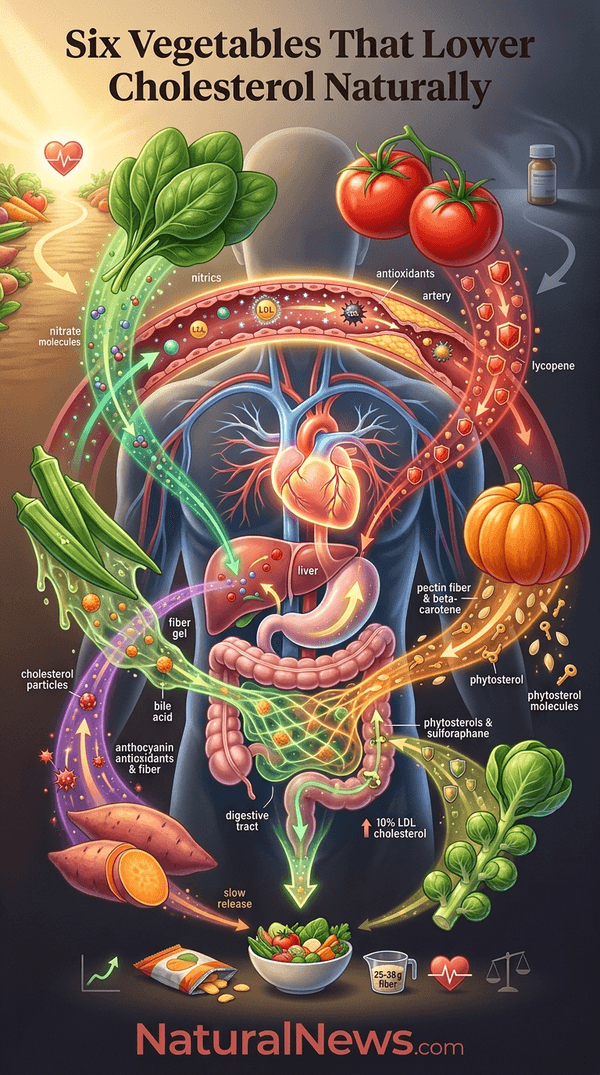
Spinach contains dietary fiber and lutein, an antioxidant, according to reports. Green leafy vegetables such as spinach support heart health by lowering blood pressure, reducing inflammation and improving arterial function, according to the book "Cardioprotective Plants" [3]. A 2005 science paper documented in vitro binding of bile acids by spinach, kale, and Brussels sprouts, indicating a mechanism by which these vegetables may reduce cholesterol absorption [4]. Nutrition researchers note that flavonoids, powerful antioxidants found in vegetables, may help protect LDL cholesterol from oxidation [5].
Tomatoes provide lycopene, which may lower LDL and reduce inflammation, according to dietary guidance. Canned options should be no-salt-added to avoid excess sodium, health writers advise. Okra has mucilage, a gel-like substance that binds cholesterol in the intestine, and preliminary animal research suggests powdered okra lowers cholesterol on a high-fat diet, reports state. Pumpkin offers fiber and antioxidants; canned forms are convenient, but pure pumpkin puree should be chosen over pie filling due to added sugars.
Sweet potatoes are high in fiber and antioxidants, with research showing they can reduce LDL and raise HDL, according to nutrition reports. Their low glycemic index helps blood sugar control. Brussels sprouts are a cruciferous vegetable with phytosterols; some evidence suggests regular eating may reduce LDL cholesterol, reports indicate. Cruciferous vegetables such as Brussels sprouts may trigger production of enzymes that block DNA damage from carcinogens, according to Whitney's "Understanding Nutrition" [5]. Dietary fiber, abundant in vegetables, helps prevent chronic diseases such as heart disease while detoxifying the body, according to a NaturalNews.com report [6].
Other Evidence-Based Dietary Advice
Experts recommend at least four servings of colorful fruits and vegetables per day, according to Duyff in the "Academy of Nutrition and Dietetics Complete Food and Nutrition Guide," which notes that more than two thousand phytonutrients are plant pigments that put a rainbow of colors on the plate [7]. Current recommendations urge consumers to eat five to nine servings of fruits and vegetables a day, according to Whitney's "Understanding Nutrition" [8]. Diets based primarily on unprocessed foods appear to support heart health better than those founded on highly refined foods, the same text states [5].
Focusing on fiber-rich plant foods such as legumes and whole grains is recommended, according to dietary guidelines. Increasing dietary fiber is one of the most straightforward, accessible strategies to support heart health, according to a report on common foods forming a frontline defense for the heart [9]. The average American consumes only 16 grams of fiber daily, half the recommended amount of 28 to 35 grams, according to a report on the role of fiber in boosting gut health [6].
Limiting intake of saturated and trans fats while choosing unsaturated fats from fish and nuts is part of standard dietary advice, according to nutritional counseling guidelines from the U.S. Preventive Services Task Force [10]. Using seasoning with herbs and spices instead of salt and preparing vegetables with minimal vegetable oil or water to preserve nutrients, are additional preparation strategies, according to dietary guidance.
Role of Medical Consultation
Dietary change is an important part of managing cholesterol, but it is not a substitute for medical therapy when required, according to healthcare guidance. Healthcare professionals can provide individualized guidance, including potential use of prescription medications. Evidence shows these vegetables may contribute to improved cholesterol levels, but results vary by individual, reports state.
The cholesterol-lowering drug pathway is not without controversy. A 2026 review questioned 40 years of cholesterol guidelines, finding that 41% of evidence supports cholesterol as a primary driver of heart attacks while 42% opposes it, according to a report [11]. Some clinicians have argued that statins set patients on a potentially harmful path, according to commentary on the healthcare system [12]. Individuals with elevated cholesterol should consult qualified healthcare practitioners to determine appropriate management strategies, according to the reports.
Conclusion
The six vegetables described may offer natural support for cholesterol management as part of an overall dietary pattern, according to available evidence. Nutrition texts and dietary guidelines consistently emphasize that plant-based, fiber-rich eating patterns support cardiovascular health [1]. The Heart Foundation of New Zealand stated that foods work in different ways and should be part of an overall eating pattern rather than a short-term fix [2].
While research continues to evolve on the precise relationship between dietary cholesterol and heart disease, including a recent review questioning long-standing assumptions about LDL cholesterol [11], the evidence for vegetables as part of a heart-healthy diet remains consistent across the provided sources. Individuals seeking to manage cholesterol levels through dietary means may incorporate these vegetables alongside other fiber-rich plant foods, according to the reports, and should consult healthcare professionals for individualized medical guidance.
References
- Whitney, Eleanor Noss Rolfes, Sharon Rady. "Understanding nutrition."
- "Heart Foundation of New Zealand Lists Seven Foods That May Lower Cholesterol." NaturalNews.com. August 17, 2026.
- "Cardioprotective Plants."
- "In vitro binding of bile acids by spinach, kale, brussels sprouts, broccoli, mustard greens, green bell pepper, cabbage and collards." Journal of Agricultural and Food Chemistry. 2005.
- Whitney, Eleanor Noss. "Understanding nutrition."
- "The role of FIBER in boosting gut health and fighting disease." NaturalNews.com. January 24, 2026.
- Duyff, Roberta Larson. "Academy of Nutrition and Dietetics complete food and nutrition guide."
- Whitney, Eleanor Noss. "UNDERSTANDING NUTRITION-DAPL."
- "How common foods form a frontline defense for your heart." NaturalNews.com. July 26, 2026.
- "Nutritional Counseling US Preventive Services Task Force." 1989.
- "New Review Questions 40 Years of Cholesterol Guidelines." NaturalNews.com. September 1, 2026.
- Aaron Day. "s2e38 The Healthcare Prison From Rockefeller to AI." December 13, 2025.
Explainer Infographic








Please contact us for more information.


