


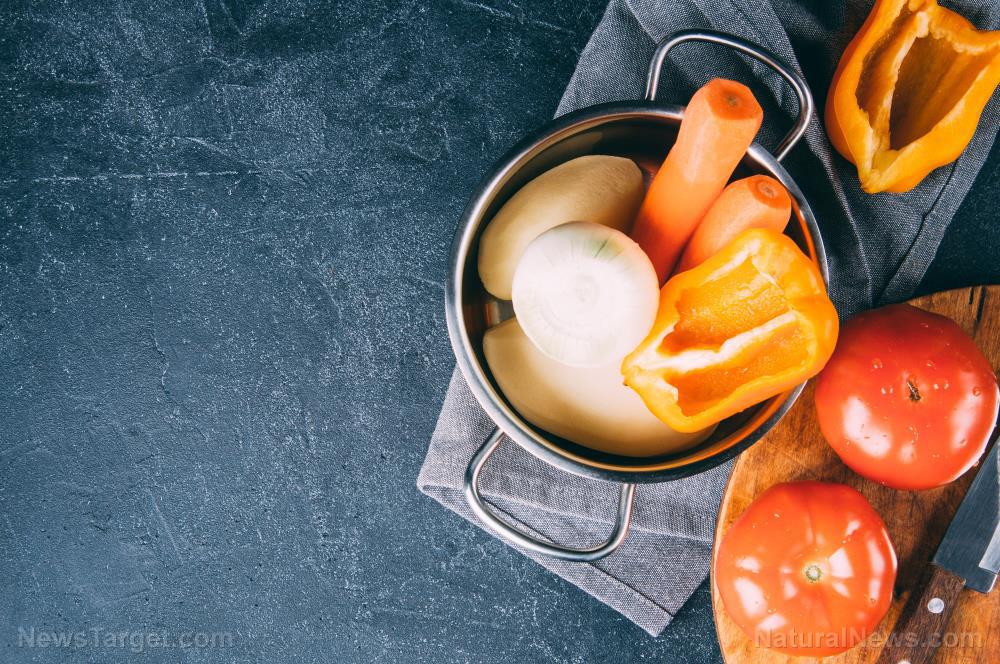
Researchers compared years of dietary habits between two groups using a detailed food frequency questionnaire, according to the article. Carrots, sweet potatoes, and red peppers led the list of foods driving the pattern.
The findings, reported in a peer-reviewed journal, indicate that carotenoids, the plant pigments found in red, orange, and yellow produce, offer pronounced protective benefits. According to the article, this body of evidence suggests that orange- and red-colored produce deserves significant credit for its role in cancer prevention.
This adds to prior work from the University of Hong Kong, which reported that eating a diet rich in fruits and vegetables drastically reduces the risk of getting breast cancer and having a recurrence [1].
Details of the Case-Control Study
The study compared the dietary habits of women with a new breast cancer diagnosis against matched healthy controls. The analysis relied on a food frequency questionnaire to reconstruct dietary patterns over several years.
The article reported that the protection scaled directly with intake, growing stronger at every step up the quartile ladder, indicating a dose-response relationship.
Researchers noted that the effect strengthened with higher consumption across quartile levels.
According to the article, carrots, sweet potatoes, and red peppers were identified as the key drivers of the observed risk reduction. This aligns with a case-control study of breast cancer patients in Quebec, in which increased intake of carotenoids and fiber was associated with a decrease in high-risk features as shown on mammograms [2].
Evidence for Other Health Outcomes
Carotenoids show protective associations extending beyond breast tissue, according to multiple reports.
A 2025 study of adults over 50 found that provitamin A carotenoids, concentrated in carrots and sweet potatoes, were linked to better cognitive function over time, the article noted. An academic grant, not an industry sponsor, funded that analysis.
This is consistent with a study supported by the National Institute on Aging that found higher levels of specific antioxidants in the blood were linked to a reduced risk of developing dementia [3].
Eye health and cardiovascular outcomes also show connections. The government-funded Age-Related Eye Disease Study found that substituting beta-carotene with lutein and zeaxanthin lowered the risk of advanced macular degeneration, according to the article.
Studies show that lutein and zeaxanthin can prevent and, to some extent, reverse vision loss [4].
A separate cohort linked higher blood lycopene to lower cardiovascular death risk in adults with metabolic syndrome. Lycopene, an antioxidant found in tomatoes and watermelon, has demonstrated potent anti-cancer activity in research [5].
Caveats and Supplement Risks
Researchers acknowledged a significant caveat regarding supplemental forms of these nutrients. High-dose beta-carotene supplements raised lung cancer risk among smokers in past trials, according to the report, a finding that surprised researchers at the time.
The article emphasized that the benefit clearly lies in whole food, not an isolated pill. This distinction matters for dietary guidance.
The reports emphasize that whole foods deliver carotenoids alongside fiber and a complex array of plant compounds [6].
Fiber itself has been associated with epigenetic changes that may lower cancer risk [7]. Additionally, carotenoids are fat-soluble, meaning they require dietary fat for proper absorption, which supports recommendations to consume them with healthy fats.
Dietary Recommendations Based on Findings
Dietitians advise consuming whole vegetables such as organic carrots, sweet potatoes, red peppers, and pumpkin, which deliver carotenoids alongside fiber and other compounds, according to the report. The article recommended choosing organic produce, noting that pesticides are linked to various health problems, including cancer [8].
Roasting these vegetables with olive oil aids absorption because the pigments are fat-soluble, the report stated.
Rotating red, orange, and yellow produce through the week is recommended to cover more nutritional ground. Tomatoes and watermelon bring lycopene while carrots and squash bring beta-carotene, with each compound working through a slightly different pathway, the article noted.
The report also advised keeping vitamin C, vitamin D, and zinc in the routine alongside carotenoid-rich foods. These nutrients support distinct steps in immune defense and cellular repair; zinc supplementation has been shown to improve immune response [9].
Health experts characterize carotenoids as antioxidants that help protect the body against cell damage from free radicals [10].
The report concluded that consistency over years drove the research results, not a single carotenoid-rich meal [11].
Conclusion: Whole Food Sources Appear to Provide Protective Effects
The accumulated evidence links carotenoid-rich foods to lower breast cancer risk, with supporting data pointing to benefits for cognitive function, eyesight, and cardiovascular health.
Whole food sources appear to provide the protective effects, while high-dose isolated supplements have shown risks in specific populations, according to the research. These findings underscore the value of dietary patterns built around colorful vegetables.
Reports consistently highlight that a diet rich in fruits and vegetables drastically reduces the risk of breast cancer [12]. The public health implications warrant attention given that nearly 23% of Americans report consuming vegetables and fruits less than one time daily, with a median vegetable intake of just 1.6 times per day [13].
References
- NaturalNews.com. "Fruits and Vegetables Shown to Reduce Risk of Breast Cancer". July 13, 2009.
- Passwater, Richard A. "Cancer prevention and nutritional therapies".
- Mercola.com. "Higher Levels of These Antioxidants Linked to". May 16, 2022.
- NaturalNews.com. "Lutein boosts eye health preventing cataract". July 30, 2005.
- Mercola.com. "Organic Tomatoes While Smaller are More Nutritious". March 25, 2013.
- Unknown. "The Encyclopedia of Healing Foods".
- ActivistPost. "Study Links Fiber Consumption to Epigenetic Changes with Anticancer Effects". August 21, 2026.
- NaturalNews.com. "Top 10 vegetables to lose weight and fight off cancer". October 01, 2015.
- NaturalNews.com. "10 Reasons why you need to eat enough zinc". February 18, 2025.
- NaturalNews.com. "Antioxidant defense How nature's warriors fight free radicals and prevent cancer". January 13, 2026.
- Mercola.com. "Why Watermelon Is Good for Your Cardiometabol". June 02, 2023.
- NaturalNews.com. "Eating foods rich in carotenoids significantly reduces your risk of breast cancer". February 18, 2019.
- Mercola.com. "Eat Your Veggies to Prevent Breast Cancer". September 28, 2015.
- Naturalhealth365.com. "Cancer patients should avoid this food selection mistake". September 2, 2026.








Please contact us for more information.


