


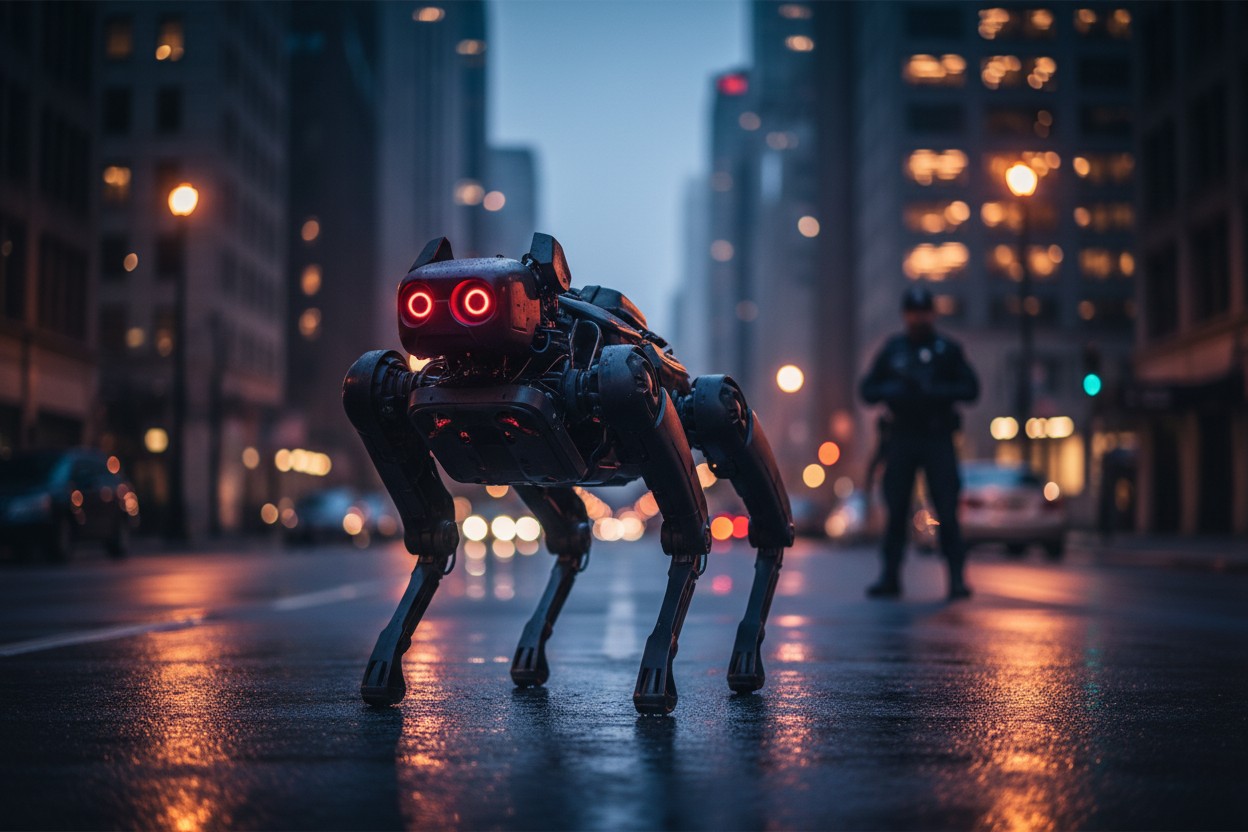
According to the notice, the acquisition is earmarked for Boston Dynamics' Spot robots, often referred to as "robot dogs." The formal solicitation is expected to be released on Sept. 4, according to the document. [1] [2]
The stated purpose of the acquisition is inspection, situational awareness and hazard assessment in areas dangerous to personnel, with officer safety cited as the primary rationale. The document does not specify immigration enforcement uses or operational scenarios for the robots. Officials said the equipment is not intended as attack dogs. [2]
Spot Robot Specifications and Capabilities
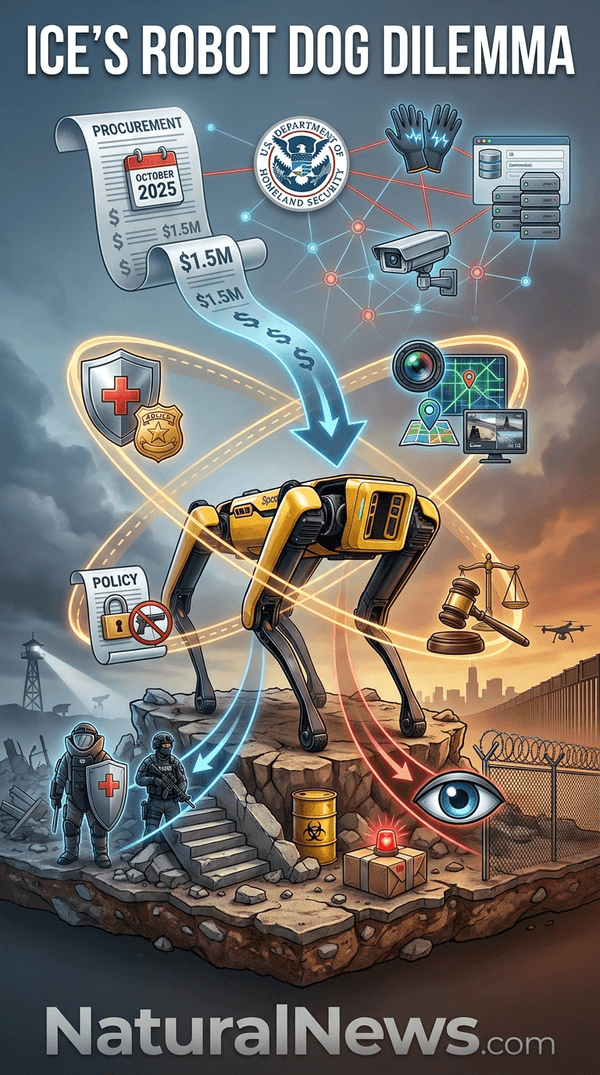
The Spot robot is a roughly 75-pound four-legged machine capable of navigating stairs and rough terrain. Boston Dynamics describes it as an easy-to-use tool that operates remotely and transmits real-time data via thermal imaging, cameras and mapping sensors. The unit carries a price tag of over $100,000, according to reports on its deployment in police and bomb squad units. [3] [3]
Boston Dynamics' policy states that it will not authorize or partner with those using robots as weapons or autonomous targeting systems. The company maintains restrictions on the use of its hardware in harmful applications. The DHS document does not disclose the number of units or the specific sensor configurations planned for the ICE deployment. [1]
Procurement Context and Broader Tech Expansion
The acquisition forecast is tentative and broad, with no public mention of enforcement duties. The purchase follows a pattern of expanded technology use by the agency, which has integrated facial recognition, license-plate readers and commercial data broker services into its operations. A recent $16.7 million no-bid contract for 6,000 pairs of electric-shock gloves drew scrutiny from lawmakers. [1]
The robot purchase aligns with an ongoing expansion of advanced technology within federal law enforcement. Proponents of the technology note its utility in hazardous material incidents and unstable structures, where it replaces human officers in high-risk scenarios. The notice indicates the machines would be used for inspection and hazard assessment rather than patrol or interdiction. [3]
Reactions and Oversight Concerns
Similar robots are already deployed by police, military, and emergency agencies to inspect unstable or dangerous terrain. Boston Dynamics' Spot is currently used in more than 60 American and Canadian bomb squads and SWAT teams, according to published reports. These units are used in hostage situations, bomb threats and hazardous environments to replace human officers in high-risk scenarios. [3] [3]
Democratic senators have called on ICE Acting Director David Venturella to cancel the electric-shock glove contract, urging the agency to invest in de-escalation tools instead. The senators' statement said: "We urge you to cancel this contract and invest instead in de-escalation tools, training and accountability." [1]
Questions persist about how robot dogs could be applied in immigration enforcement despite the document's silence on the matter. Civil liberties advocates have warned of militarization and surveillance concerns related to the deployment of robotic policing platforms. [1] [3]
Conclusion
The procurement remains tentative, with no further details on quantities or deployment plans disclosed in the notice. Boston Dynamics' misuse policy addresses potential weaponization concerns, though the agency has not commented beyond the notice. Future developments depend on the Sept. 4 solicitation, when the scope of the acquisition is expected to become clearer. [1]
Observers will watch for clarity on the robots' intended uses and whether the agency expands its deployment of robotics in border and interior enforcement operations. The specialized nature of the equipment and its stated purpose suggest a focus on officer safety rather than direct enforcement actions. [2]
References
- The New American. "ICE Moves to Buy Robot Quadrupeds As Federal Police State Expands". August 31, 2026.
- NewsNation. "ICE to spend $2M on robot dogs for immigration crackdown". August 31, 2026.
- Kevin Hughes. "Police Departments Deploy Weaponized Robot Dogs Amid Civil Liberties Concerns". NaturalNews.com. November 23, 2025.
Explainer Infographic







Please contact us for more information.


