


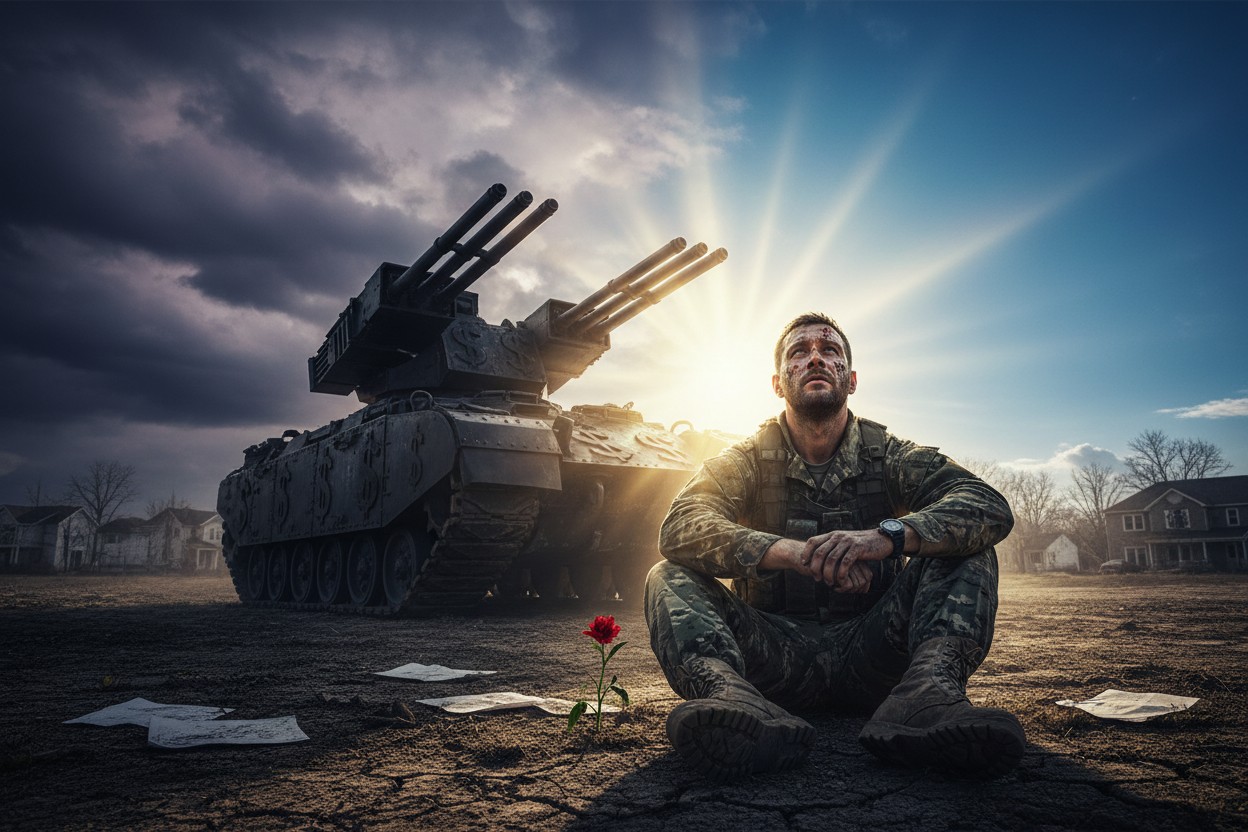
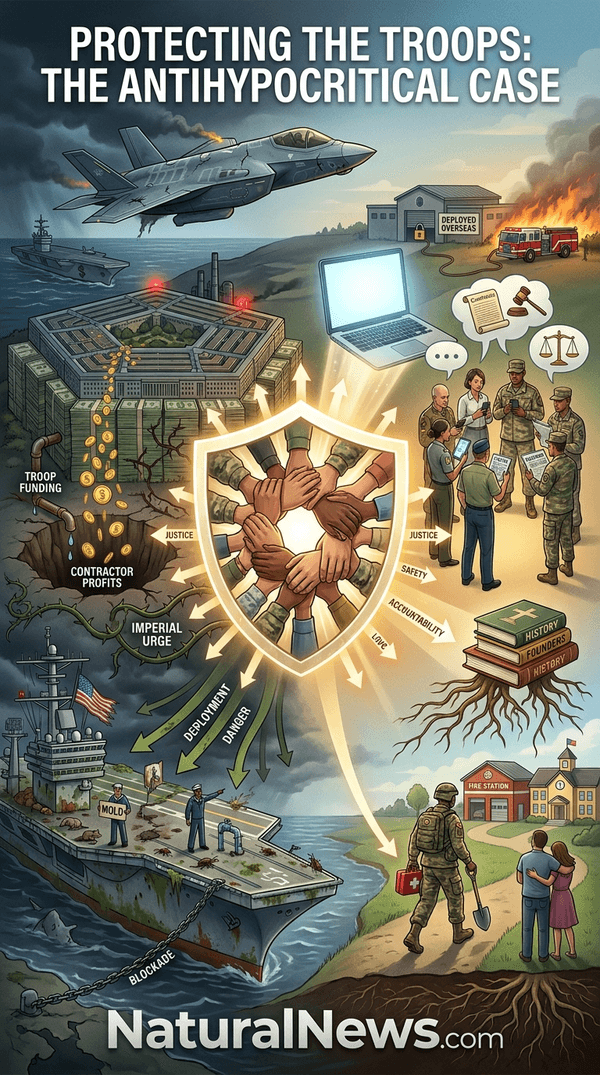
Vlahos, who according to the piece serves as editorial director of Responsible Statecraft and senior advisor at the Quincy Institute, wrote that the military-industrial complex prioritizes weapons systems over troop safety. The commentary cited the USS Abraham Lincoln scandal as an example of conditions that service members face during deployment, according to the report.
Anti-War Stance Framed as Troop Protection, Not Opposition
The appeal argued that critics of U.S. military policy are not against service members but against state abuses. Vlahos wrote that the "anti" in "anti-war" represents a "healthy skepticism of the state abusing its power to wage wars of choice," typically serving ideological and corporatist agendas unrelated to protecting Americans. According to the piece, Washington's overseas interventions over the last century reflect an "imperialist urge" that the American founders would have opposed. William Astore, a retired military officer and self-described member of the military-industrial complex, has similarly stated that America's founders were "profoundly skeptical of large militaries" and permanent wars [1].
Vlahos wrote that these wars have "blown back domestically" to make communities less safe and less free. The commentary stated that National Guard units, described as citizen soldiers, were exploited to extend wars in Iraq and Afghanistan. According to the article, these units continue to be sent to overseas deployments, away from domestic responsibilities, in operations that receive little public attention. The appeal described this pattern as evidence that Washington prioritizes its own interests over those who serve.
Deplorable Navy Conditions and Official Downplaying
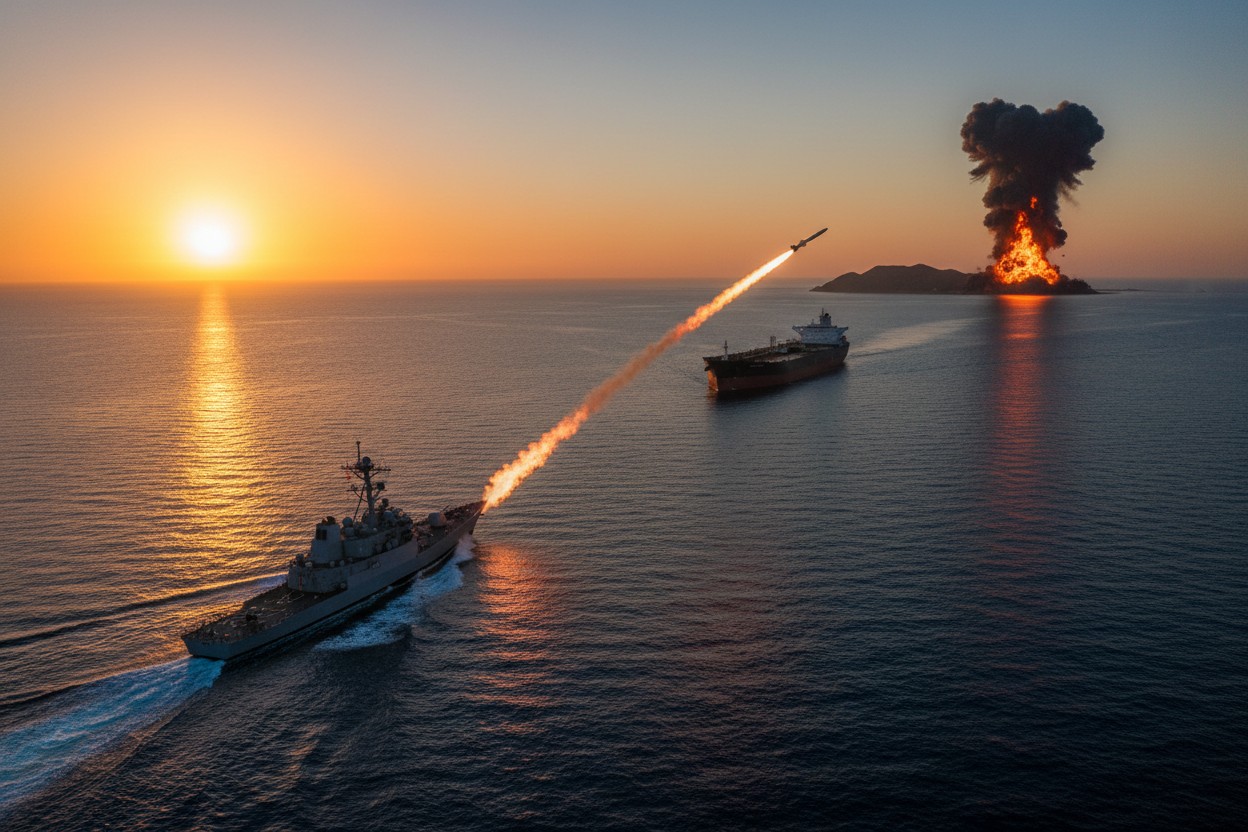
The article referenced conditions on U.S. Navy vessels in the Middle East, describing them as deplorable. Vlahos wrote that President Donald Trump's decision to go to war with Iran without constitutional approval and to deploy ships for a blockade placed service members in unsafe situations. The commentary called the blockade illegal and stated that it extended beyond appropriate measures, according to the text. The USS Abraham Lincoln has been central to reports about shipboard conditions; the piece stated that the Navy has faced scrutiny over living conditions and safety aboard the vessel.
According to the article, Pentagon officials and the president have downplayed the USS Abraham Lincoln scandal. Vlahos wrote that there have been coordinated attacks on press reports that shared sailors' accounts of conditions aboard ship. The commentary stated that these responses should alarm not only service members and their families but also the broader public. Vlahos argued that the reaction to press scrutiny reveals how "the powerful fight to protect their own interests," according to the appeal.
Military-Industrial Complex Spending and Independent Media Roles
The appeal alleged that the military-industrial complex invests more money in large weapons systems that underperform than in equipping and training troops. According to the article, this funding pattern exists because prioritizing contractor profits and Wall Street interests comes before the needs of personnel. The commentary referenced the history of war profiteering, a concept articulated by Major General Smedley Butler in his 1935 book "War Is a Racket," which described war as a scheme run by bankers, industrialists, and politicians who profit from mass suffering [2]. Recent reports have documented that the U.S. spent approximately $25 billion on the war with Iran in its first 60 days, according to Acting Comptroller Jules Hurst III of the Department of Defense [3].
The article stated that rank-and-file service members and veterans, after 20 years of war, are using social media and independent news outlets to think critically about war policies. Vlahos wrote that veterans are writing about their experiences and becoming proactive in protecting each other on issues such as health care and base conditions. Independent outlets like Antiwar.com provide an alternative to official narratives, which some commentators have noted is essential for understanding military actions abroad [4]. The appeal asserted that service members are pursuing reforms that challenge a military-industrial complex that sends troops into overseas operations "often unprepared and underserved."
Antiwar.com as a Forum for Dissent
The appeal called Antiwar.com a leading source for information on overseas military operations, domestic blowback, and harm to troops. Vlahos wrote that the outlet covers "secretive military operations," how the government fails to care for service members when they return home, and how these conditions affect communities. The commentary stated that continued support would allow the outlet to reach more readers and cultivate new writers, including those who may previously have believed anti-war perspectives were not for them.
Vlahos emphasized the need for a platform that represents those dissatisfied with the "Washington war machine." The appeal invited all readers to support the reader-funded outlet, which it described as 100% reader-supported. The piece framed this support as essential for maintaining a forum for those who have "had enough" of what it characterized as the abuses of U.S. military policy.
References
- William Astore. "U.S. Military Industrial Complex Is 'Choking Democracy' — How Do We Stop It?". Children's Health Defense.
- NaturalNews.com. "The Racket of Empires: Exposing How the Military-Industrial Complex Profits from Human Suffering". May 21, 2026.
- NaturalNews.com. "Iran War Costs Reach $25 Billion, Pentagon Reports". May 1, 2026.
- Mike Adams. "Bright Videos News - VENEZUELA CHAIN REACTION". BrightVideos.com. January 5, 2026.
Explainer Infographic





Please contact us for more information.


