


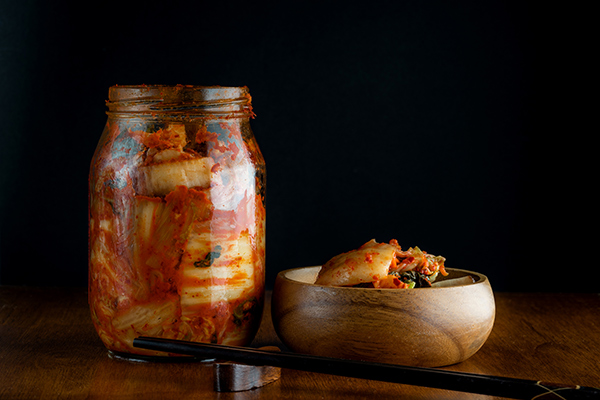
- Regularly consuming fermented foods like yogurt and kimchi is linked to improved heart health markers, including higher "good" HDL cholesterol and better blood sugar control.
- Research analyzing diets found that people who ate more foods with medium or high levels of live microbes had a healthier metabolic profile, including better cholesterol, lower weight and improved insulin levels.
- The benefit is thought to come from short-chain fatty acids produced during fermentation, which may help regulate metabolism and reduce inflammation.
- The observed link is correlational; more research is needed to prove that these foods directly cause the health improvements.
- Adding a daily serving of a high live-microbe food (e.g., plain yogurt, kefir) is a low-risk, accessible strategy with potential benefits for cardiovascular and metabolic health.
In a world where cardiovascular disease remains the leading global killer, a simple dietary shift—embracing foods teeming with live bacteria—is emerging as a potential new frontier in preventive health. Researchers from the University of Newcastle in Australia have unveiled findings suggesting that regularly consuming fermented foods like yogurt, kefir and kimchi could significantly improve key heart health markers, including boosting "good" cholesterol and controlling blood sugar. This research adds a compelling chapter to the growing scientific narrative that the microbes living in our food may hold profound power over the microbes in our gut and by extension, our long-term well-being.
A microbial inventory: Categorizing the living foods we eat
The Australian team created a database to estimate the live microbe content in over 200 common foods. They categorized items based on their estimated colony-forming units. The vast majority of foods fell into a low microbe category. A modest 21 items were classified as moderately high. Strikingly, only two everyday foods, yogurt and sour cream, consistently earned a high live microbe rating. This categorization provided the foundation for a study involving 58 healthy adults, whose diets were analyzed against health measurements.
To grasp the findings, one must understand cholesterol metabolism. Cholesterol travels via lipoproteins. Low-density lipoprotein (LDL) is "bad" cholesterol; high levels can build up in artery walls, raising the risk of heart attack and stroke. High-density lipoprotein (HDL) is "good" cholesterol; it scavenges excess cholesterol and transports it to the liver for disposal. The new research suggests dietary live microbes may help tip this balance favorably.
The findings: A link to better metabolic health
The analysis revealed a consistent pattern. Individuals who more frequently consumed foods from the medium and high live microbe categories tended to have a healthier metabolic profile. They exhibited higher levels of beneficial HDL cholesterol, better blood sugar control (lower fasting insulin), lower body weight, a smaller waist circumference and a lower body mass index. These associations held even after accounting for factors like gender and calorie intake. While the study cannot prove causation, the correlation points to a promising protective relationship.
The proposed mechanism: Fermentation's beneficial byproducts
How might yogurt or kimchi influence cholesterol and metabolism? The researchers hypothesize the fermentation process is key. When live bacteria ferment food, they produce compounds called short-chain fatty acids in the colon. These are potent signaling molecules. Scientific evidence indicates short-chain fatty acids can help regulate metabolism, reduce systemic inflammation and improve blood vessel function. They may influence how the body processes fats and sugars, providing a plausible biological pathway linking live microbe consumption to improved HDL and glucose control.
The consumption of fermented foods is a practice as old as human civilization. Cultures worldwide used fermentation to preserve vegetables, milk and grains. Modern science is now decoding why these staples might have been so sustaining. Previous research has documented specific benefits: kefir improves lactose digestion; kimchi is recognized for probiotic benefits. The new Australian study builds on this by examining the cumulative impact of live-microbe foods within a whole diet.
Cautions and the causation question
The researchers temper excitement with caution. The study was observational, capturing a snapshot in time. It cannot definitively state that eating more yogurt causes cholesterol to improve, as other lifestyle factors could be influential. The team calls for more rigorous research, including intervention studies and investigations that directly measure changes in gut bacteria and short-chain fatty acid production. Establishing a direct causal chain is the critical next step.
The Australian findings are not isolated. A separate 2024 study found that probiotic supplements significantly increased HDL levels in individuals with type 2 diabetes. Research into specific fermented foods, like kombucha, continues to yield insights. This converging evidence strengthens the case that the interaction between dietary microbes and our internal ecosystem is a major modulator of health, moving the concept beyond digestive comfort to cardiovascular and metabolic resilience.
A simple strategy in a complex health landscape
The public health implications are substantial. Cardiovascular disease is responsible for approximately one in three deaths worldwide. In this context, accessible dietary strategies are paramount. Incorporating a daily serving of a high live-microbe food—such as plain yogurt, kefir or fermented vegetables—represents a low-risk, high-potential-benefit dietary tweak. It is a strategy rooted in culinary tradition, now increasingly validated by science.
"Fermented foods are items processed by bacteria, yeasts or molds to create gradual chemical changes, as seen in examples like yogurt, sauerkraut and cheese," said BrightU.AI's Enoch. "They contain live enzymes that aid in digesting both themselves and other foods. These foods also help balance gut bacteria, retain vitamins well and have a naturally long shelf life."
The journey from ancient fermentation vats to modern laboratories underscores a timeless truth: the relationship between humans, our food and the microscopic world within us is deeply interconnected. While more research is needed, the message is clear. Nourishing the trillions of microbes in our gut with their living counterparts from our plates may be one of the simplest and most profound steps we can take to safeguard our hearts and metabolic health.
Watch this video about the book "Wild Fermentation: The Flavor, Nutrition, and Craft of Live-Culture Foods" by Sandor Ellix Katz.
This video is from the BrightLearn channel on Brighteon.com.
Sources include:








Please contact us for more information.


