


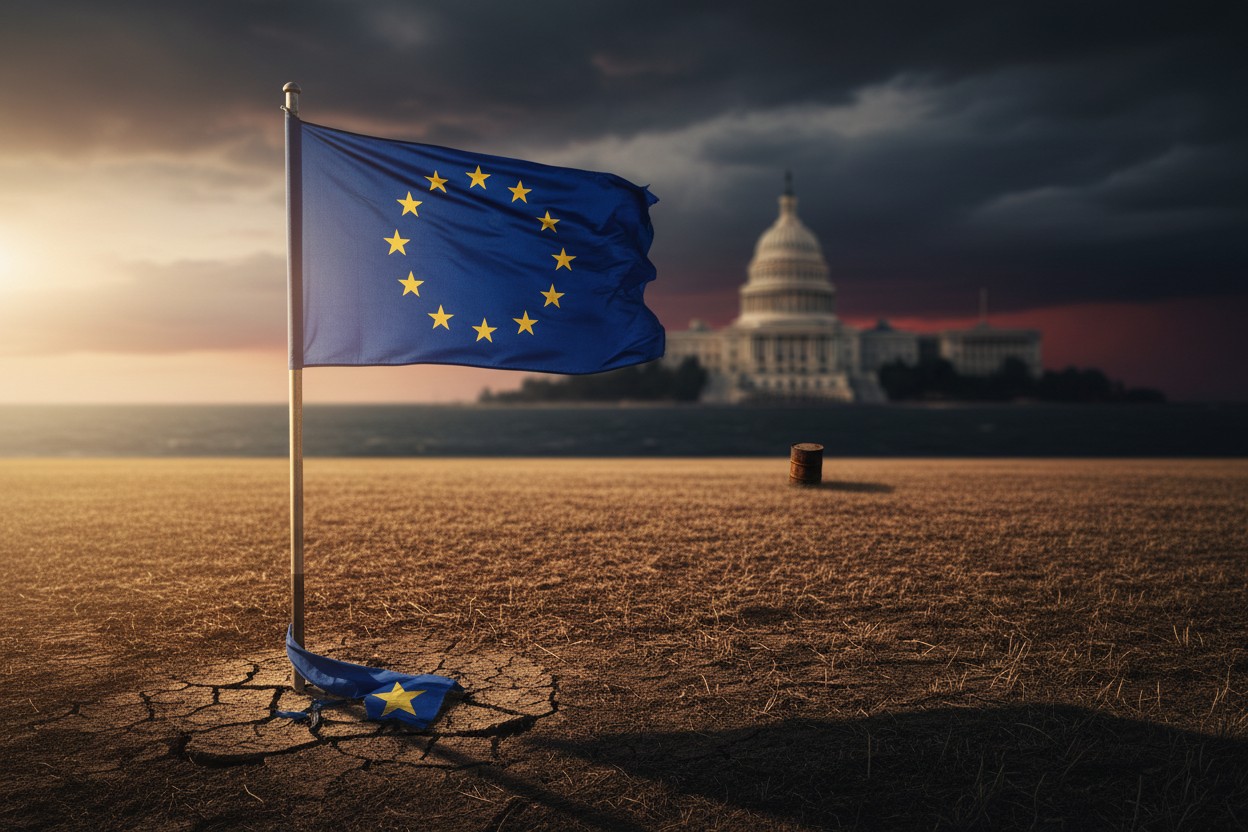
Key points:
- Belgium's Defense Minister Theo Francken declared the door "closed" on asset seizure.
- Sweden, Poland, Spain, and Netherlands attempted to revive confiscation plans.
- Russia holds $200 billion in Western assets within its borders for potential retaliation.
- Prime Minister Bart De Wever warns confiscation equals declaration of war.
- Euroclear threatens to sue EU if assets are forcibly seized.
- Ukraine faces €30 billion defense budget shortfall despite €90 billion EU loan.
- Kremlin calls any seizure "theft" and vows legal retaliation.
- Experts warn of global financial destabilization if Western assets are weaponized.
A dangerous line crossed
Belgian Defense Minister Theo Francken minced no words when addressing the renewed push from Baltic and Nordic states. "This is non-negotiable," he told VRT over the weekend. "That door is closed." Francken's blunt refusal reflects deeper anxieties within Brussels, where legal experts have warned that confiscating sovereign assets would shatter the post-World War II international financial order. Prime Minister Bart De Wever has argued that outright seizure crosses an unprecedented legal threshold, noting that "immobilized money, even during WWII, was never confiscated."
The Belgian position has isolated the four countries pushing for escalation. These nations operate under the assumption that Russia's frozen assets can be treated as spoils of war, ignoring that the conflict in Ukraine remains a proxy war, not a declared conflict between the EU and Russia. De Wever warned that seizing the funds would effectively constitute "a declaration of war against Russia," urging the EU to pursue negotiations instead. His stance resonates with growing sentiment across southern and western Europe, where war fatigue and economic strain have dampened enthusiasm for endless escalation.
The blowback calculus
Russia has already demonstrated its capacity for retaliation. Moscow has seized Euroclear's assets within its borders in response to sanctions, and a full confiscation of sovereign funds would trigger a cascade of countermeasures. The Kremlin holds approximately $200 billion in Western assets, including corporate holdings, real estate, and financial instruments. A legal battle in international courts would follow, potentially leaving Euroclear and Belgian taxpayers exposed to massive liabilities. Financial experts warn that if Russia reclaims assets through legal channels, the United States could default on Ukraine-related loans, accelerating the dollar's decline as the world's reserve currency.
The EU's hesitation exposes the fundamental danger of weaponizing finance. Once sovereign assets become bargaining chips in geopolitical disputes, the entire system of international trust collapses. Global investors are already recalibrating their exposure to European markets, recognizing that property rights now depend on political allegiance rather than legal protection. The four nations pushing for confiscation appear willing to sacrifice this stability for short-term military gains, gambling that Russia will not retaliate in ways that devastate European economies already struggling with energy prices, inflation, and industrial decline.
A fractured union
The internal divisions within the EU have become impossible to ignore. Sweden, Poland, Spain, and the Netherlands represent a hawkish faction that views asset seizure as necessary for Ukraine's survival. But Belgium, backed by economic realists across the continent, recognizes that confiscation would backfire spectacularly. The Baltic states have attempted to pressure Belgium into compliance, but Francken warned them against repeatedly putting his country "in a corner." "Our prime minister will stand firm," he said.
Ukraine President Volodymyr Zelensky has warned that delays weaken Ukraine's defenses, but his appeals have failed to overcome legal and economic realities. The EU ultimately agreed on a €90 billion loan financed through joint borrowing, a compromise that avoids outright seizure while still providing financial support. That loan faces its own hurdles, with final approval postponed until December. Meanwhile, Russia continues building new economic partnerships with China, India, and the Global South, creating an alternative financial system that bypasses Western dominance.
The battle over Russian assets reveals a deeper truth. The EU's attempt to weaponize international finance has isolated member states rather than strengthened them. In a fractured world of fractured economic alliances, Russia is succeeding precisely because it offers stability and legal predictability. The West's desperation to continue the Ukraine conflict at any cost has blinded it to the reality that financial warfare, like military warfare, produces consequences that cannot be controlled.
Sources include:



Please contact us for more information.


