


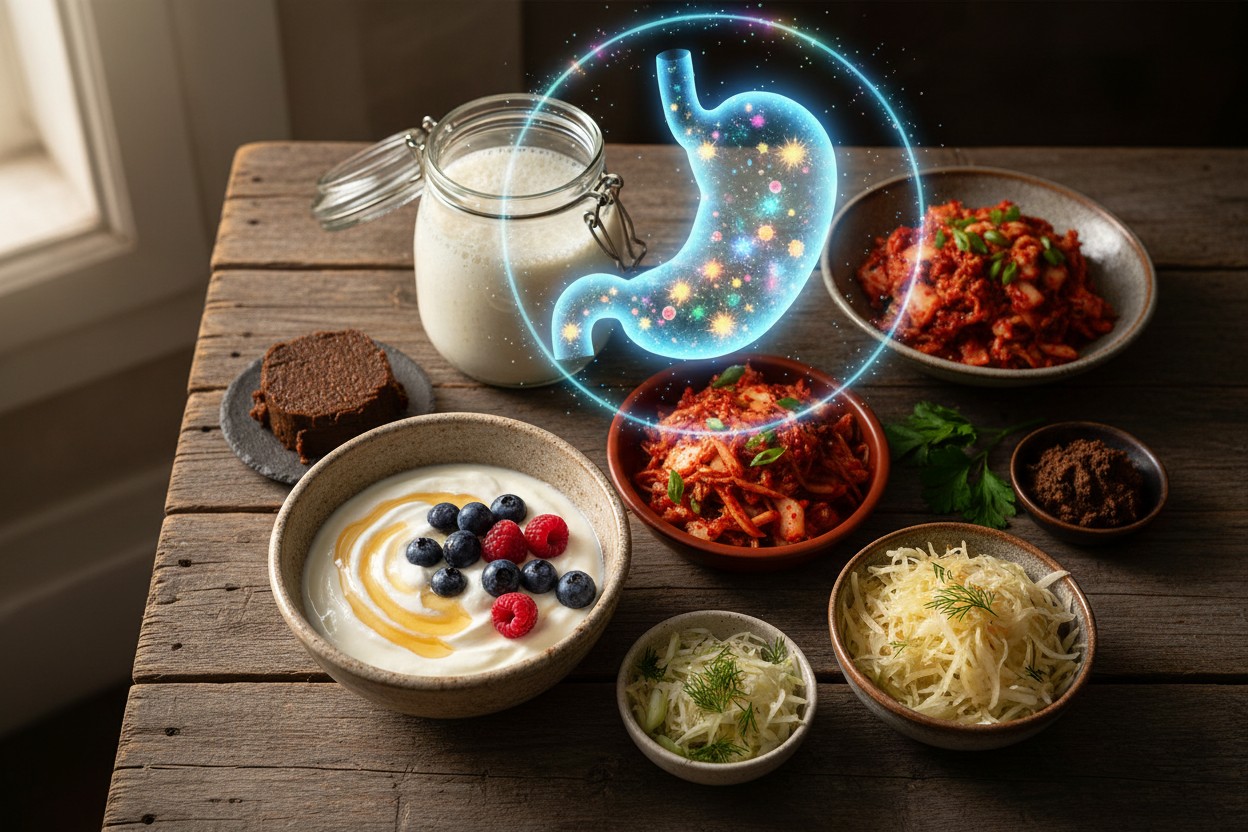
Researchers reported that sensitivity checks, which removed individual studies from the analysis one at a time, did not change the overall pattern of results. Fermented foods are increasingly cited for their influence on gut health and immune function, according to reports. The gut microbiome plays a significant role in overall health, and components of fermented foods may interact with immune cells. [2]
Review Methodology and Findings
The review pooled data from cohort studies spanning decades, comparing the highest and lowest consumers of fermented foods, the report stated. Specific foods such as fermented milks, cheese, and miso each exhibited statistically significant reductions in mortality risk. The consistency of these associations across various food types suggests a broad effect, according to the authors. The findings are published in Frontiers in Nutrition. [1]
The analysis focused on traditional fermented foods, including yogurt, kefir, kimchi, and fermented soybean products. Researchers noted that the gut houses a substantial share of the body's immune tissue, and daily food choices shape the immune system over time. [3] The review's conclusions support the position that dietary patterns, rather than single nutrients, may be central to disease prevention. These findings align with broader research on the microbiome and its link to immune resilience and chronic disease prevention. [4]
Randomized Trial Explores Immune Mechanisms
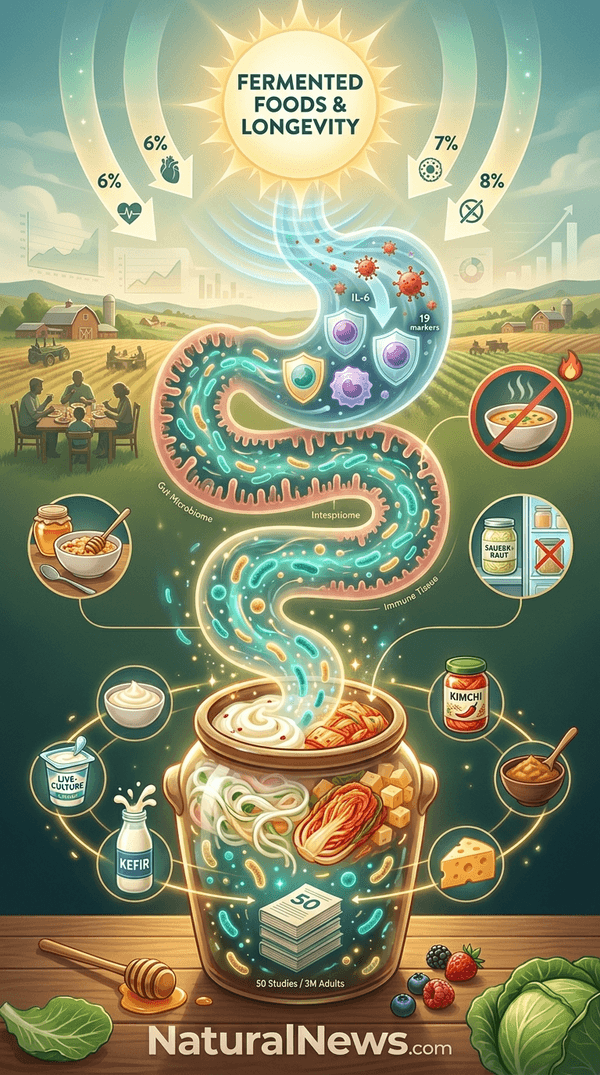
A separate 10-week randomized trial conducted at Stanford University assigned healthy adults to either a high-fiber diet or a diet rich in fermented foods. According to officials, the fermented food group showed a decrease in 19 inflammatory markers, including interleukin-6. The high-fiber group displayed no such changes over the same period. The trial's findings were published in the journal Cell. [1]
Gut microbial diversity increased in the fermented food group, a shift researchers consider meaningful for long-term immune resilience. The results suggest fermented foods influence immunity through changes in the gut microbiome, an effect not fully replicated by fiber alone. This supports the concept that the variety of microbes living in the gut, which can be rapidly altered by food, plays a key role in health. [5] Traditional diets, which naturally contain fermented foods, are linked to protective effects, according to nutrition reports. [3]
Practical Dietary Recommendations from the Report
The article recommends adding plain yogurt or kefir to breakfast, emphasizing live-culture organic varieties as a source of beneficial bacteria alongside protein. It advises avoiding added sugars by selecting plain over flavored products, using honey or berries for sweetness. Sauerkraut or kimchi from refrigerated sections are recommended for meals, as unpasteurized versions contain live cultures, whereas shelf-stable, vinegar-brined jars typically lack them. [1]
Miso can be stirred into soups, dressings, or marinades, but should not be boiled to preserve beneficial compounds. Fermented foods are among the few dietary levers backed by both large population data and controlled trial evidence. [1] The human gut hosts a wide variety of probiotics that help maintain balance in digestive and immune systems, and fermented beverages like kefir and kombucha are natural sources of these microorganisms.
Context: Gut Immunity and Daily Diet
The gut houses a substantial share of the body's immune tissue, and daily food choices shape that system for years afterward, according to the article. Fermented foods, packed with probiotics, are emerging as essential allies for gut health, with links to improved digestion and reduced inflammation. [6] The trillions of microorganisms residing in the digestive tract are not passive inhabitants but active directors of health, according to recent reports. [7]
The Immune Defense Summit, created by Jonathan Landsman, is an online resource that covers this connection between daily food choices and long-term immune resilience. Holistic healthcare providers highlight natural ways to improve immune function and prevent future health problems. The evidence suggests that incorporating fermented foods may support immune function. Poor gut health is associated with a higher risk of severe illness, and maintaining beneficial flora is a preventive measure. [8]
References
- NaturalNews.com. "Diet Rich in Fermented Foods Linked to Increased Gut Microbiome Diversity, Reduced Inflammation, Stanford Study Finds". May 25, 2026.
- Mercola.com. "Your Gut Can Help Fight Depression and High Blood Pressure". August 10, 2017.
- NaturalNews.com. "Fermented foods: Ancient tradition validated by modern science as key to gut health, immunity and mood". May 19, 2026.
- Zamzar. "The Immunity Fix Strengthen Your Immune System Fight Off Infections Reverse Chronic Disease and Live a".
- Mercola.com. "Flavorful Fermented Foods Have Healing Properties". July 06, 2020.
- NaturalNews.com. "The gut-heart connection: How fermented foods can boost health — and what to watch out for". April 20, 2026.
- NaturalNews.com. "Prebiotics and probiotics: The essential partnership for modern health". August 13, 2026.
- Mercola.com. "Probiotics to Help Combat COVID". March 06, 2021.
- NaturalNews.com. "The power of probiotics: How fermented drinks like kombucha and kefir boost gut health". August 08, 2026.
- NaturalNews.com. "Water Kefir: A Step-by-Step Guide to Making a Probiotic Beverage at Home". July 20, 2026.
Explainer Infographic








Please contact us for more information.


